
Прецизно направлявана дентална регенерация от д-р Виктор Петров
Във VIDENT Антверпен въвеждаме нов стандарт в биологичното заместване на зъби: изцяло дигитална, минимално инвазивна автотрансплантация, извършвана от реномирания дентален хирург д-р Виктор Петров.
Тази процедура предлага на пациентите естествена, жива и дълготрайна алтернатива на имплантите, задвижвана от авангардно дигитално планиране и биологично оптимизирано изпълнение.
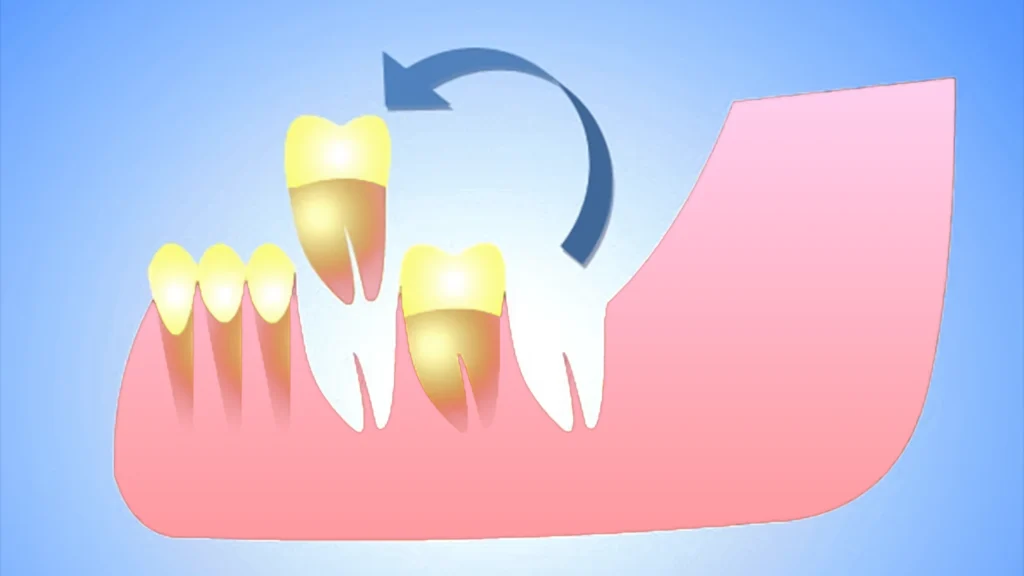
Естествен, жив зъб вместо изкуствен
За разлика от имплантите или протезите, автотрансплантацията използва ваш собствен зъб, обикновено мъдрец или премолар, за да замени липсващ или невъзстановим зъб.
Ключовите предимства включват:
• Запазване на естествения периодонтален лигамент
• Продължаващо ремоделиране на костта и венците
• По-добра дългосрочна проприоцепция и комфорт при дъвчене
• Отлична биологична интеграция
• Превъзходно запазване на обема на челюстната кост, особено при млади пациенти
Във VIDENT този биологичен потенциал е издигнат чрез 100% дигитален работен процес, осигуряващ прецизност, която надминава традиционните протоколи.
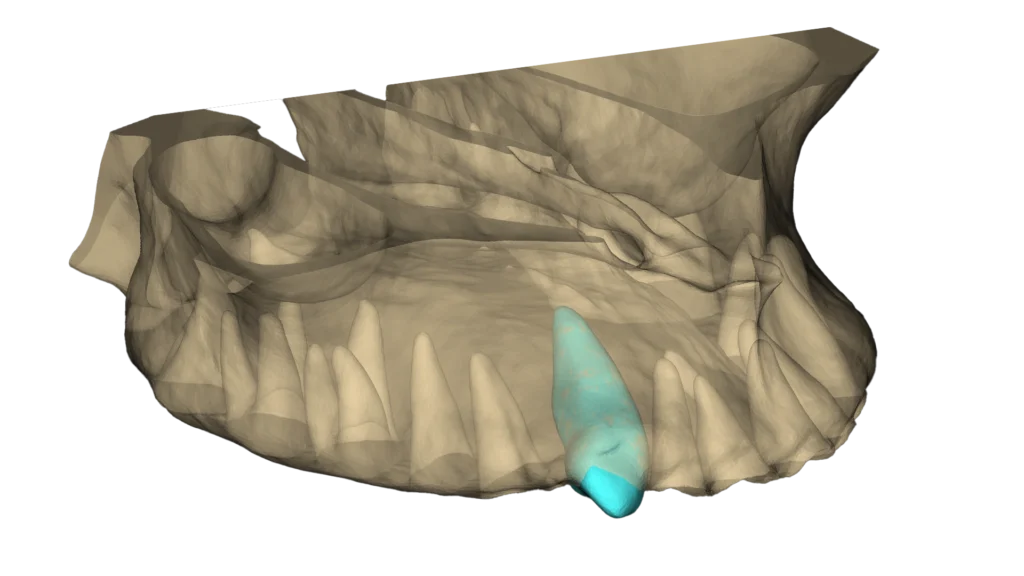
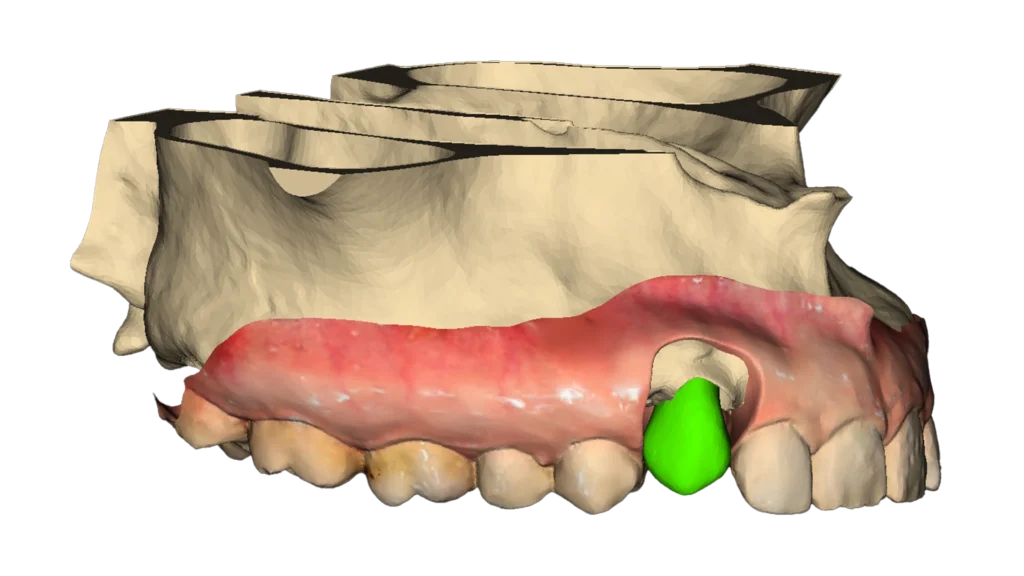
Д-р Виктор Петров е разработил високо контролиран дигитален протокол, който превръща автотрансплантацията в предвидима и минимално инвазивна процедура. Нашият процес включва:
Експертиза, която намалява риска и повишава успеха
Д-р Петров е известен със своя прецизен дигитален протокол за автотрансплантация, съчетаващ:
• Над десетилетие микрохирургичен опит
• Безкомпромисна прецизност в дигиталното планиране
• Обширно обучение в областта на периодонталната регенерация
• Минимално инвазивна хирургична философия
• Доказано високи нива на преживяемост и успех
Неговият педантичен работен процес минимизира увреждането на корените, намалява времето на стола и максимизира дългосрочната периодонтална стабилност.
Зъболекар, Имплантология, Орална хирургия, Цялостна орална рехабилитация
Специалност: Орална хирургия и имплантология
Опит: 12 години
Образование: Магистър (MSc) по имплантология, Магистър (MSc) по орална хирургия, множество сертификати по имплантология, костна аугментация, пародонтална хирургия.
Експертиза: Поставяне на зъбни импланти, цялостна рехабилитация на устната кухина с импланти, костни аугментации, регенерация на меките тъкани, лечение на гингивални рецесии, костни аугментации с помощта на автогенни костни блокове и частици, корони и мостове, дигитална дентална медицина, дизайн на усмивката (smile design).
Оставете вашите данни и нашият екип ще се свърже с вас, за да уговорим час.
Автотрансплантацията е идеална за пациенти, които:
• Имат подходящ донорен зъб, често мъдрец или премолар
• Предпочитат биологично решение пред имплантите
• Са млади и все още растящи, при които имплантите са противопоказани
• Нуждаят се от бързо заместване, което е едновременно функционално и естетично
• Желаят дългосрочно запазване на костта и естествено усещане при дъвчене
VIDENT извършва цялостна дигитална оценка за определяне на пригодността с изключителна точност.
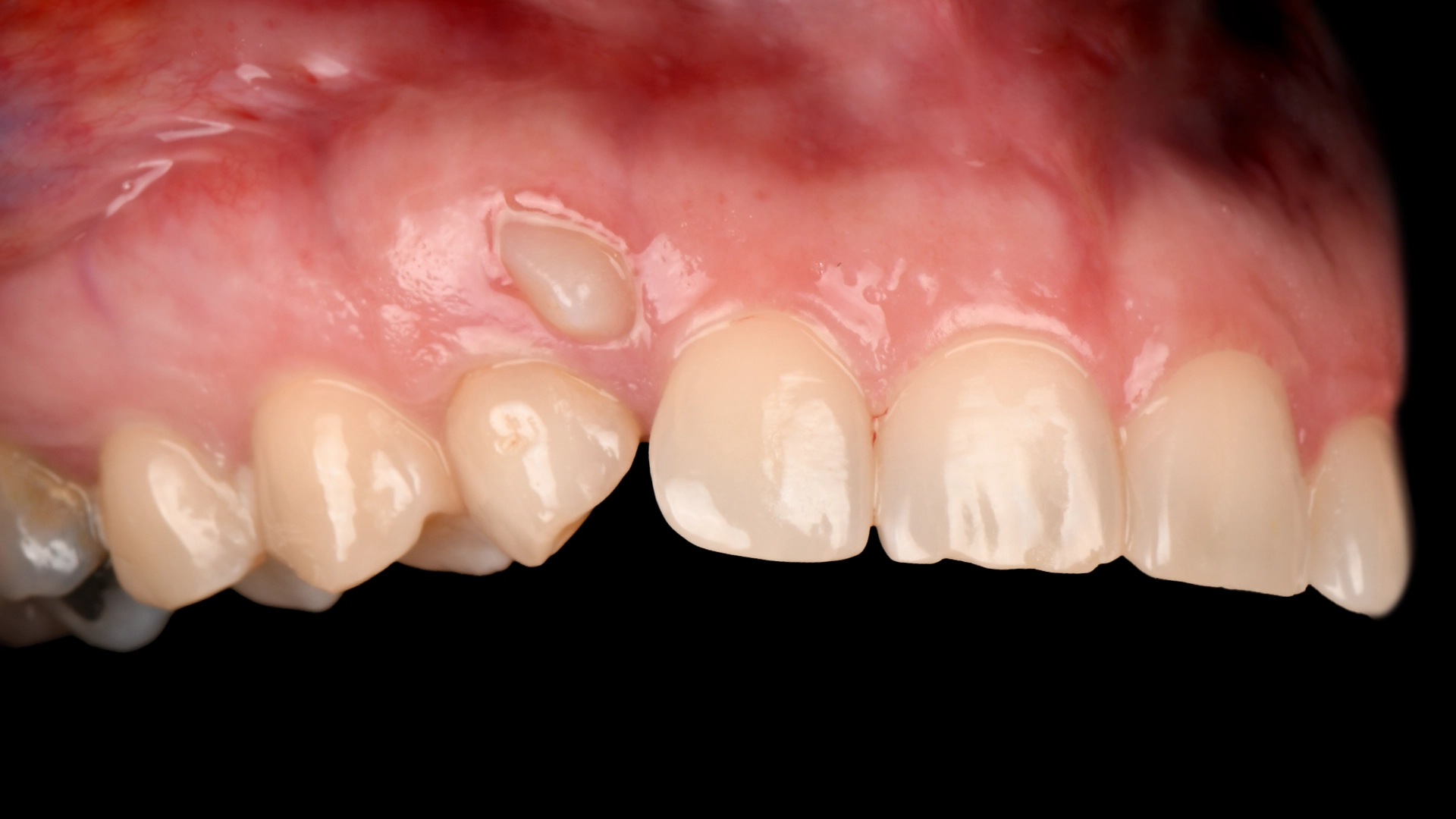
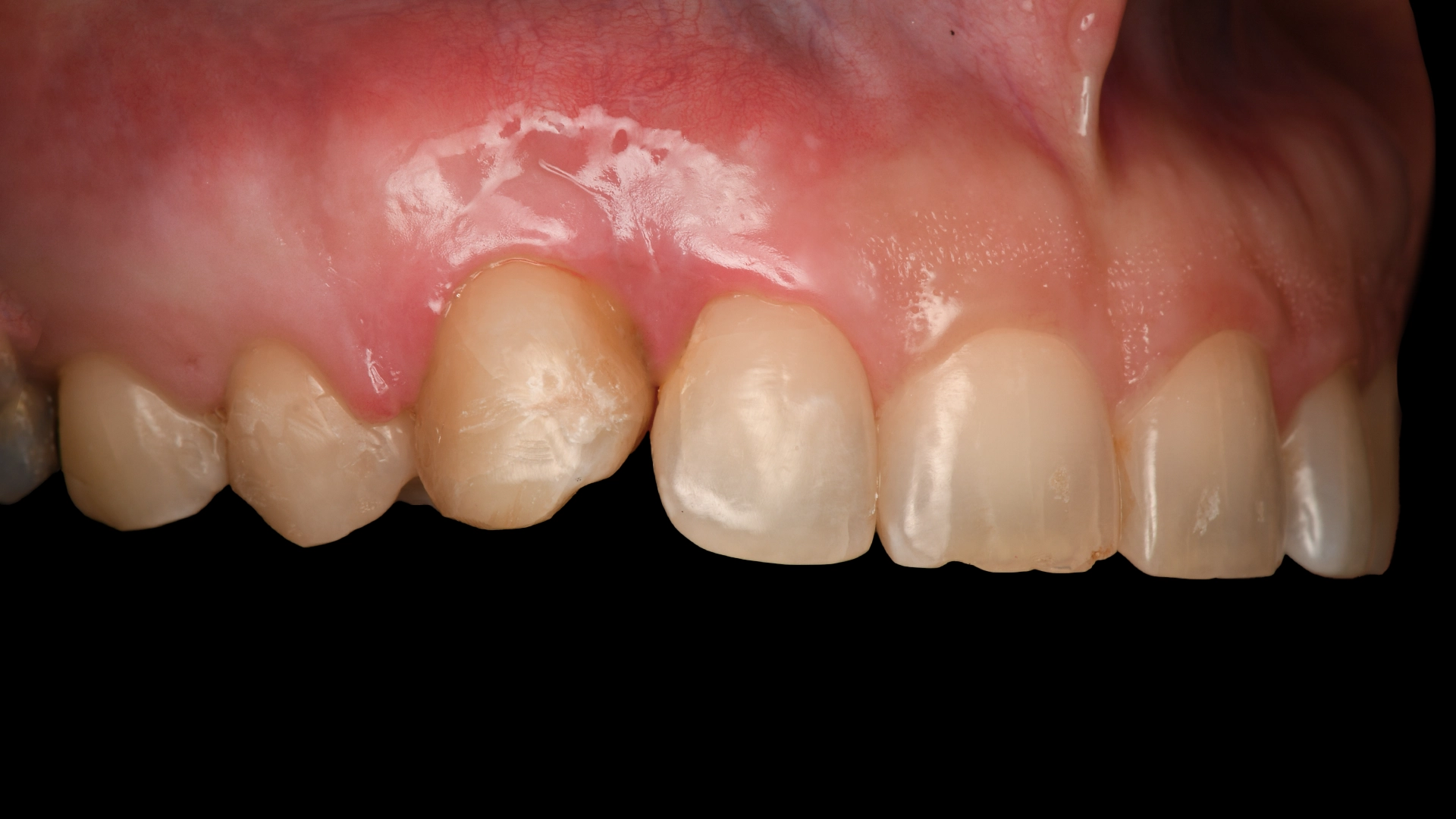
Това не е традиционна стоматология. Това е прецизно проектирана биологична регенерация.
Независимо дали заменяте изгубен зъб или избягвате имплант, автотрансплантацията може да бъде най-естественото дългосрочно решение.
VIDENT Антверпен ви кани на дигитална диагностична сесия, по време на която д-р Петров оценява вашата анатомия, донорния зъб и пригодността за лечение чрез нашата усъвършенствана дигитална екосистема.
Преоткрийте усмивката си, задвижвана от природата и усъвършенствана от дигиталната наука.
Автотрансплантацията на зъб е хирургична процедура, при която естествен зъб от една позиция в устата ви, обикновено мъдрец или премолар, се премества, за да замени липсващ или сериозно увреден зъб. За разлика от денталните импланти, трансплантираният зъб е жива биологична структура, която запазва периодонталния лигамент, позволявайки естествено ремоделиране на костта и сензорна обратна връзка.
Във VIDENT Антверпен тази процедура се извършва чрез изцяло дигитален работен процес от д-р Виктор Петров, което значително подобрява прецизността и предвидимостта.
Автотрансплантацията и денталните импланти служат за различни цели, но в подходящи случаи автотрансплантацията може да предложи уникални биологични предимства.
Тъй като трансплантираният зъб остава жива структура, той може да поддържа естествено ремоделиране на костта, функцията на периодонталния лигамент и чувствителността при дъвчене. Това я прави особено полезна за по-млади пациенти или хора с подходящи донорни зъби.
Денталните импланти остават отлична опция, когато няма наличен донорен зъб, но автотрансплантацията може да осигури по-естествено дългосрочно решение, когато условията позволяват.
Пациентът може да бъде добър кандидат, ако има:
• Подходящ донорен зъб, често мъдрец или премолар
• Липсващ или невъзстановим зъб, който изисква подмяна
• Здрава околна кост и тъкан на венците
• Добра орална хигиена и цялостно дентално здраве
Във VIDENT Антверпен дигиталната оценка чрез КЛКТ образна диагностика и интраорално сканиране позволява на д-р Виктор Петров да определи пригодността с висока точност.
Научната литература отчита нива на успех между 80% и 95%, когато процедурата е внимателно планирана и изпълнена.
Успехът зависи от няколко критични фактора, включително запазване на периодонталния лигамент, минимизиране на екстраоралното време, прецизна подготовка на алвеолата и правилна стабилизация.
Дигиталният работен процес, използван във VIDENT Антверпен, помага за оптимизиране на тези променливи и подобрява предвидимостта на процедурата.
Автотрансплантацията обикновено се извършва под локална анестезия и пациентите не чувстват болка по време на процедурата.
След операцията може да се появи лек отток или дискомфорт за няколко дни, подобно на други дентални хирургични процедури. Повечето пациенти се справят лесно с постоперативните симптоми чрез стандартни болкоуспокояващи медикаменти и правилни инструкции за последваща грижа.
Първоначалното заздравяване обикновено отнема една до две седмици, през които трансплантираният зъб е стабилизиран с временна шина.
Пълната биологична интеграция и ремоделирането на костта могат да отнемат няколко месеца. През това време се насрочват периодични контролни прегледи за мониторинг на заздравяването и осигуряване на оптимално периодонтално прикрепване.
Дигиталното планиране драстично повишава прецизността и намалява хирургичния риск.
Във VIDENT Антверпен КЛКТ образната диагностика и интраоралните сканирания се използват за създаване на 3D модел на донорния зъб и реципиентната зона. След това се използва 3D принтирана реплика на зъба за подготовка на алвеолата преди екстракцията.
Този подход минимизира екстраоралното време и защитава периодонталния лигамент, което е един от най-критичните фактори за дългосрочен успех.
Да. В много случаи мъдрецът може да функционира ефективно като заместващ зъб след трансплантация.
Ако формата и размерът на корена са съвместими с реципиентното място, трансплантираният зъб може да се интегрира с околната кост и да функционира по подобен начин на естествен зъб.
Подробен дигитален анализ във VIDENT Антверпен определя дали донорният зъб е подходящ за трансплантация.
При успех трансплантираният зъб може да функционира дълги години, а понякога и десетилетия.
Тъй като зъбът остава биологично активен и свързан с периодонталния лигамент, той може да се адаптира към околната кост и тъкан на венците с течение на времето.
Дългосрочният успех зависи от правилния подбор на случаите, хирургичната прецизност и добрата орална хигиена.

U kunt uw behandelingen bij VIDENT in termijnen betalen. Daartoe werken wij samen met onze partner: Cosmetic Finance Belgie
Cosmetic Finance Belgie is als intermediair gespecialiseerd in medische en/of cosmetische financieringen. Meer informatie vindt op www.cosmeticfinance.be U kunt ook meteen vrijblijvend een aanvraag indienen. Klik hier: (Advies: deeplink hanteren middels: https://cosmeticfinance.be/aanvraag-indienen/) Er wordt binnen 24 uur vrijblijvend contact met u opgenomen. Bedragen vanaf €5000,- komen in aanmerking om gefinancierd te worden.