
Predictable. Planned. Personalized.
Some patients are not simply missing a tooth — they are searching for certainty.
You may be wondering whether your case is too complex or whether long-term success is truly possible.
Hundreds of bone and soft tissue grafting cases have been guided toward durable, natural results — even when circumstances initially seemed uncertain.
In the end, every detail feels engineered, not improvised.
If you are here, you are not looking for promises.
You are looking for clarity, structure, and control — and that is exactly what this page provides.
Bone grafting is a precisely planned procedure that rebuilds or reinforces your jawbone so that an dental implants can integrate with long-term stability.
Think of it as engineering the support system behind your future smile — so the implant feels and functions like a natural tooth, not a compromise.
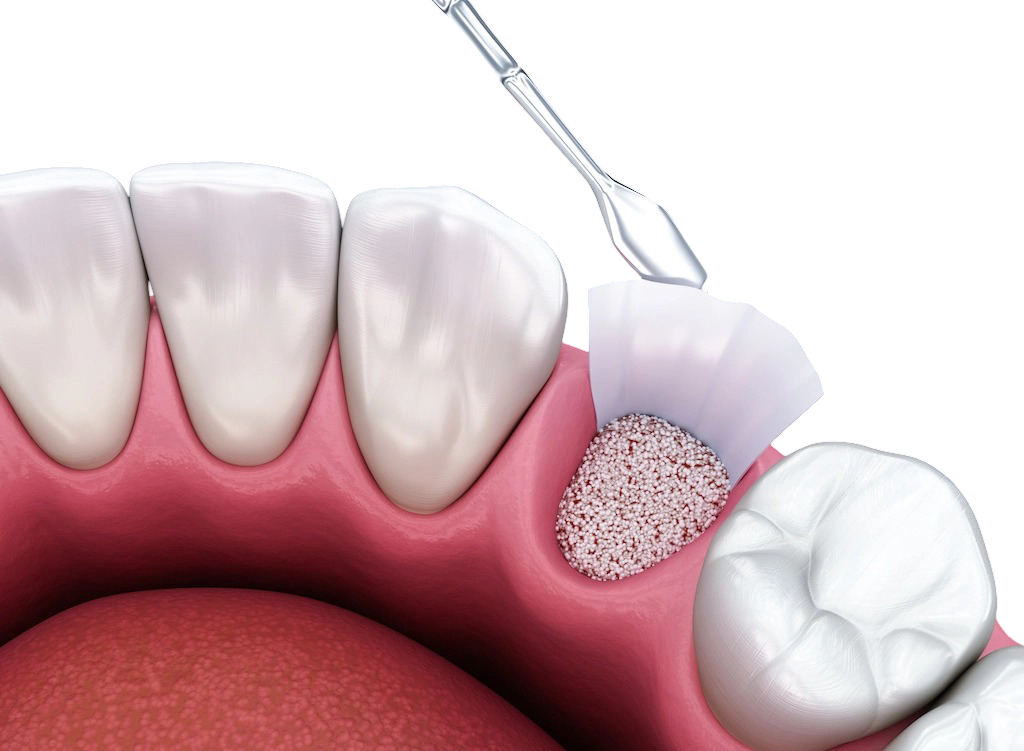
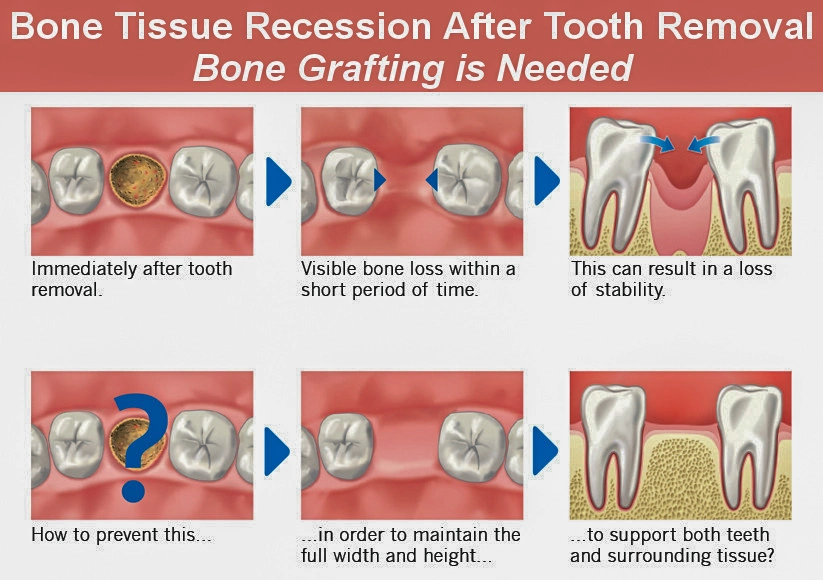
Bone loss does not announce itself — it progresses silently.
Common causes include:
Without reinforcement, implants placed under these conditions may lose stability or fail prematurely.
Bone grafting removes that uncertainty and transforms doubt into design.
If bone supports the implant, soft tissue protects it.
Gum grafting strengthens and shapes the tissue around the implant to ensure:
In complex implant cases, ignoring the gum layer is one of the leading causes of future complications.
We never skip the details that protect your investment.
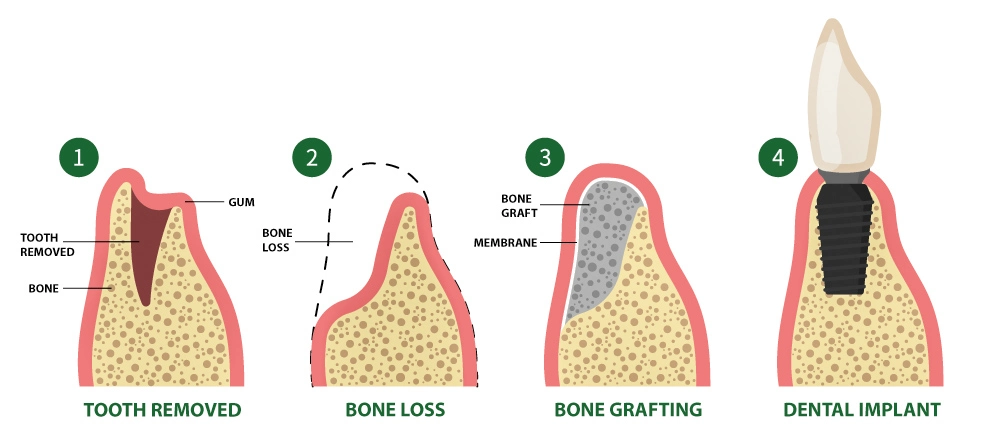
Both procedures serve different but complementary purposes:
Bone grafting:
Soft tissue grafting:
Predictable outcomes result from addressing both when clinically indicated.
Not always.
If your bone volume and gum tissue are already healthy and stable, we proceed directly to implant placement.
Our philosophy is simple: no unnecessary procedures — only what guarantees success.
Most patients describe grafting as much easier than expected.
Pain control
Recovery
Pain is manageable.
Lack of planning is not — and we plan everything.
Healing varies by complexity, but our average timelines are:
Implant placement occurs only when your tissues are biologically ready — never rushed.
Confidence is good; process is better.
Predictability means:
This is how complexity becomes manageable — and stress turns into confidence.
Many of our most satisfied patients were once told they were “too difficult” for implants.
What changed?
Complex does not mean unpredictable — not when every phase is controlled.
At VIDENT in Antwerp, we approach every implant case as a complete, interdependent system:
You do not have to hope it will work.
You will understand why it will work.
Sometimes the answers lie in the details — in the planning, not only in the problem itself.
If you are looking for certainty, structure, and a real understanding of complex implant pathways, it is time to start from a place where everything is defined with precision and predictability.
Explore our full “Complex Dental Implant Cases” page now to see exactly how we manage complexity and guarantee certainty at every stage of your treatment.
After tooth loss, trauma, or infection, the jawbone and gums can shrink over time. If there is not enough healthy bone or soft tissue, a dental implant cannot be properly supported. Bone and soft tissue grafting rebuilds this foundation, significantly increasing implant stability, longevity, and overall success.
Placing an implant without sufficient bone or gum tissue can lead to serious complications, including implant failure, loosening, further bone loss, gum recession, and poor aesthetic outcomes. Grafting reduces these risks and creates a predictable environment for long-term success.
The procedure is performed under local anesthesia, so you should not feel pain during treatment. Mild to moderate discomfort afterward is normal and is usually easily managed with prescribed pain medication and aftercare.
Depending on your clinical needs, bone graft material may come from:
Your implant specialist will select the safest and most effective option based on CBCT imaging and your oral health condition.
Bone grafting restores the strength and volume of the jawbone needed to support an implant.
Soft tissue grafting focuses on healthy gum coverage, preventing recession, protecting the implant, and improving aesthetics. Many complex cases require both procedures for optimal results.
Healing time varies depending on graft size and technique, typically ranging from 3 to 6 months. In selected cases, bone grafting and implant placement can be performed simultaneously.
When performed with proper planning and advanced techniques, success rates are very high. Factors such as smoking, uncontrolled diabetes, poor oral hygiene, and failure to follow post-operative instructions can reduce success and must be carefully managed.
Yes, but smoking significantly increases the risk of graft failure and delayed healing. Patients are strongly advised to stop smoking at least 2 weeks before and 4–6 weeks after the procedure to improve outcomes.
Proper bone and soft tissue grafting ensures:
This is especially critical in the aesthetic (front tooth) zone.
Absolutely. With advanced diagnostics such as 3D CBCT imaging, precise treatment planning, and modern grafting techniques, even complex and severe bone loss cases can be treated with predictable, long-lasting results.