
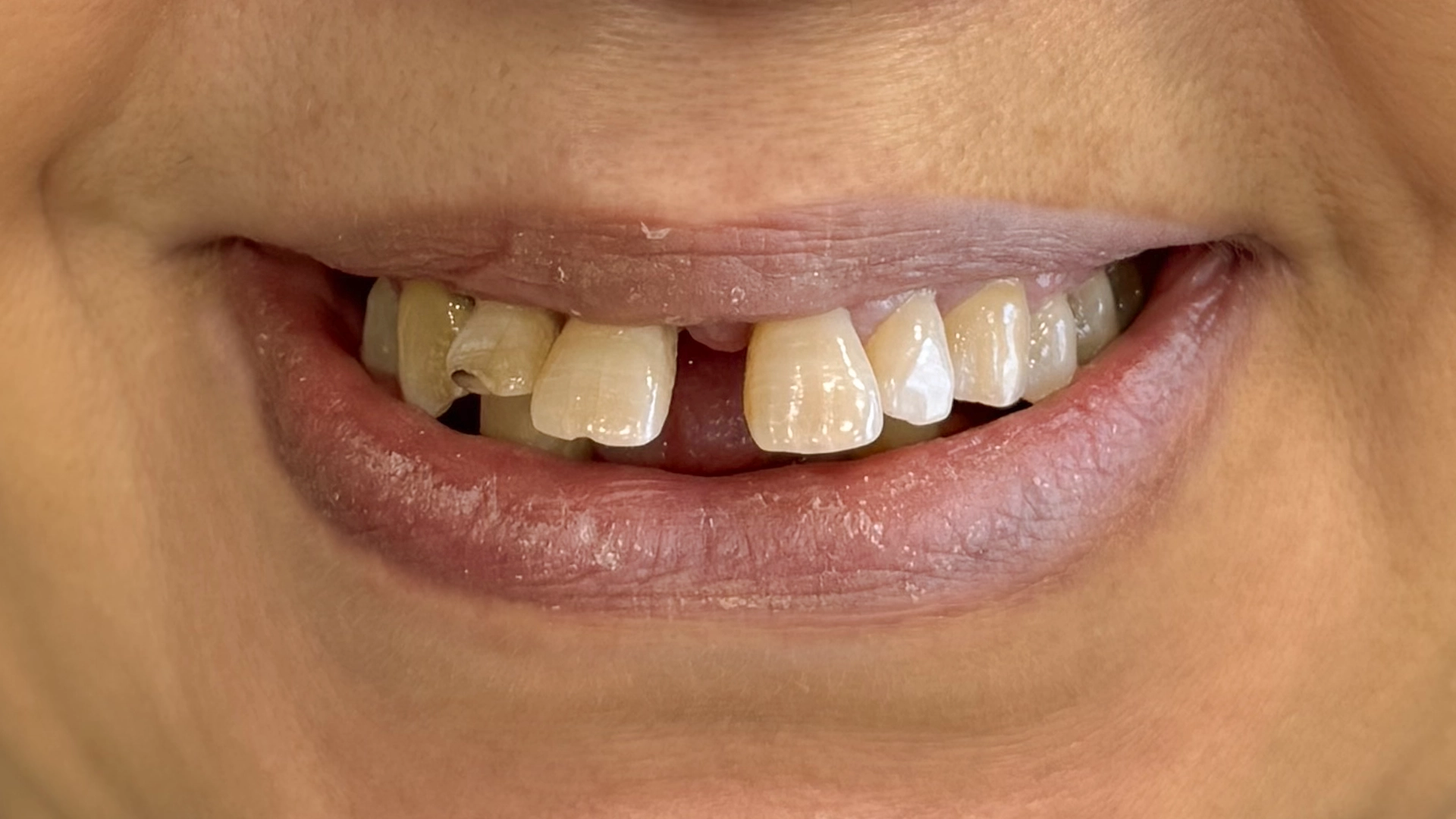
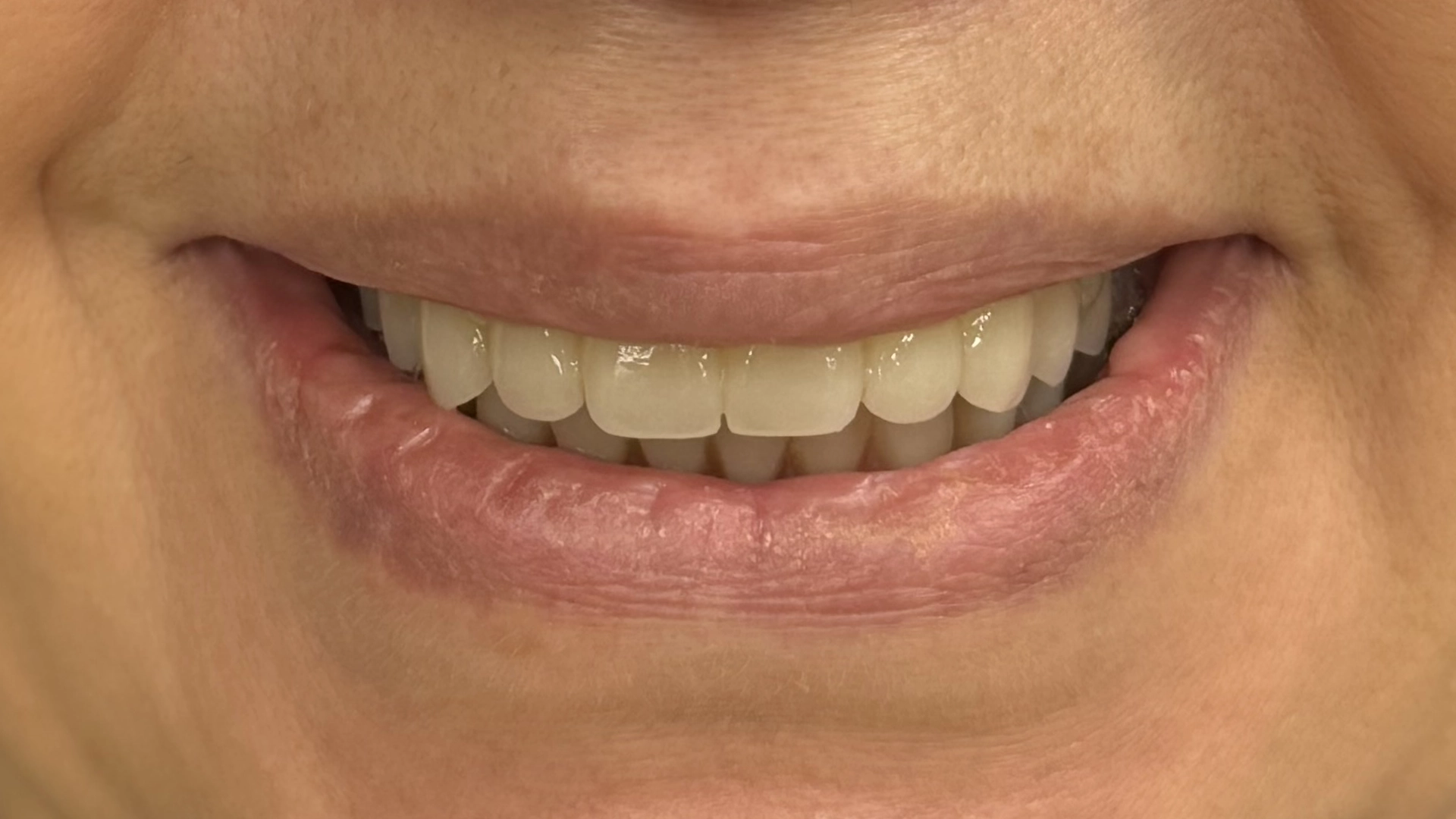
Immediate Dental Implants

In Antwerp – VIDENT Clinic

Estimated reading time: ~4 minutes

Choosing a dental implant is rarely about speed alone.

For most people in Antwerp, it is about making a decision that will still feel right years from now.

At VIDENT, immediate implant placement is approached as a measured clinical decision, not a shortcut. Patients who arrive on this page usually share similar thoughts:

  • You want a solution that is efficient, but not rushed
  • You want clarity before commitment
  • You want to understand the logic behind the recommendation
  • You want to avoid regret more than anything else

This page exists to give you that clarity, step by step.

dental implants beforedental implants after

What Is an Immediate Dental Implant and How Is It Different from a Delayed Implant?

An immediate implant is placed directly at the time of tooth extraction.

A delayed implant is placed after a healing period, usually several weeks or months later.

The difference is not philosophical. It is structural and biological.

Immediate implant placement focuses on:

  • Using existing bone architecture efficiently
  • Preserving natural tissue contours
  • Reducing the number of surgical phases

Delayed implant placement focuses on:

  • Allowing natural healing before placement
  • Managing bone remodeling over time
  • Separating extraction and implant into distinct steps

At VIDENT, the distinction is never framed as faster versus slower.

It is framed as appropriate versus inappropriate for your specific anatomy.

Is an Immediate Implant Always the Best Option?

Immediate implants are selective by nature.

They are chosen when they increase predictability, not when they merely reduce time.

An immediate implant is considered when:

  • The extraction site allows controlled placement
  • Bone volume and density meet strict parameters
  • Soft tissue can be stabilized correctly
  • Long term function can be planned from day one

When these conditions are not present, an alternative sequence is considered.

The objective remains the same in every case: a stable result that does not create future compromises.

Who Is a Suitable Candidate for Immediate Implant Placement?

Suitability is determined by structure, not preference.

Patients who are often suitable include:

  • Individuals with preserved bone at the extraction site
  • Patients with controlled bite forces
  • Patients without active infection at the implant site
  • Patients who value predictability over improvisation

Age alone is not a deciding factor.

Bone quality, anatomical conditions, and occlusal dynamics matter far more.

At VIDENT, suitability is verified through:

  • Clinical examination
  • Radiographic analysis
  • Functional assessment of bite and load distribution

Only when these elements align does immediate placement enter the plan.

Does Immediate Implant Placement Increase the Risk of Failure?

Risk is not inherent to timing.

Risk comes from poor selection and inadequate planning.

When immediate implants are placed within defined clinical parameters:

  • Survival rates align with conventional implant protocols
  • Tissue response remains stable
  • Long term outcomes remain predictable

What increases risk is skipping verification steps or forcing speed into cases that do not support it.

At VIDENT, risk is managed by:

  • Clear inclusion criteria
  • Conservative stability thresholds
  • Stepwise confirmation during placement

Nothing is assumed. Everything is verified.

How Does Bone Quality Affect Immediate Implant Stability?

Bone quality determines how force is absorbed and distributed.

In immediate implants, this matters even more because:

  • The implant engages bone immediately
  • Initial stability must be achieved mechanically
  • Biological integration begins from day one

Bone is assessed for:

  • Density
  • Volume
  • Cortical support
  • Orientation relative to load direction

If bone quality does not allow controlled engagement, the plan is adjusted.

This adjustment is not a setback. It is a safeguard.

Does Immediate Dental Implants Placement Reduce Overall Treatment Time?

In suitable cases, yes.

But time reduction is treated as a secondary benefit, not a goal.

Potential efficiencies include:

  • Fewer surgical appointments
  • Streamlined healing phases
  • Earlier stabilization of soft tissues

What matters more is that:

  • The sequence is logical
  • Each phase builds on the previous one
  • No corrective steps are introduced later

Efficiency without correction is the only efficiency that matters.

How Is the Decision for Immediate Implant Placement Made at VIDENT?

Decisions at VIDENT follow a structured clinical pathway.

The process includes:

  • Diagnostic assessment
  • Risk stratification
  • Scenario comparison
  • Outcome forecasting

Patients are guided through:

  • Why immediate placement may fit their case
  • What conditions must be met
  • What alternatives exist
  • How each option affects long term stability

Most patients appreciate knowing that:

  • The plan adapts to their anatomy
  • The sequence is documented
  • The outcome is visualized before action is taken

That is how control is preserved.

Where I walked in months ago with fear was completely gone in a few minutes. Very good dentist gives good explanations and knows his trade. I am now being treated for 2 implants and everything is perfect. Highly recommended.

★★★★★
- Melissa Molhoek

Excellent professional. Every consultation was perfect and painless. Very satisfied with the final result of my dental implant. Assistants are friendly and professional.

★★★★★
- Lisandra García

For the moment, I have my temporary teeth on implants on top (so I'm not walking around toothless as I feared 🥳). I'm really so happy with this dentist (he's really super good, in my opinion, an expert at his work! (He works really focused … More

★★★★★
- Vera j

Very satisfied with this practice. I ended up here with an urgent problem, and I didn't hesitate to become a patient. The welcome was very warm. I had implants placed by Dr. Victor, which wasn't obvious to me. He reassured me and went … More

★★★★★
- Diesel Demunter (Petra)

Very satisfied. Whether it's for a checkup, implant, or crown. Very professional and a fair price. Thanks to Victor, I have a radiant smile. And also a big shout-out to the super friendly Desi. TOP TEAM!!!

★★★★★
- Eddy Van Hinsbergh

A very good professional and a person...Always willing to help....We are very satisfied🙂🙂😊😊A great dentist and person...Always listens, explains crowns, implants, he is the man...THANK YOU Dr. Viktor Petrov and Desislava Tsvetkova, you are great too....

★★★★★
- Maria Sofronieva

Professional, hygienic, painless, and fast. Everything you could want from a dentist. You can also come here for implants and root canal treatments, all at a fair price and without a long wait.
★★★★★
- Veronique I
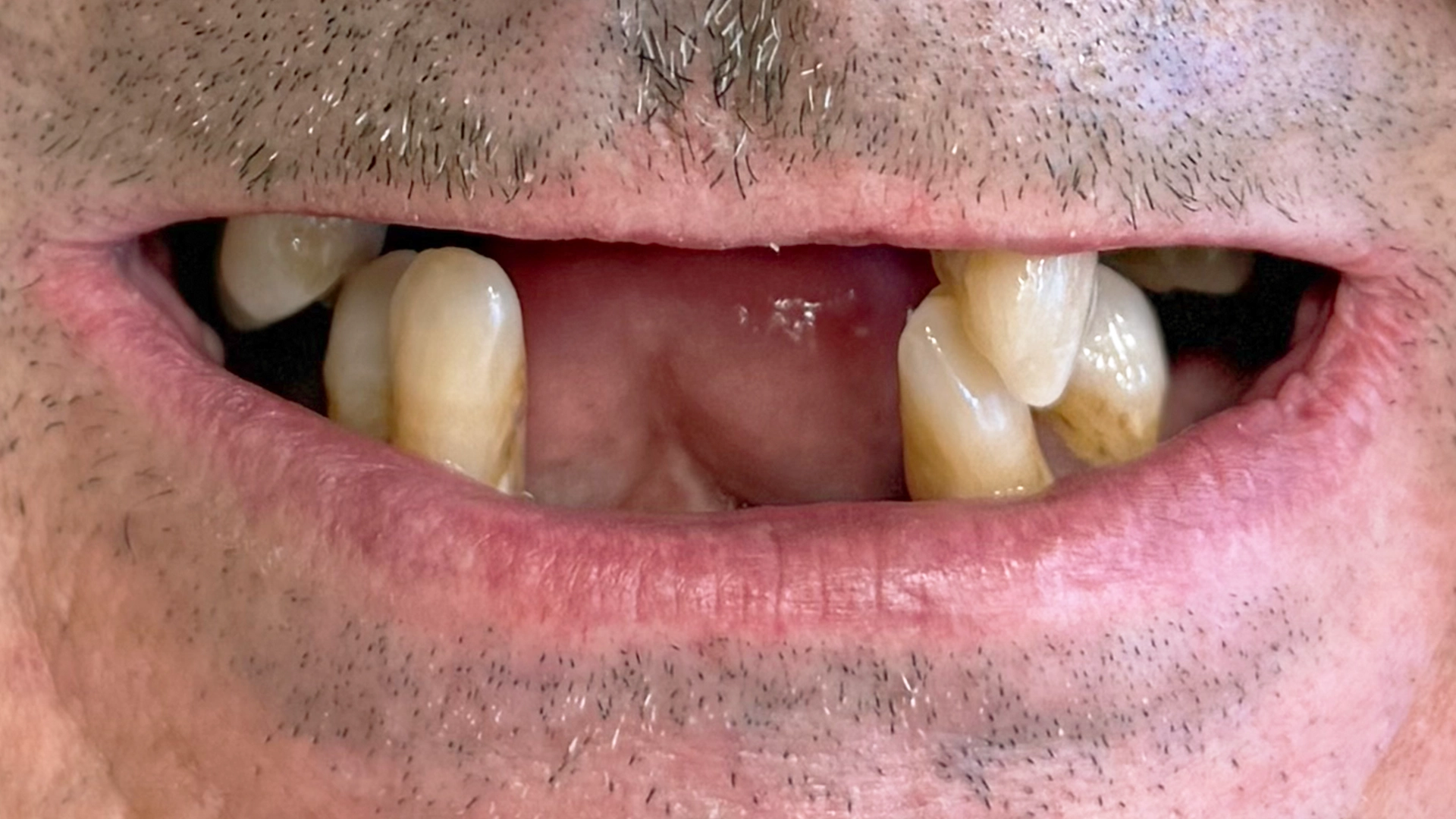
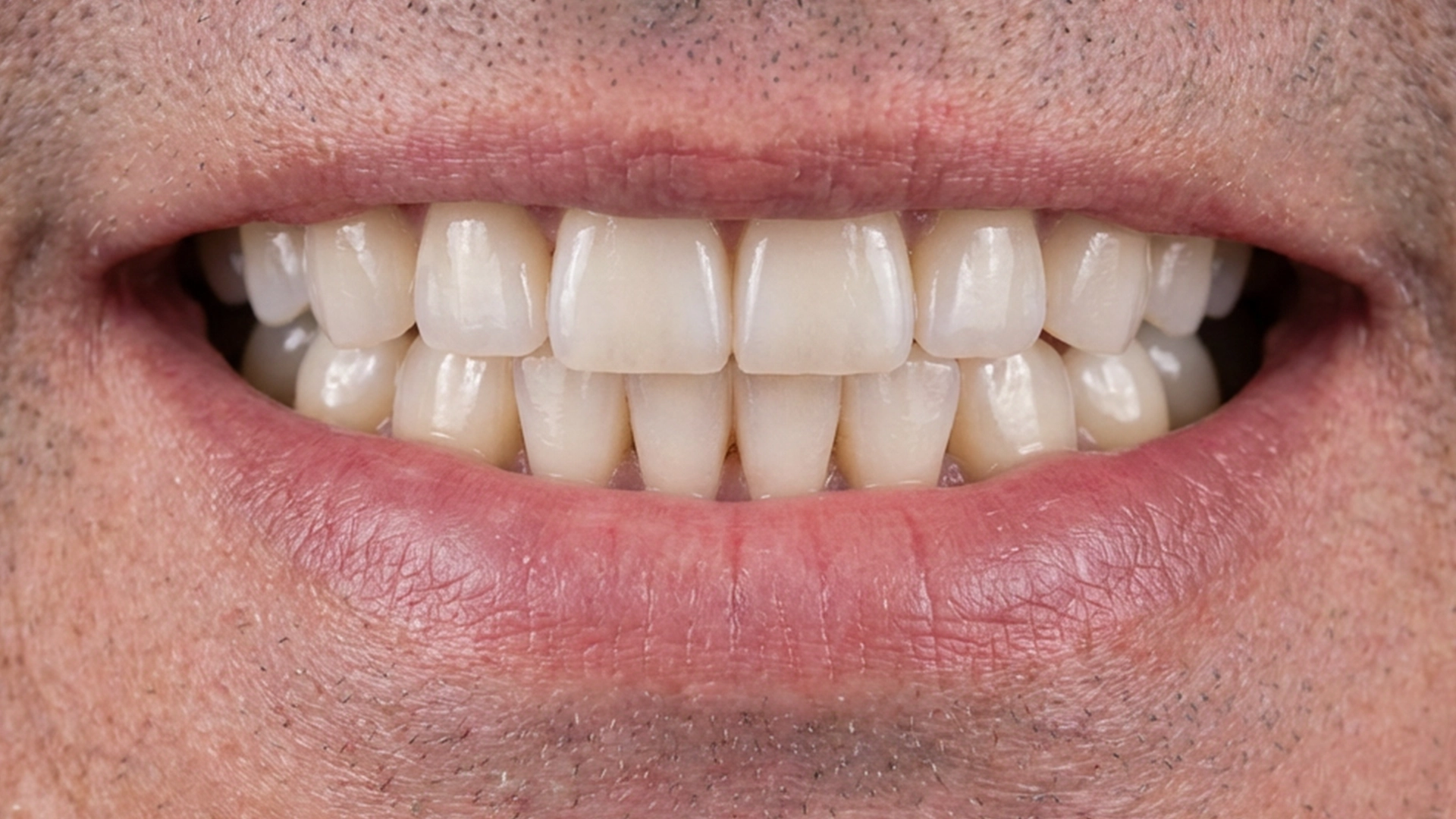
all on 4 - 6 dental implants beforeafter smile 3

Next Step

If you are considering an immediate implant, the next step is clinical confirmation.

At VIDENT, we assess structure, stability, and long‑term predictability before any decision is made.

Book a focused implant consultation to understand your options with clarity and control.

FAQ

Patients usually worry about choosing speed over safety.

At VIDENT, immediate implant placement is never presented as a shortcut.

The decision is based on:

  • Bone structure at the extraction site
  • Implant stability that can be achieved on the same day
  • Bite forces and functional load
  • Long‑term predictability, not short‑term convenience

If these factors do not align, a different sequence is recommended.

This approach ensures that the decision still makes sense years later, not just today.

This is a common and valid concern.

If bone quality or volume does not meet defined clinical thresholds:

  • The plan is adjusted before placement
  • Healing or preparatory steps are introduced
  • No implant is forced into an unstable environment

This does not mean treatment becomes uncertain.

It means the risk is removed before it appears.

Patients often find reassurance in knowing that the system adapts to their anatomy, not the other way around.

Not necessarily.

Immediate implant placement refers to when the implant is inserted, not when it is loaded.

At VIDENT:

  • Some immediate implants are intentionally left unloaded
  • Others may receive a temporary restoration without functional pressure

The decision depends on:

  • Primary stability
  • Implant position
  • Bite dynamics

This separation protects the implant during its most critical biological phase.

Patients often assume faster means riskier.

Clinically, that assumption is incorrect when protocols are respected.

When immediate implants are placed under controlled conditions:

  • Long‑term success rates are comparable to delayed implants
  • Tissue stability can be preserved effectively
  • Complications are not increased

What increases risk is poor case selection, not timing.

That is why planning, diagnostics, and thresholds matter more than speed.

This concern reflects long‑term thinking, which is appropriate.

When planned correctly, immediate implants:

  • Do not restrict future restorative options
  • Preserve bone and soft tissue architecture
  • Maintain flexibility for final prosthetic design

At VIDENT, every immediate implant is planned backward from the final restoration.

Nothing is done that would reduce future control.

In suitable cases, overall treatment time can be reduced.

However, time reduction is never the primary objective.

The real advantage is:

  • Fewer surgical phases
  • Better preservation of natural tissues
  • A more streamlined healing sequence

The focus remains on avoiding corrective steps later, which is what truly saves time and effort in the long run.

VIDENT operates on a process‑driven clinical framework, not individual preference.

Every immediate implant decision is supported by:

  • Diagnostic imaging
  • Structural and functional analysis
  • Scenario comparison
  • Clear inclusion and exclusion criteria

Patients are guided through:

  • Why immediate placement may be appropriate
  • What conditions must be met
  • What alternatives exist if those conditions change

This structured approach creates predictability, transparency, and confidence without pressure.