
When Your Smile Doesn’t Fully Represent You
You notice it in photos. In conversations. In moments where you hesitate just a second longer than you should.
Something about your smile doesn’t align with who you are—or how you present yourself in the rest of your life.
It may be discoloration that no longer responds to whitening.
Minor chips you’ve adapted to hiding.
Spacing or proportions that subtly affect how confident you feel when you speak or laugh.
This awareness is not superficial—and it’s not impulsive.
Most patients who consider porcelain veneers arrive with the same internal conflict:
they want a meaningful change, but they don’t want to gamble with their teeth or the outcome.
That hesitation is reasonable.
At VIDENT Antwerp, we work with patients who think carefully before deciding. People who value predictability, control, and knowing exactly what will change—before anything irreversible happens.
Take your time reading.
By the end, you should know—not hope—whether veneers are the right decision for you.
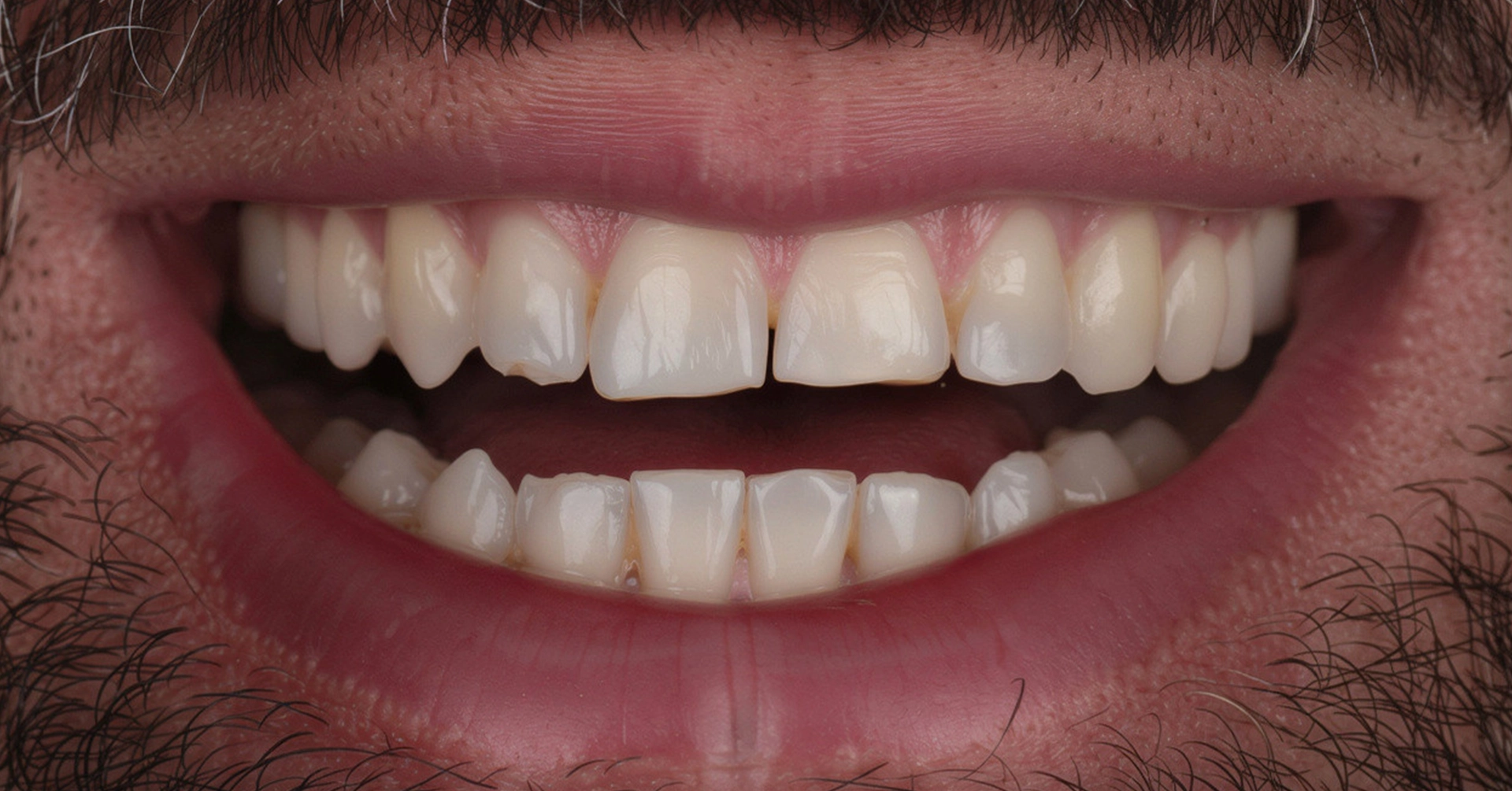
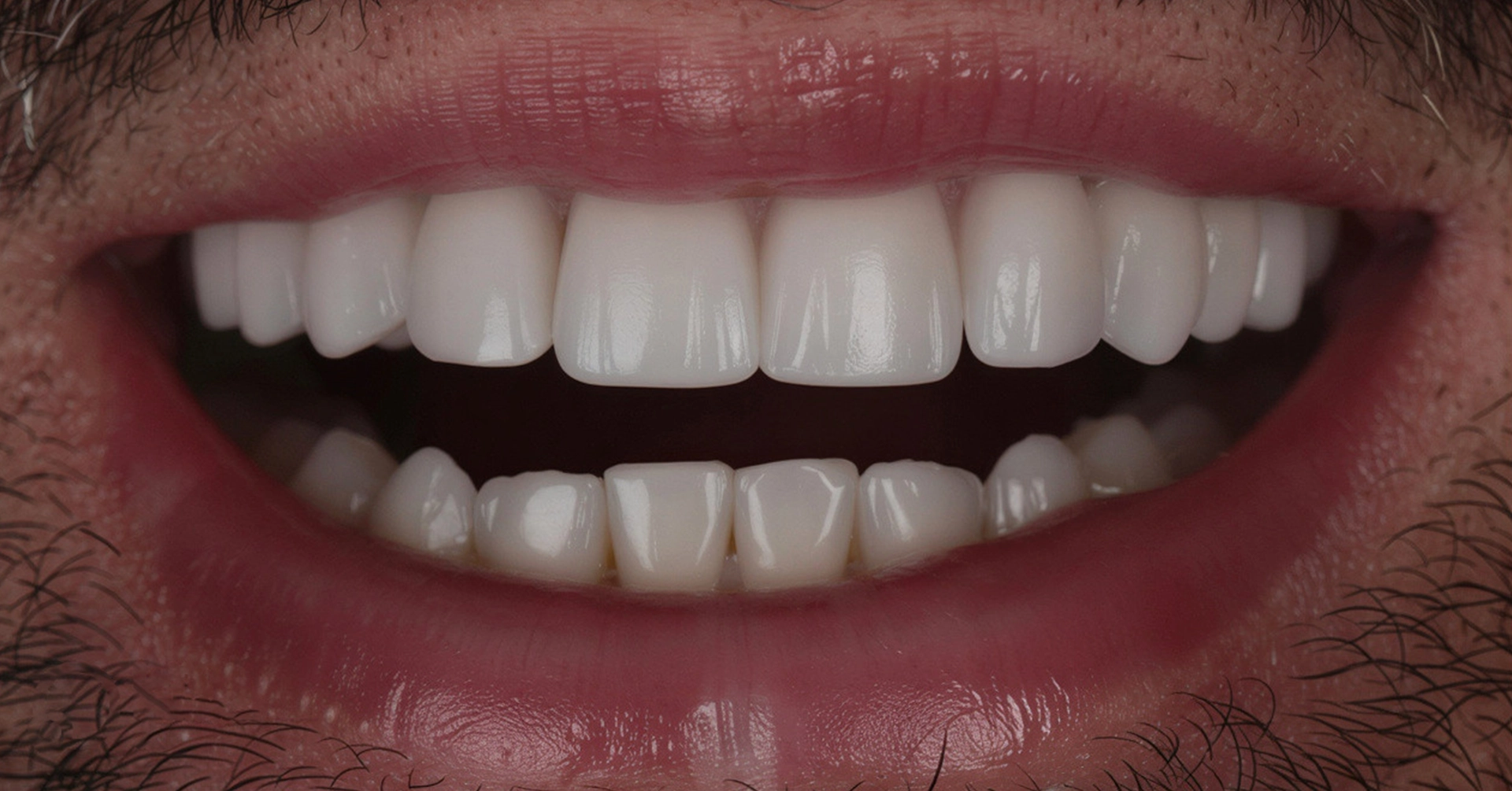
This distinction matters — especially in a city like Antwerp,
where patients value logic over language and process over promises.
You never guess your result.
Before any tooth preparation begins, you see and approve a physical mock‑up of your future smile — created from digital scans, wax models, and temporary veneers worn for several days.
You evaluate comfort, appearance, and nuances in real life.
Adjustments are made until you feel complete clarity.
Only then do we proceed to the definitive veneers.
Every outcome confirmed. Every step documented.
Correctly bonded porcelain veneers last 15–25 years on average.
Their longevity rests on clinical engineering, not marketing:
This isn’t experimental. It’s repeatable. It’s dental engineering — with accountability built in.
The difference between veneers that look perfect and veneers that look real is light.
Real enamel is translucent; light penetrates, scatters softly, and returns with depth.
Cheap veneers block light — they appear flat, detectable, artificial.
At VIDENT, porcelain is layered like natural enamel itself: multiple translucency zones, calibrated core opacity, surface microtexture that interacts authentically with ambient light.
The result: veneers that disappear into your expression, not float on top of it.
Modern ultra‑thin veneers need only minimal adaptation — sometimes about 0.3 mm of enamel, confined to the front surface.
Your natural tooth stays intact; sensitivity remains low; options for future treatments stay preserved.
In select conditions, no‑prep veneers are possible — zero reduction, full coverage.
Each case is independently assessed using 3D visualization before touching enamel.
We remove only what’s essential — never more.
Where I walked in months ago with fear was completely gone in a few minutes. Very good dentist gives good explanations and knows his trade. I am now being treated for 2 implants and everything is perfect. Highly recommended.

Excellent professional. Every consultation was perfect and painless. Very satisfied with the final result of my dental implant. Assistants are friendly and professional.
For the moment, I have my temporary teeth on implants on top (so I'm not walking around toothless as I feared 🥳). I'm really so happy with this dentist (he's really super good, in my opinion, an expert at his work! (He works really focused … More
Very satisfied with this practice. I ended up here with an urgent problem, and I didn't hesitate to become a patient. The welcome was very warm. I had implants placed by Dr. Victor, which wasn't obvious to me. He reassured me and went … More
Very satisfied. Whether it's for a checkup, implant, or crown. Very professional and a fair price. Thanks to Victor, I have a radiant smile. And also a big shout-out to the super friendly Desi. TOP TEAM!!!
A very good professional and a person...Always willing to help....We are very satisfied🙂🙂😊😊A great dentist and person...Always listens, explains crowns, implants, he is the man...THANK YOU Dr. Viktor Petrov and Desislava Tsvetkova, you are great too....
Professional, hygienic, painless, and fast. Everything you could want from a dentist. You can also come here for implants and root canal treatments, all at a fair price and without a long wait.
At VIDENT, veneers follow a defined clinical system, not improvisation.
Before any aesthetic discussion:
If veneers are not the right solution, we say so — clearly.
No treatment proceeds unless it is:
Nothing is left to imagination.
This phase exists for one reason:
To eliminate post-treatment regret.
We prioritize maximum preservation of natural enamel.
Enamel preservation =
Your veneers are:
No “bright white by default.”
No standardized shapes.
Only clinically appropriate aesthetics.
The final phase focuses on:
Treatment is completed only when stability is confirmed.
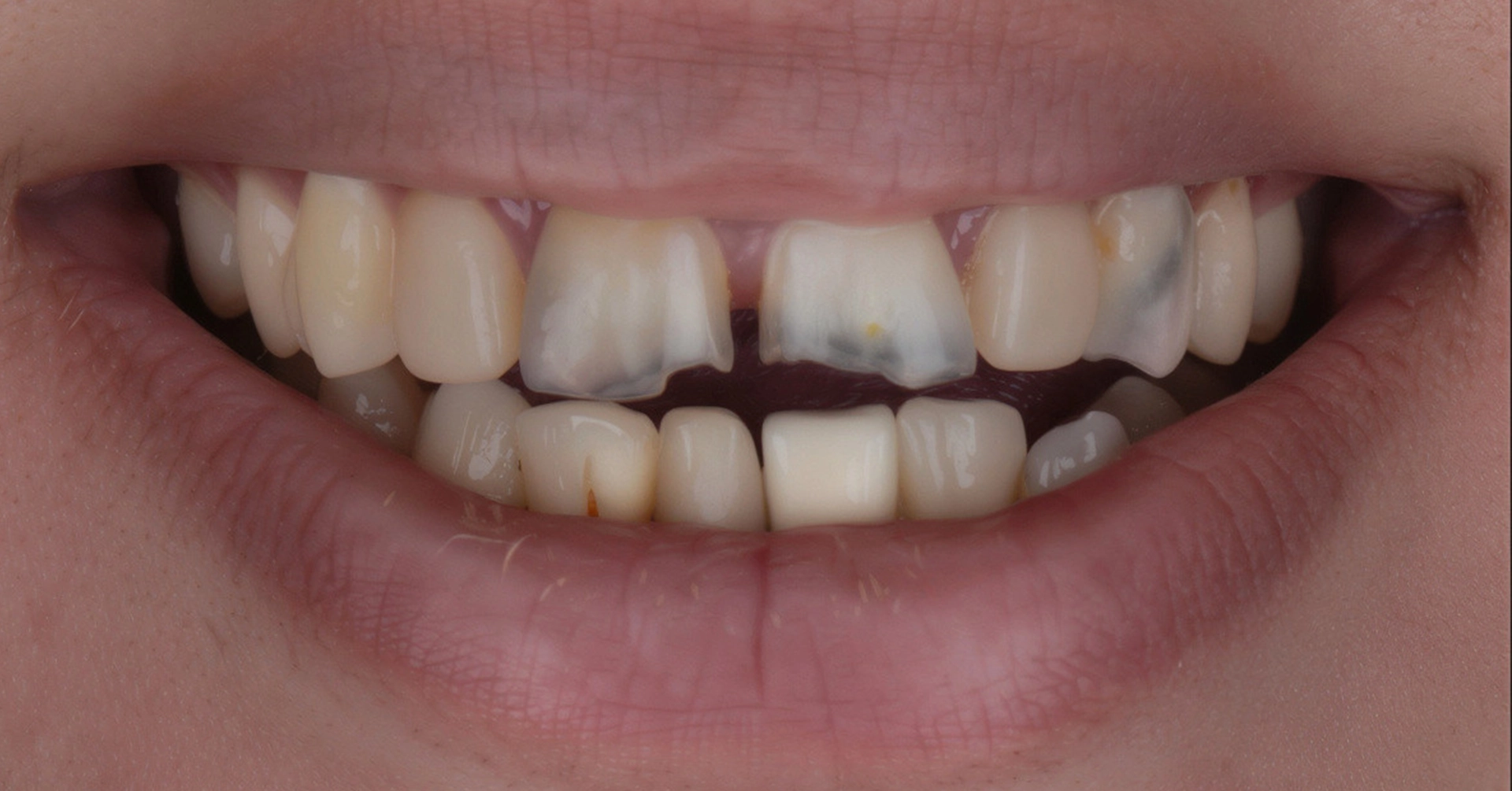
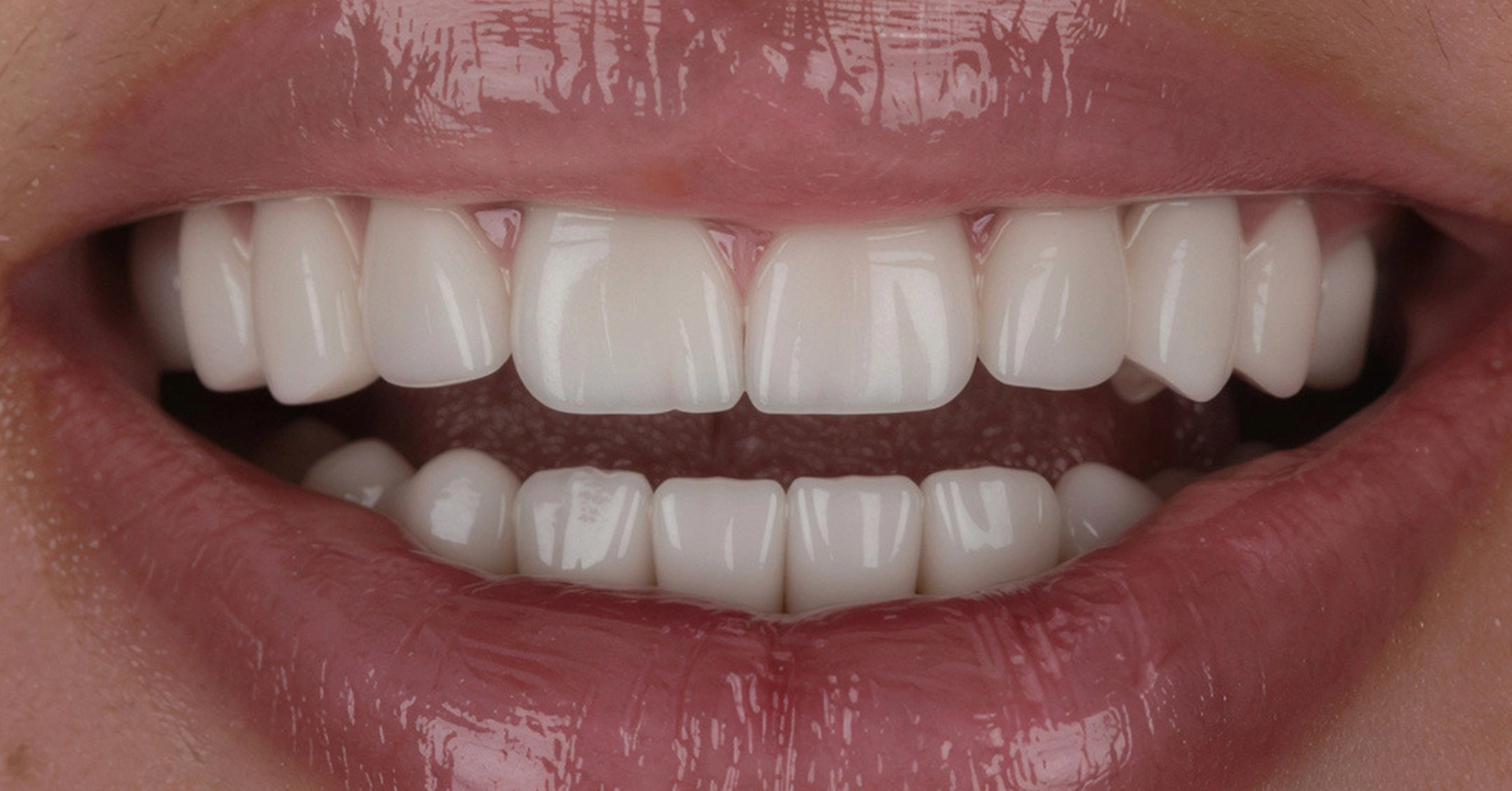
A natural-looking veneer result is not subjective.
It depends on:
At VIDENT, “natural” means:
*No one should notice your veneers —
only that your smile looks balanced and healthy.
Veneers don’t fail randomly.
Their lifespan depends on:
When these factors are respected, veneers can remain stable and functional for many years.
This is why we emphasize planning over promises.
Veneers may be appropriate if you have:
They may not be appropriate if:
We address these factors before any commitment is made.
Veneers are not “place and forget.”
Long-term success includes:
This is not a drawback.
It’s what makes outcomes predictable.
If you’re considering dental veneers in Antwerp and value:
Then a consultation at VIDENT Dental Clinic may be a logical next step.
No pressure.
No urgency.
Just a clear process — explained before anything begins.
The decision is guided by clinical logic, not preference or trends.
Natural appearance is not subjective.
It is engineered through:
At VIDENT, veneers are designed to blend, not to stand out.
Longevity depends on how precisely the system is followed, not on promises.
Key factors include:
When these elements are respected, veneers can remain stable and functional for many years.
The goal is biological safety first, aesthetics second.
For most patients, veneer treatment is well tolerated and calm.
Not because discomfort is ignored — but because it is planned for and controlled.
Every step is explained before it happens, so nothing feels sudden or unclear.
Local anesthesia is used when appropriate, and modern veneer techniques are designed to be minimally invasive.
More importantly, the process never feels rushed.
You remain fully aware of what is happening, why it is happening, and what comes next.
Breaks are possible. Adjustments are made. Decisions are never forced.
After placement, structured post‑treatment care ensures that sensitivity remains low and adaptation feels natural.
Most patients describe the experience not as painful — but as carefully managed.
That sense of control is intentional.
That is precisely why planning, previews, and transparent discussions are prioritized.
Predictability is built into the system:
Nothing relies on assumption.
You evaluate the direction before the treatment is finalized.
Veneers require structured maintenance, not special treatment.
This includes:
This maintenance is what keeps outcomes stable and predictable over time.
Patients choose VIDENT because:
Trust is built through process and clarity, not advertising language.
This is a frequent search but rarely explained clearly.
Delaying replacement can lead to:
Early evaluation does not mean immediate treatment—it simply preserves options.