

Quick Summary
- Veneers do not damage healthy teeth when planned correctly.
- Modern veneers typically require very minimal enamel removal (often 0.3–0.7 mm).
- Your natural tooth remains alive and functional underneath the veneer.
- Problems like decay or sensitivity usually happen only when planning, bonding, or hygiene is poor.
- Minimal-prep or no-prep veneers can preserve even more natural tooth structure.
- The key factor is clinical design and diagnosis, not the veneer itself.
Almost everyone in Antwerp asks the same question:
“Will veneers ruin my natural teeth?”
It’s a fair fear. You’ve probably heard stories about aggressive tooth grinding, permanent damage, or teeth becoming weak forever.
The truth is far more nuanced — and far more reassuring. This guide walks you through every real risk, every myth, and every honest answer, so you can make a decision with complete clarity.
Let’s start with the biggest fear.
Does a Veneer Require Tooth Grinding?
The Fear
Many people in Antwerp picture veneers as filing down the entire tooth into a tiny peg. That image is frightening. And honestly, it’s why thousands of people delay treatment for years.
The Reality
A dental veneer is a thin shell of porcelain or ceramic bonded to the front surface of a tooth to improve color, shape, alignment, and symmetry.
To make room for that shell, dentists may remove a small amount of enamel.
Typical reduction:
- 0.3 mm – 0.7 mm of enamel
- Roughly the thickness of a contact lens
- Only on the front surface, not the entire tooth
The goal is simple: create space so the veneer sits naturally and does not look bulky.
When No Grinding Is Needed
In some situations, no enamel removal is required.
Examples include:
- Small teeth
- Slightly recessed teeth
- Teeth with natural spacing
- Smile widening cases
This is where no-prep veneers may be used.
The Blue Ocean Perspective: Veneers as “Architectural Layering”
Think of veneers less like shaving down a tooth… and more like architectural resurfacing.
When a historic building is restored, architects often preserve the structure and enhance the facade.
Modern cosmetic dentistry follows the same philosophy: preserve the structure, enhance the appearance.
Modern Veneer Preparation
With digital smile design and high-strength ceramics, dentists now aim to preserve as much enamel as possible.
Typical removal:
- Front surface: 0.3–0.5 mm
- Edge of tooth (if reshaping): 0.5–1 mm
For perspective: A credit card is about 0.76 mm thick. So in many cases, less than a credit card thickness is removed.

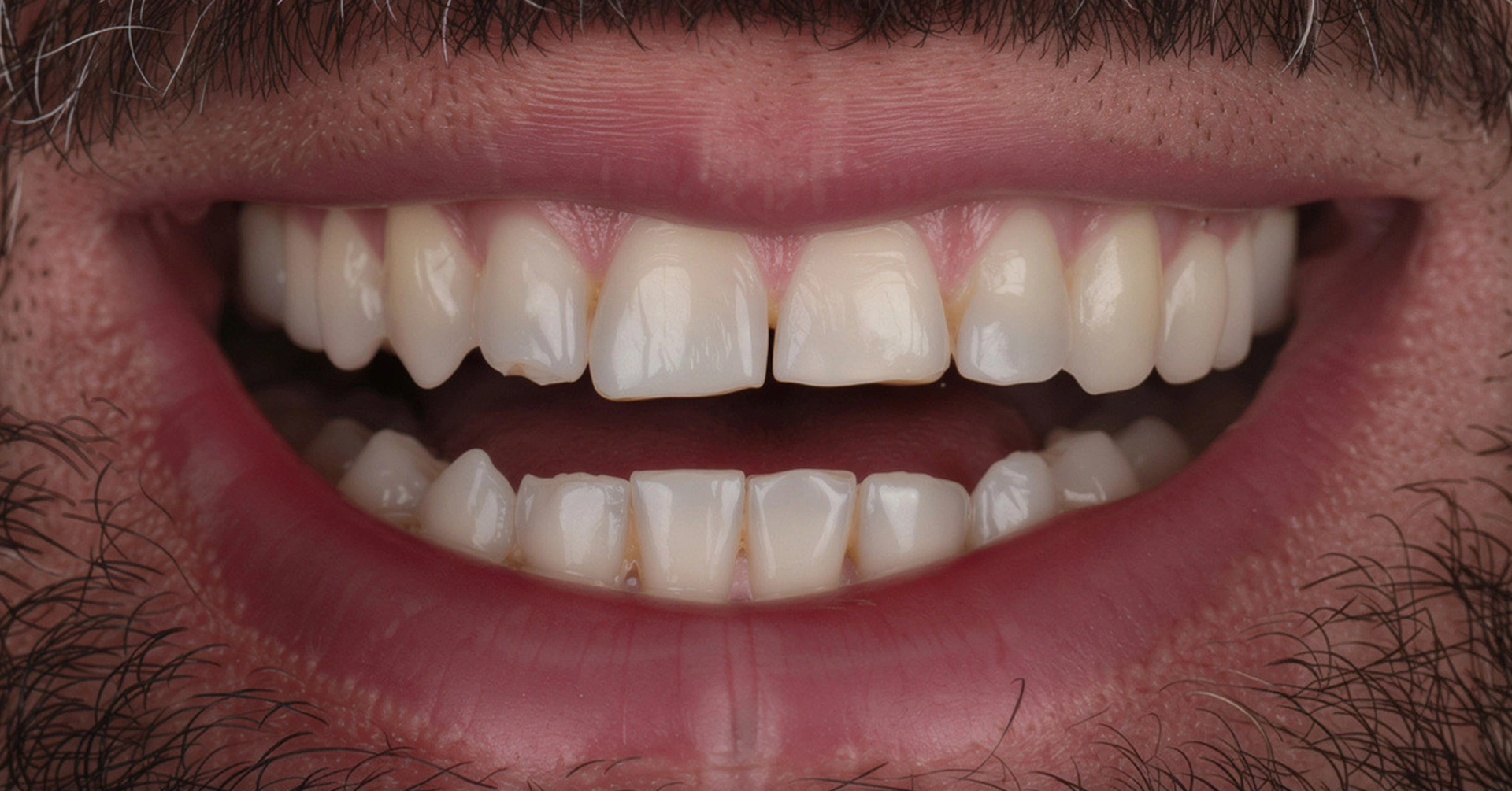
Can Veneers Cause Permanent Damage?
Patients often ask quietly: “Once I do veneers… is there no going back?”
The Honest Answer: Veneers are a long-term restoration, but they do not damage the tooth itself when properly done.
- The natural tooth remains alive
- The nerve stays intact
- The root and structure remain functional
What changes is simply the outer enamel layer on the front surface.
When Damage Could Occur
Problems usually arise only when:
- Excessive tooth reduction occurs
- Veneers are poorly bonded
- Bite forces are not managed
- Oral hygiene is neglected
These are planning problems, not veneer problems.
Are No-Prep or Minimal-Prep Veneers Really Safe?
No-prep veneers are ultra-thin porcelain shells placed directly on the tooth surface without reducing enamel. They work best for small teeth, worn teeth, spaced teeth, or teeth that tilt inward.
Both approaches are safe when used correctly.
What Happens If a Veneer Is Removed Later?
Because a small amount of enamel is removed during preparation, the tooth will usually need another veneer or a similar restoration. But that does not mean the tooth is damaged. It simply means the tooth has been permanently reshaped for cosmetic restoration.
High-quality porcelain veneers typically last 10–20 years or longer with proper care.
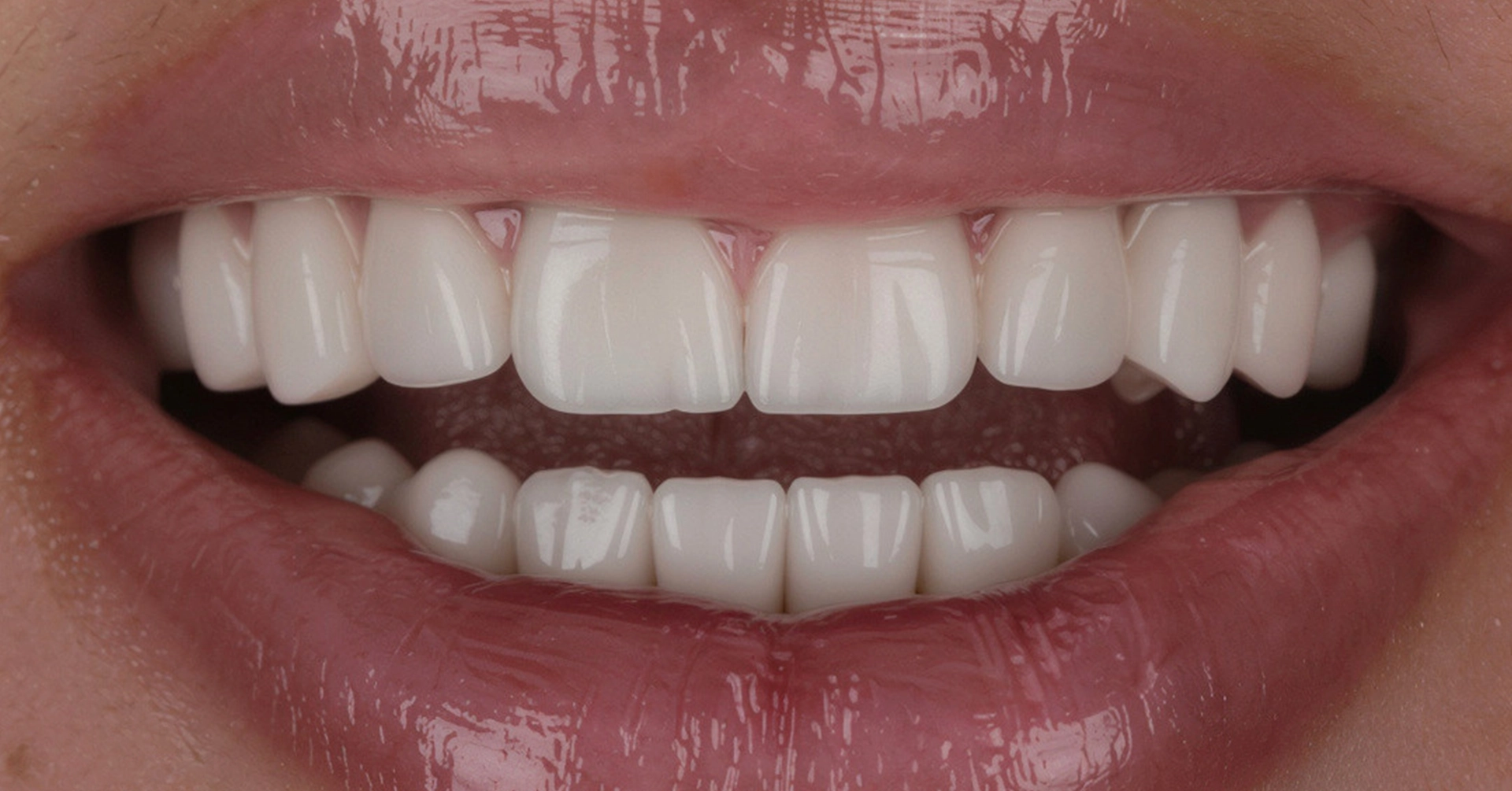
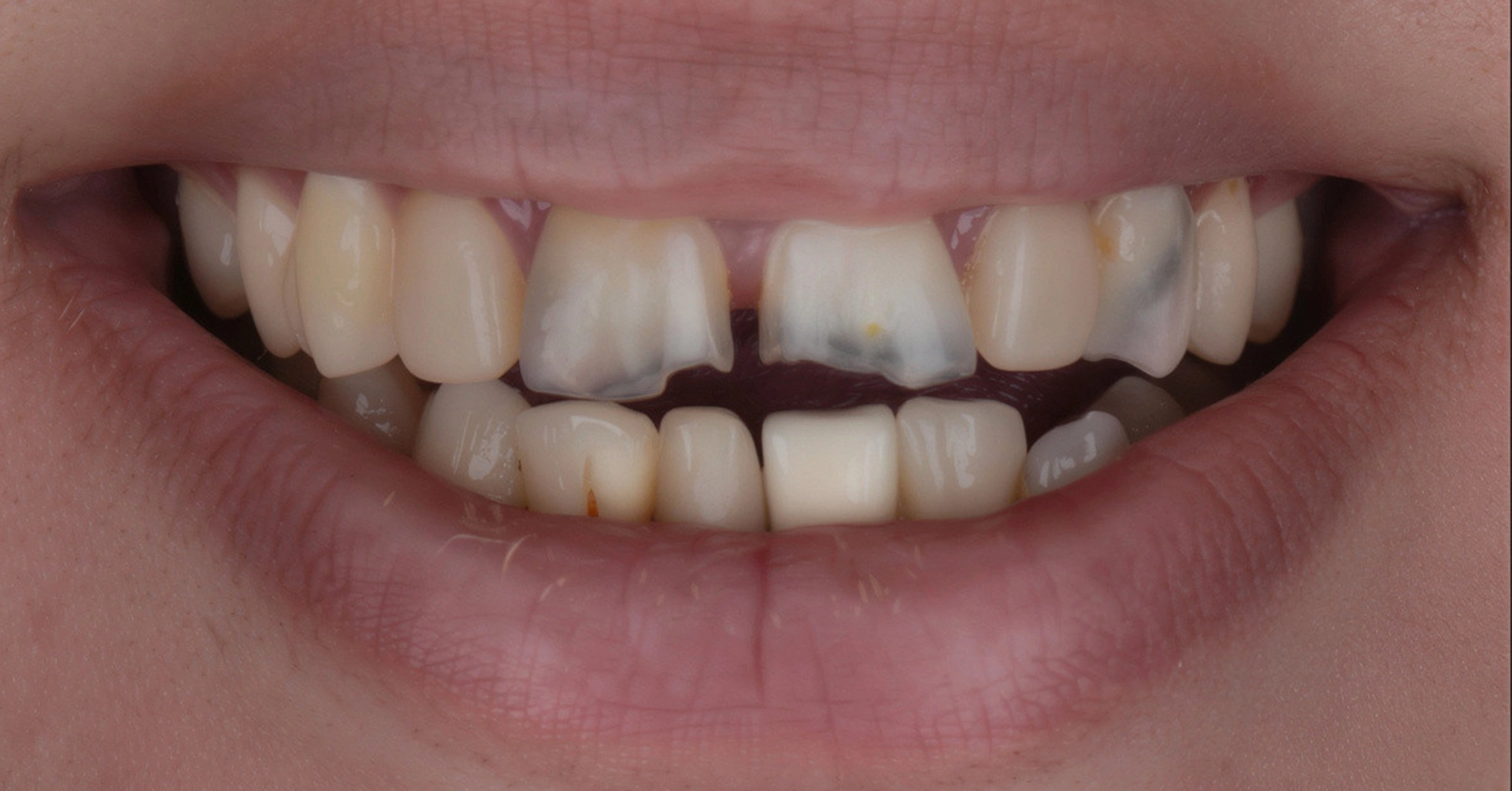
Does the Tooth Under a Veneer Become Weaker?
The tooth remains fully alive and functional. In fact, porcelain veneers often protect the tooth surface from wear, staining, and minor fractures.
Modern lithium-disilicate ceramics are comparable in strength to natural enamel.
Can Veneers Cause Decay or Sensitivity?
A properly bonded veneer seals the tooth surface tightly. Mild sensitivity may occur briefly after preparation but usually resolves quickly. Veneers do not decay, but excellent oral hygiene around the margins is essential.
Who Should NOT Get Veneers at All?
Veneers may not be ideal for severe teeth grinding without protection, untreated gum disease, very weak or heavily decayed teeth, or extremely crowded teeth needing orthodontics first.
Ethical dentistry means saying “Not Yet” when another treatment is safer.
The Truth Most Dental Websites Never Explain
Veneers themselves are not the risk. The real variable is planning quality. Cosmetic dentistry today uses digital smile design, facial analysis, mock-up simulations, ultra-conservative preparation, and advanced ceramic materials.
Your Next Step — The Smile Clarity Consultation
Most people don’t need more information. They need certainty. The safest way to know if veneers are right for you is a diagnostic smile consultation.
During this visit you can see your potential smile design, understand exactly how much enamel (if any) would be adjusted, explore alternatives, and ask every question openly.
Ready for a confident, healthy smile?
Book your personalized veneer consultation at VIDENT Dental Clinic in Antwerp today.
📞 Call VIDENT Dental Clinic — +32 468 42 86 77What Our Patients Say
Where I walked in months ago with fear was completely gone in a few minutes. Very good dentist gives good explanations and knows his trade. I am now being treated for 2 implants and everything is perfect. Highly recommended.

Excellent professional. Every consultation was perfect and painless. Very satisfied with the final result of my dental implant. Assistants are friendly and professional.
For the moment, I have my temporary teeth on implants on top (so I’m not walking around toothless as I feared 🥳). I’m really so happy with this dentist (he’s really super good, in my opinion, an expert at his work!)
Very satisfied with this practice. I ended up here with an urgent problem, and I didn’t hesitate to become a patient. The welcome was very warm. I had implants placed by Dr. Victor, which wasn’t obvious to me. He reassured me and went … More
Very satisfied. Whether it’s for a checkup, implant, or crown. Very professional and a fair price. Thanks to Victor, I have a radiant smile. And also a big shout-out to the super friendly Desi. TOP TEAM!!!
A very good professional and a person…Always willing to help….We are very satisfied🙂🙂😊😊A great dentist and person…Always listens, explains crowns, implants, he is the man…THANK YOU Dr. Viktor Petrov and Desislava Tsvetkova, you are great too….
Professional, hygienic, painless, and fast. Everything you could want from a dentist. You can also come here for implants and root canal treatments, all at a fair price and without a long wait.
Frequently Asked Questions
1. Do dental veneers ruin your natural teeth?
No, dental veneers do not ruin healthy teeth when performed correctly. A veneer is a thin layer of porcelain or ceramic bonded to the front surface of the tooth. In most cases, only a very small amount of enamel (about 0.3–0.7 mm) is removed to create space for the veneer.
The tooth underneath remains alive, structurally intact and fully functional. Problems usually occur only when veneers are placed without proper diagnosis, planning, or bonding technique.
2. Are teeth shaved down a lot for veneers?
This is one of the biggest myths about veneers. Modern cosmetic dentistry focuses on minimal-prep veneers, which preserve most of the natural enamel. Typical preparation removes less than the thickness of a fingernail and only from the front surface of the tooth.
3. Are veneers permanent?
Yes, veneers are considered a long-term cosmetic dental treatment. Because a small amount of enamel is usually removed, the tooth will typically always need some type of restoration in the future, such as a replacement veneer, a dental crown, or cosmetic bonding. Most porcelain veneers last 10 to 20 years or longer with proper care.
4. Do veneers make your teeth weaker?
No. In many cases, veneers actually protect the tooth surface. Porcelain materials such as lithium disilicate ceramic are extremely durable and can reinforce the front surface of the tooth.
5. Can you get cavities under veneers?
Cavities cannot form under a properly sealed veneer, but they can occur at the edges where the veneer meets the natural tooth if oral hygiene is poor. Daily brushing, flossing, and regular dental checkups keep the risk very low.
6. Do veneers cause tooth sensitivity?
Some patients experience temporary sensitivity after veneer preparation. This usually happens because a thin layer of enamel has been adjusted and the tooth needs time to adapt. In most cases the sensitivity is mild and disappears after the veneer is permanently bonded.
7. What happens if a veneer falls off or breaks?
If a veneer becomes loose or damaged, the tooth is usually still intact underneath. The dentist can typically re-bond the veneer, repair minor chips, or fabricate a new veneer if necessary. Replacement procedures are straightforward and minimally invasive.
8. Who is NOT a good candidate for veneers?
Not every patient is an ideal candidate for veneers. Dentists may recommend alternative treatments if a patient has severe teeth grinding without protection, untreated gum disease, extensive tooth decay, extremely crowded teeth requiring orthodontics first, or very thin enamel.
9. Are no-prep veneers safer than traditional veneers?
No-prep veneers can be a good option in specific cases, but they are not automatically safer. They work best for patients with small teeth, worn teeth, gaps between teeth, or slightly recessed teeth.
10. How do I know if veneers will damage my teeth?
The most reliable way to determine this is through a comprehensive cosmetic dental evaluation. Advanced clinics use Digital Smile Design and mock-ups so you can preview your future smile before any enamel is adjusted. This planning phase is what ensures veneers remain safe, conservative, and long-lasting.