

Quick Summary
Dental veneers are ultra-thin custom shells placed on the front of teeth to instantly improve color, shape, and alignment.
They are commonly used to fix:
- stained or discolored teeth
- chipped or worn teeth
- small gaps between teeth
- slightly crooked teeth
Main veneer types:
- Porcelain veneers – most natural looking and long lasting
- Composite veneers – faster and more affordable
- Minimal-prep or no-prep veneers – require very little enamel removal
When designed properly, veneers can last 10–20 years while looking completely natural.
What Are Dental Veneers and How Do They Improve Your Smile?
Many people assume veneers are simply cosmetic covers. That idea is incomplete.
Modern veneers are actually a combination of cosmetic dentistry, biomaterials engineering, and smile design science.
Their goal is not only to hide imperfections — but to restore harmony between teeth, lips, and facial proportions.
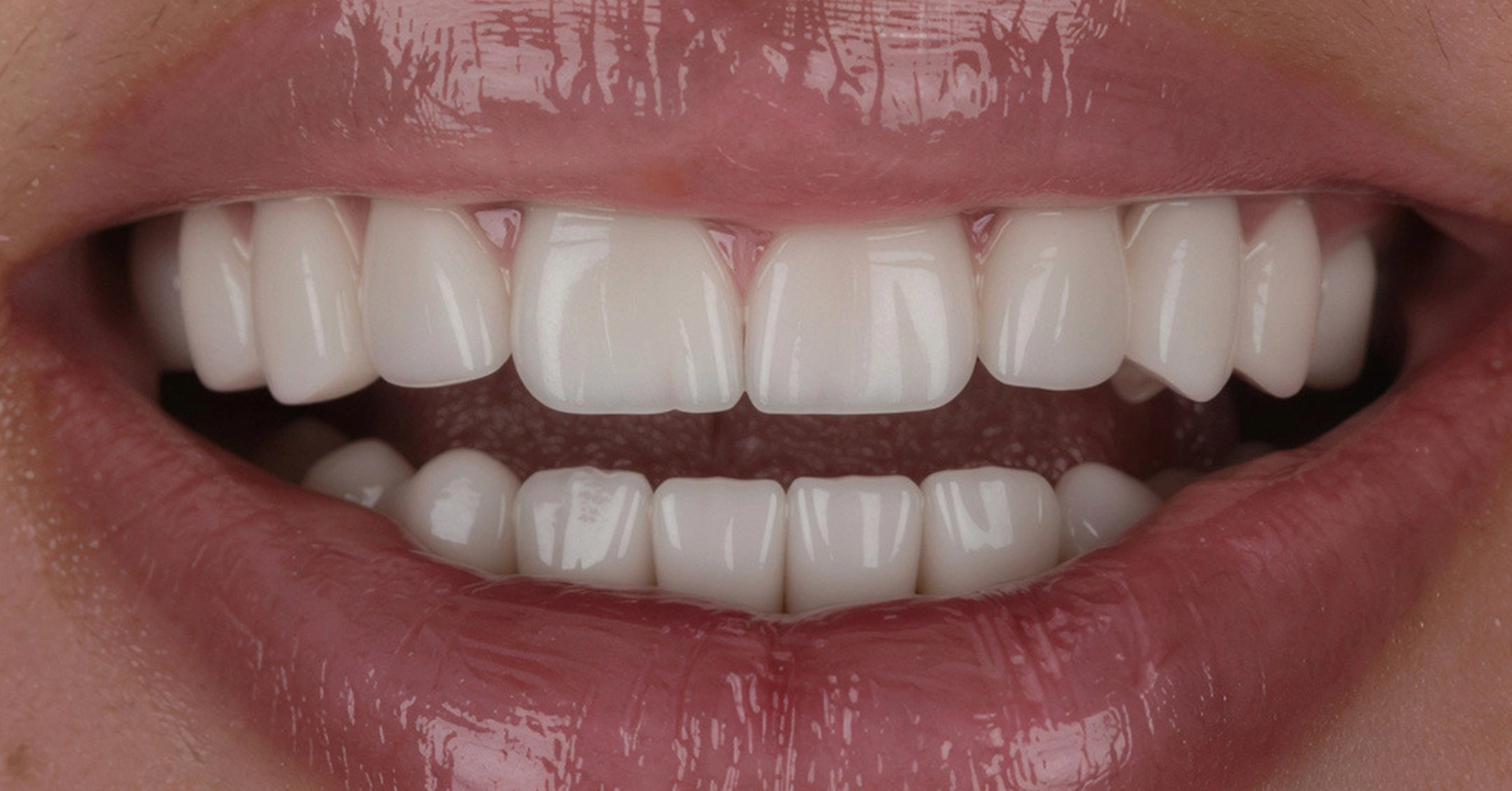
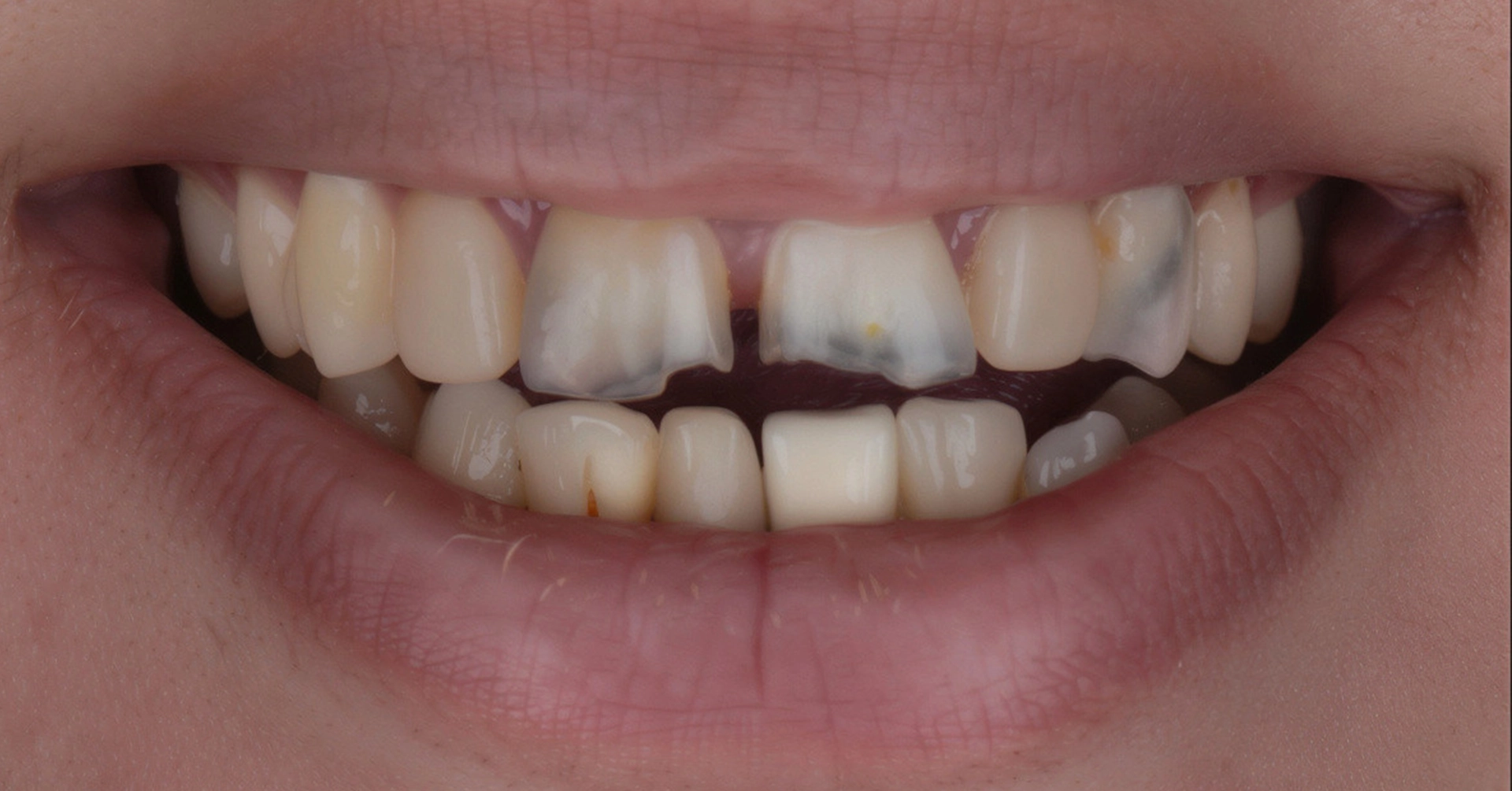
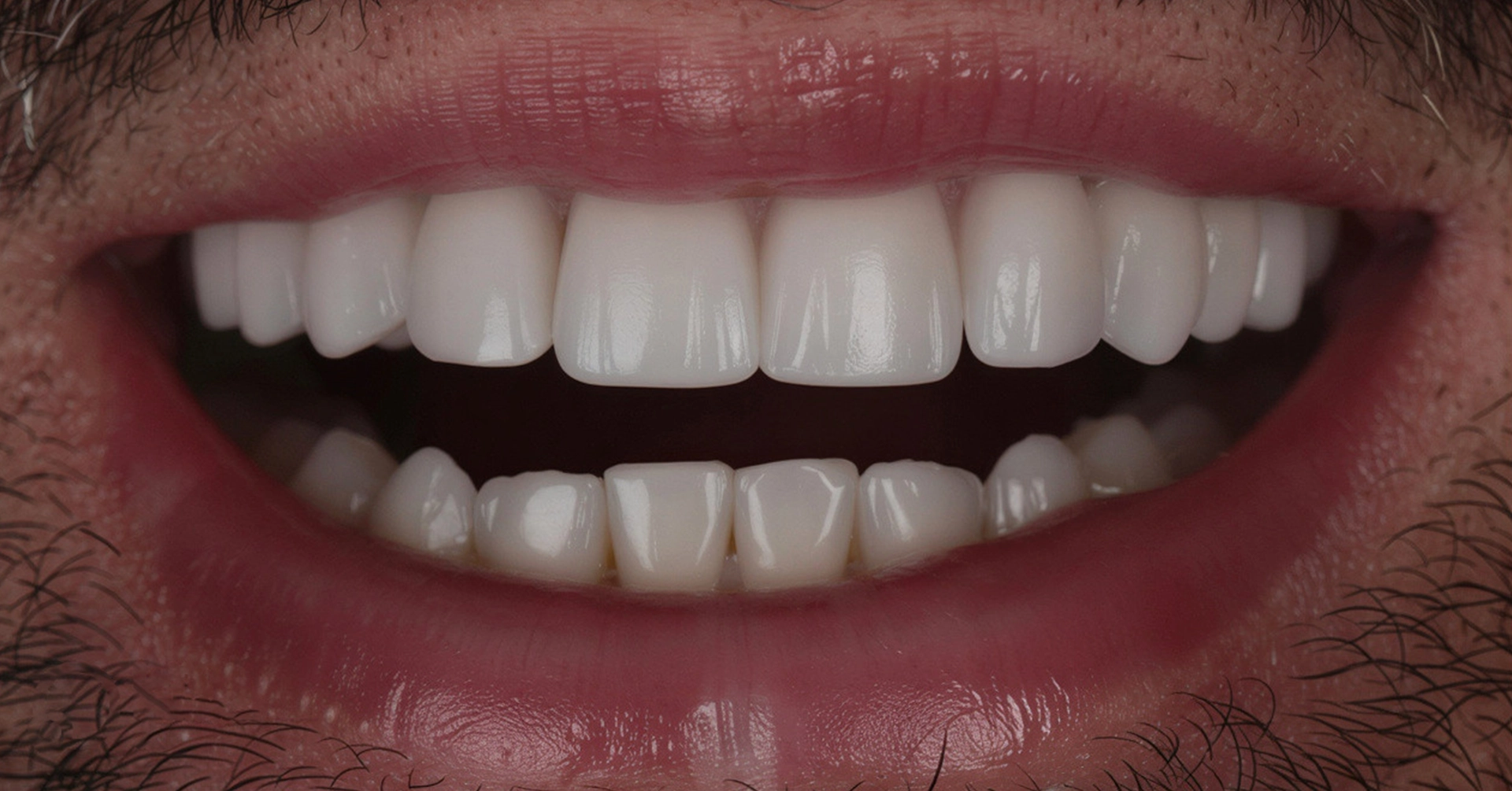
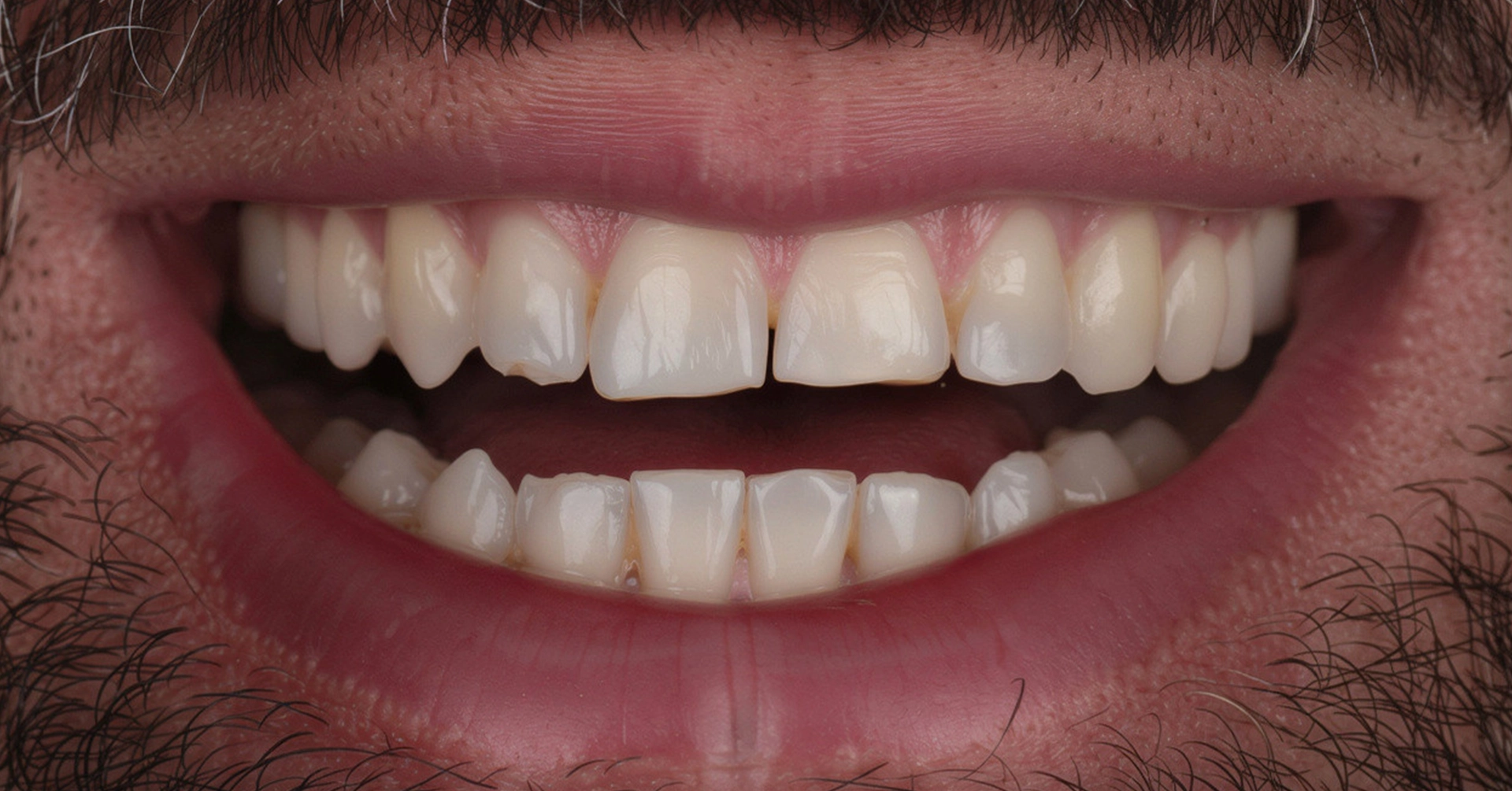
What Exactly Is a Dental Veneer?
A dental veneer is a thin custom shell bonded to the front surface of a tooth.
It is usually made from:
- porcelain (ceramic)
- composite resin
The veneer becomes a permanent outer layer that improves:
- color
- shape
- alignment
- symmetry
Because veneers cover only the visible front surface, they are considered a conservative cosmetic treatment compared to crowns.
How veneers cover stains, chips, gaps and uneven teeth
Imagine your teeth like a book cover.
The story inside — the healthy tooth structure — remains intact.
The veneer simply replaces the visible front page, correcting imperfections such as:
- deep stains that whitening cannot remove
- small chips or cracks
- uneven tooth edges
- minor spacing issues
The result is not a fake smile.
It is a refined version of your natural smile.
How veneers differ from crowns and dental bonding
Patients often ask a practical question:
“Why choose veneers instead of crowns or bonding?”
The difference lies in how much tooth structure is involved.
- Veneers cover only the front surface
- Crowns cover the entire tooth
- Bonding adds composite material directly to the tooth
Because veneers preserve more natural structure, they are often preferred when teeth are healthy but cosmetically imperfect.
What Dental Problems Can Veneers Fix?
Many patients think veneers are only for celebrities.
In reality, they solve everyday dental concerns that whitening or orthodontics cannot fully correct.
Stained or discolored teeth
Some stains are embedded deep inside enamel.
Coffee, wine, smoking, antibiotics, or aging can cause discoloration that whitening cannot remove.
Veneers completely mask these stains while maintaining a natural translucency.
Chipped or broken teeth
Small chips often happen gradually — biting hard foods, grinding, or minor trauma.
A veneer restores the original tooth shape while strengthening the front surface.
Gaps between teeth
Small spaces between teeth can make a smile appear uneven.
Veneers close these gaps without months of orthodontic treatment in selected cases.
Slightly crooked or uneven teeth
When misalignment is mild, veneers can create the appearance of straight teeth by reshaping visible surfaces.
For more significant misalignment, orthodontics may still be recommended.
Worn-down enamel
Teeth gradually lose enamel due to grinding or acid erosion.
Veneers restore the original tooth length and protect the remaining enamel.
Who Is a Good Candidate for Dental Veneers?
Not every cosmetic concern requires veneers.
A responsible dentist always evaluates whether veneers are truly the best option.
When veneers are the best cosmetic option
You may be a good candidate if:
- your teeth are healthy but cosmetically imperfect
- you want long-lasting smile enhancement
- whitening alone cannot solve the problem
- you want a predictable aesthetic outcome
When another treatment may be better
Sometimes a simpler solution works better.
Examples include:
- whitening for mild discoloration
- orthodontics for significant crowding
- crowns for severely damaged teeth
A proper consultation prevents unnecessary treatment.
This approach reduces risk — and builds trust.
What Are the Different Types of Dental Veneers?
Choosing veneers can feel overwhelming.
But most treatments fall into four main categories, each designed for different situations.
Understanding these differences removes much of the uncertainty patients feel.
Porcelain Veneers
Porcelain veneers are considered the gold standard of cosmetic dentistry.
They are crafted in a dental laboratory using advanced ceramic materials.
Why porcelain veneers look the most natural
Porcelain reflects light in a way that closely mimics natural enamel.
This allows veneers to show:
- depth
- translucency
- natural brightness
The result is a smile that looks enhanced, not artificial.
Durability and lifespan of porcelain veneers
Porcelain veneers are extremely durable.
With proper care they typically last:
10–20 years
They also resist staining from coffee, tea, and wine.
Composite Veneers
Composite veneers are created using tooth-colored resin applied directly to the tooth.
They are often completed in a single visit.
Pros and cons of composite veneers
Advantages:
- lower cost
- same-day treatment
- easy repairs
Limitations:
- shorter lifespan
- more susceptible to staining
How composite veneers compare to porcelain
Composite veneers usually last 5–7 years.
Porcelain veneers typically last twice as long and maintain color better.
No-Prep or Minimal-Prep Veneers
These veneers require little or no enamel removal.
They are ultra-thin and bonded directly to the tooth surface.
What makes no-prep veneers different
Traditional veneers may require slight enamel shaping.
Minimal-prep veneers preserve more natural tooth structure.
However, they are only suitable when teeth already have enough space.
When dentists recommend minimal tooth preparation
Dentists may recommend them when:
- teeth are slightly small
- spacing already exists
- enamel is healthy
Lumineers and Other Ultra-Thin Veneers
Ultra-thin veneers like Lumineers are extremely delicate ceramic shells.
They are thinner than traditional porcelain veneers.
Are ultra-thin veneers as durable as traditional veneers?
They can be durable but case selection is critical.
If teeth require significant reshaping, traditional veneers may be stronger.
Who benefits most from this type
Ultra-thin veneers work well for:
- small teeth
- minor discoloration
- minimal structural change
Porcelain vs Composite Veneers: Which Is Better?
Patients often ask a direct question:
“Which veneers should I choose?”
The answer depends on goals, longevity expectations, and budget.
Key Differences in Appearance
Porcelain offers superior translucency and light reflection.
Composite can look good but may appear less natural over time.
Differences in Cost
Composite veneers cost less initially.
However, porcelain often becomes more cost-effective long term because they last longer.
This is a classic healthcare decision: short-term savings vs long-term value.
Longevity and Durability Comparison
Typical lifespan:
- Composite: 5–7 years
- Porcelain: 10–20 years
Maintenance and Repairs
Composite veneers can be repaired easily.
Porcelain veneers rarely require repair but may need replacement if damaged.
Which Option Do Dentists in Antwerp Recommend?
For patients seeking maximum aesthetics and durability, cosmetic dentists often recommend porcelain veneers.
However, composite can be ideal for small improvements or budget considerations.
The Dental Veneer Procedure: Step-by-Step
Fear often comes from the unknown.
Understanding the process removes most anxiety.
Step 1 – Smile Consultation and Digital Assessment
Every veneer treatment begins with digital smile planning.
Dentists evaluate:
- facial proportions
- tooth shape
- bite alignment
Smile design and treatment planning
Modern clinics use Digital Smile Design (DSD) software to preview your new smile before treatment begins.
Patients often say this moment is when they realize the transformation is possible.
Step 2 – Tooth Preparation
A small amount of enamel may be reshaped to create space for the veneer.
How much enamel is removed?
Usually only 0.3–0.7 mm.
This is thinner than a fingernail.
The goal is always to preserve as much natural tooth structure as possible.
Step 3 – Temporary Veneers
Temporary veneers protect teeth while the final ones are created.
They also allow patients to test the new smile.
Step 4 – Final Veneer Placement
The final veneers are bonded using high-strength dental adhesive.
Once bonded, they become extremely secure.
Most treatments take 2–3 appointments over 2 weeks.
Are Dental Veneers Permanent?
This is one of the most common questions patients ask.
Can Veneers Be Removed or Replaced?
Yes.
Veneers can be replaced if necessary.
However, because enamel is slightly reshaped, veneers are considered a long-term commitment.
How Long Veneers Typically Last
Porcelain veneers:
15–20 years
Composite veneers:
5–7 years
What Happens If a Veneer Breaks or Falls Off?
Although rare, a veneer can be replaced.
Dentists simply remove the old veneer and bond a new one.
How Much Do Dental Veneers Cost in Antwerp?
Cost concerns often stop patients from exploring treatment.
But understanding pricing helps patients plan realistically.
Average Veneer Cost per Tooth
In Antwerp:
- Composite veneers: €300–€600 per tooth
- Porcelain veneers: €700–€1,200 per tooth
What Factors Influence Veneer Pricing?
Material type
Porcelain costs more due to laboratory fabrication.
Dentist expertise
Advanced cosmetic dentists invest years mastering smile design.
Lab technology
High-end labs use digital milling and layered ceramics.
Number of veneers
Treating multiple teeth can change the overall cost structure.
Are Veneers Covered by Insurance in Antwerp?
In most cases, cosmetic veneers are not covered by insurance.
Are Dental Veneers Safe for Your Teeth?
Patients often worry about long-term damage.
This concern is understandable.
Do Veneers Damage Natural Teeth?
When performed correctly, veneers do not harm healthy teeth.
The procedure is conservative and preserves most enamel.
Can You Get Cavities with Veneers?
Yes — but not on the veneer itself.
Cavities can still form on exposed natural tooth surfaces if oral hygiene is poor.
Are Veneers Bad for Enamel?
Properly placed veneers protect enamel rather than harm it.
How Natural Do Veneers Look?
The biggest fear patients have is simple:
“Will my teeth look fake?”
Modern veneers are designed to avoid that completely.
Modern Digital Smile Design
Digital imaging allows dentists to simulate final results before treatment begins.
Matching Shape, Color and Proportion
Dentists carefully design:
- tooth width
- length ratios
- smile curvature
The goal is facial harmony, not just white teeth.
Why High-End Dental Labs Matter
The dental lab is where artistry meets science.
Skilled ceramic technicians layer porcelain to replicate natural enamel depth.
How Long Do Veneers Last and How to Maintain Them
Veneers are durable — but they still require proper care.
Average Lifespan of Veneers
- Porcelain: 15–20 years
- Composite: 5–7 years
Daily Care and Oral Hygiene
Care is simple:
- brush twice daily
- floss regularly
- visit your dentist for checkups
Foods and Habits to Avoid
Avoid:
- biting ice
- chewing pens
- opening packages with teeth
Do Veneers Stain Over Time?
Porcelain veneers are highly stain resistant.
Composite veneers may discolor slightly over time.
Veneers vs Other Cosmetic Dentistry Options
Sometimes veneers are the best solution.
Other times, another treatment may work better.
Veneers vs Teeth Whitening
Whitening improves color.
Veneers improve color, shape, and alignment simultaneously.
Veneers vs Dental Bonding
Bonding is quicker but less durable.
Veneers provide superior aesthetics and longevity.
Veneers vs Dental Crowns
Crowns cover the entire tooth.
Veneers cover only the front surface.
Veneers vs Orthodontics (Invisalign)
Orthodontics moves teeth.
Veneers reshape them visually.
Often the best results combine both.
Risks, Limitations and Things to Consider Before Getting Veneers
Transparent information builds trust.
Every dental procedure has limitations.
Possible Sensitivity After Treatment
Some patients experience temporary sensitivity.
This usually resolves within a few days.
Irreversible Tooth Preparation
Because a thin layer of enamel may be removed, veneers are considered permanent.
Why Choosing an Experienced Dentist Matters
Cosmetic dentistry is both science and artistry.
An experienced dentist understands facial proportions, bite dynamics, and ceramic materials.
This dramatically affects the final result.
Why Patients in Antwerp Choose VIDENT for Dental Veneers
Choosing the right clinic matters as much as choosing the treatment.
Advanced Cosmetic Dentistry Technology
VIDENT uses modern digital imaging and precision planning tools.
Personalized Smile Design
Every smile is unique.
Treatment is tailored to each patient’s facial features and goals.
Experienced Cosmetic Dentists
Our team has extensive experience in aesthetic dentistry.
Where I walked in months ago with fear was completely gone in a few minutes. Very good dentist gives good explanations and knows his trade. I am now being treated for 2 implants and everything is perfect. Highly recommended.

Excellent professional. Every consultation was perfect and painless. Very satisfied with the final result of my dental implant. Assistants are friendly and professional.
For the moment, I have my temporary teeth on implants on top (so I’m not walking around toothless as I feared 🥳). I’m really so happy with this dentist (he’s really super good, in my opinion, an expert at his work! (He works really focused … More
Very satisfied with this practice. I ended up here with an urgent problem, and I didn’t hesitate to become a patient. The welcome was very warm. I had implants placed by Dr. Victor, which wasn’t obvious to me. He reassured me and went … More
Very satisfied. Whether it’s for a checkup, implant, or crown. Very professional and a fair price. Thanks to Victor, I have a radiant smile. And also a big shout-out to the super friendly Desi. TOP TEAM!!!
A very good professional and a person…Always willing to help….We are very satisfied🙂🙂😊😊A great dentist and person…Always listens, explains crowns, implants, he is the man…THANK YOU Dr. Viktor Petrov and Desislava Tsvetkova, you are great too….
Professional, hygienic, painless, and fast. Everything you could want from a dentist. You can also come here for implants and root canal treatments, all at a fair price and without a long wait.
High-Quality Dental Labs
We collaborate with elite dental laboratories specializing in cosmetic ceramics.
International Patient-Friendly Clinic
VIDENT welcomes both local and international patients seeking high-quality dental care in Antwerp.
Ready to See What Your Smile Could Look Like?
Many people live with a smile they feel unsure about for years.
The surprising part?
Often the solution is simpler than expected.
At VIDENT Antwerp, we begin with a no-pressure smile consultation where we analyze your teeth, show potential results digitally, and answer every question.
Ready to discover your perfect smile with dental veneers?
Book your personalized smile consultation at VIDENT Dental Care in Antwerp today.
📞 Call VIDENT Dental Care for a consultation — +32 468 42 86 77Frequently Asked Questions
1. Are dental veneers permanent?
Dental veneers are considered a long-term cosmetic dental solution, but they are not technically permanent. Most porcelain veneers last 15 to 20 years or longer with proper care. Because a small amount of enamel is usually removed during preparation, the procedure is generally irreversible, meaning the tooth will always need some type of veneer or restoration in the future.
2. Do dental veneers damage your natural teeth?
When performed by an experienced cosmetic dentist, veneers do not damage healthy teeth. A very thin layer of enamel is gently reshaped to allow the veneer to fit naturally. This process preserves most of the natural tooth structure while improving the appearance, shape, and color of the tooth.
3. Do veneers look natural?
Yes. High-quality porcelain veneers are designed to mimic the translucency, texture, and color of natural enamel. Modern digital smile design allows dentists to customize the shape, shade, and proportions of each veneer so they blend seamlessly with your natural teeth and facial features.
4. How many veneers do you need for a full smile makeover?
The number of veneers depends on your smile and cosmetic goals. Most smile makeovers involve 6 to 10 veneers on the upper front teeth, since these are the most visible when you smile. However, some patients achieve excellent results with as few as 2 to 4 veneers.
5. Are dental veneers painful?
The veneer procedure is generally painless. Dentists typically use local anesthesia during the preparation stage to ensure comfort. After the procedure, some patients may experience mild sensitivity for a few days, but this usually resolves quickly.
6. How long does the dental veneer procedure take?
Most veneer treatments require 2 or 3 appointments over 1 to 2 weeks.
- Consultation and tooth preparation
- Placement of the custom veneers
Temporary veneers may be placed between visits while your permanent veneers are being crafted in a dental laboratory.
7. Can veneers fix crooked or uneven teeth?
Dental veneers can improve the appearance of slightly crooked, uneven, or misaligned teeth by reshaping their visible surface. However, for significant orthodontic problems, treatments like Invisalign or braces may be recommended before veneers.
8. Do veneers stain over time?
Porcelain veneers are highly stain-resistant, meaning they maintain their color much longer than natural teeth. Unlike natural enamel, they are less affected by coffee, tea, wine, or smoking. However, maintaining good oral hygiene and regular dental cleanings helps keep both veneers and surrounding teeth looking their best.
9. Can veneers fall off or break?
Although veneers are very durable, they can occasionally chip, crack, or debond if exposed to excessive force such as teeth grinding, biting hard objects, or trauma. If a veneer becomes loose or damaged, it should be evaluated by a dentist as soon as possible.
10. Who is not a good candidate for dental veneers?
Veneers may not be recommended for patients with:
- severe tooth decay
- advanced gum disease
- significant teeth grinding (bruxism)
- insufficient enamel
In these situations, your dentist may suggest alternative treatments to restore dental health before considering cosmetic veneers.