Advanced Implant Dentistry for Cases That Demand Absolute Precision
VIDENT | Dr Petrov – Implantologist | Antwerp, Belgium
Complex dental implants cases are never just clinical.
If you are reading this page, you are not simply searching for a dental implant.
You are searching for certainty.
Certainty that your case has been encountered before.
Certainty that there is a clear, structured plan — not assumptions or guesswork.
Certainty that every variable has been evaluated long before treatment begins.
And above all, certainty that you are not facing complexity alone.
At VIDENT, complex implant cases are not an exception to our work — they are a central focus of what we do.
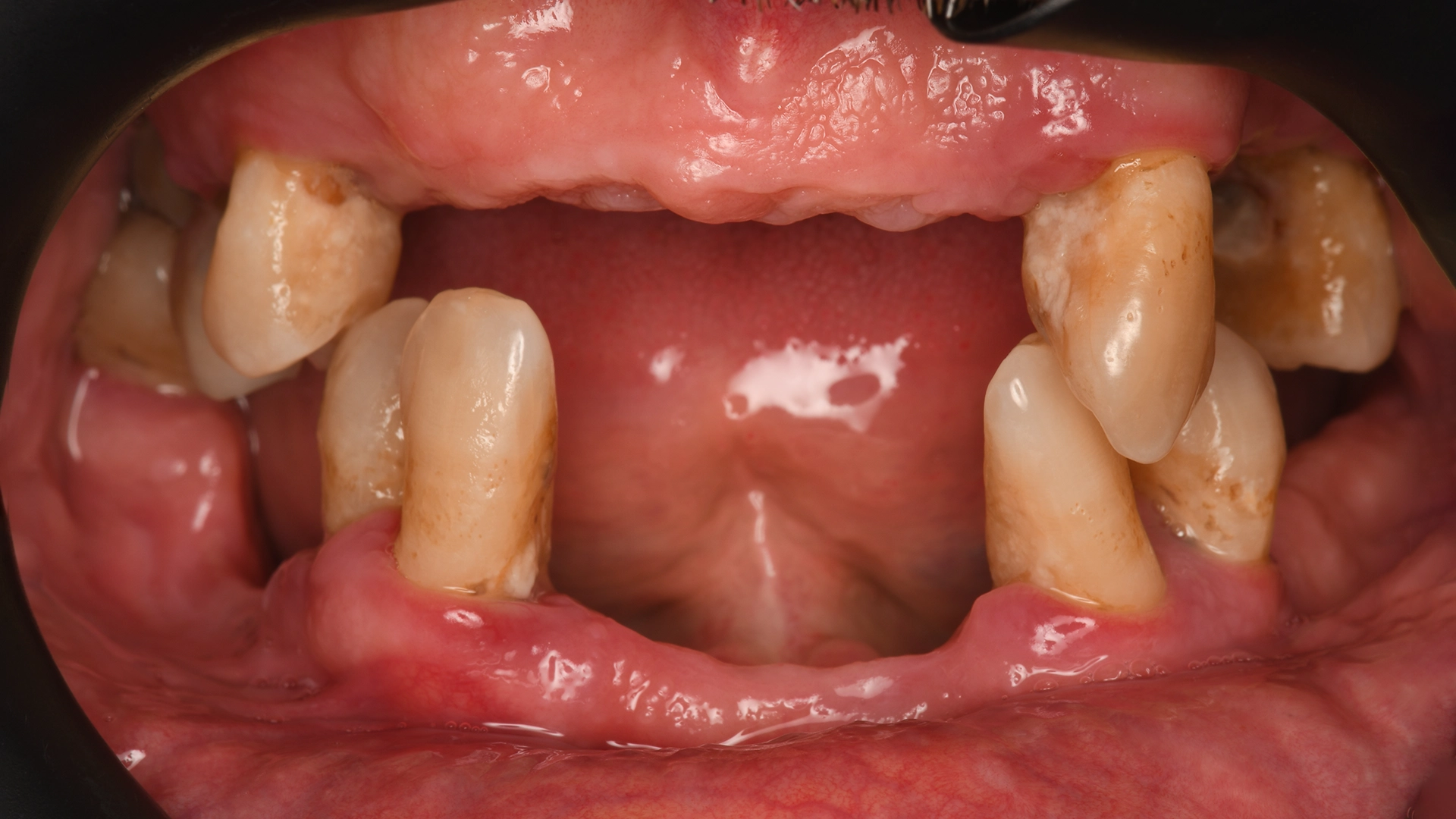
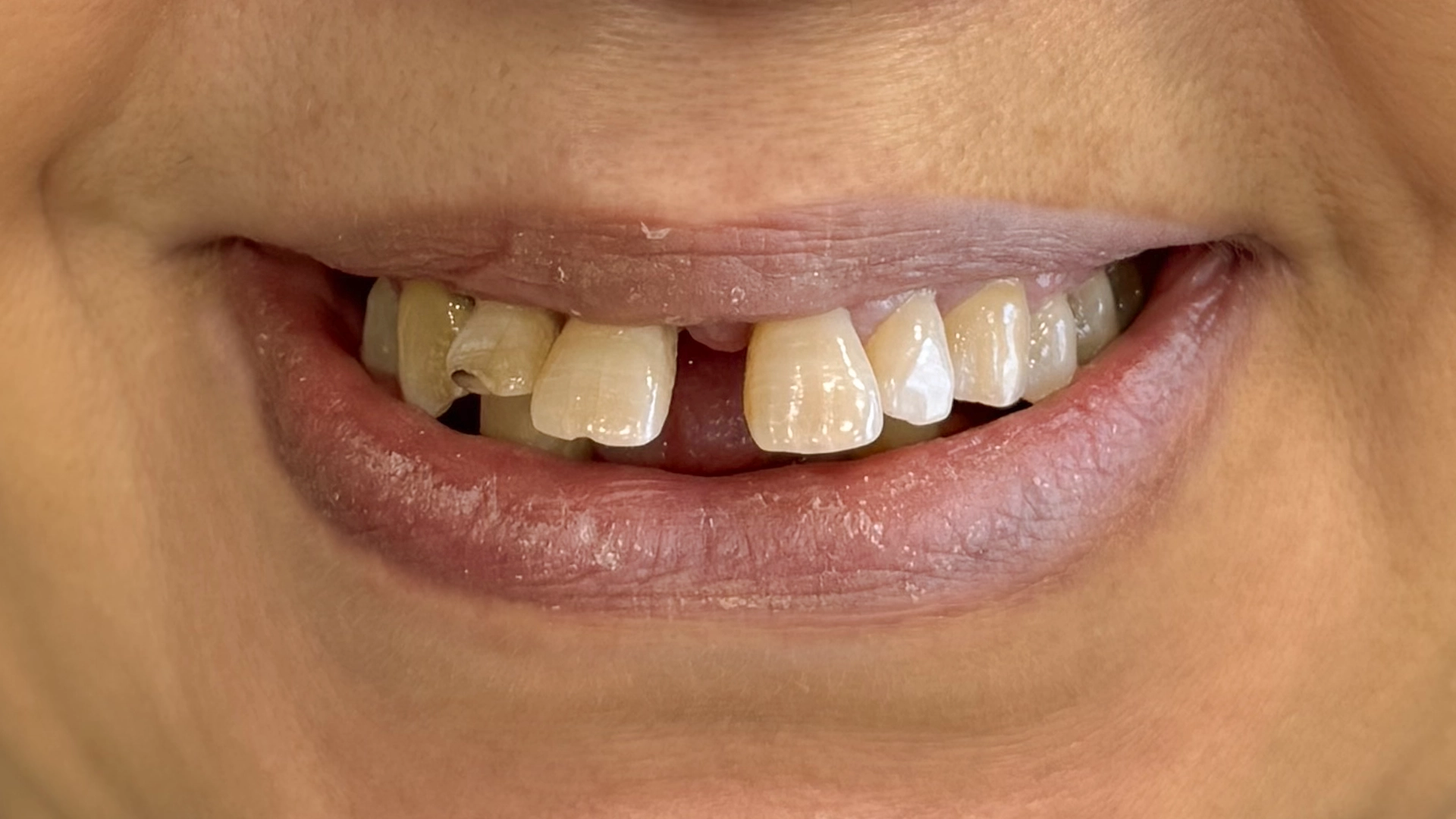
Patients come to us after being told they lack sufficient bone, require advanced grafting, or that their case is “too complicated.” We recognise not only the technical challenges behind those words, but also the emotional weight they carry.
This is not a fresh start.
This is not trial and error.
You are stepping into a system designed specifically for complexity — where advanced planning, specialist expertise, and precision-led decision-making come together to create predictability, even in the most demanding cases.
A complex implant case is not defined by a single issue.
It is defined by the need for advanced planning, specialist execution, and absolute precision.
Most complex cases involve one or more of the following:
Years without teeth naturally lead to bone loss. Where conventional dentistry sees limitations, we apply advanced bone grafting and regenerative techniques to rebuild the foundation required for long-term implant stability.
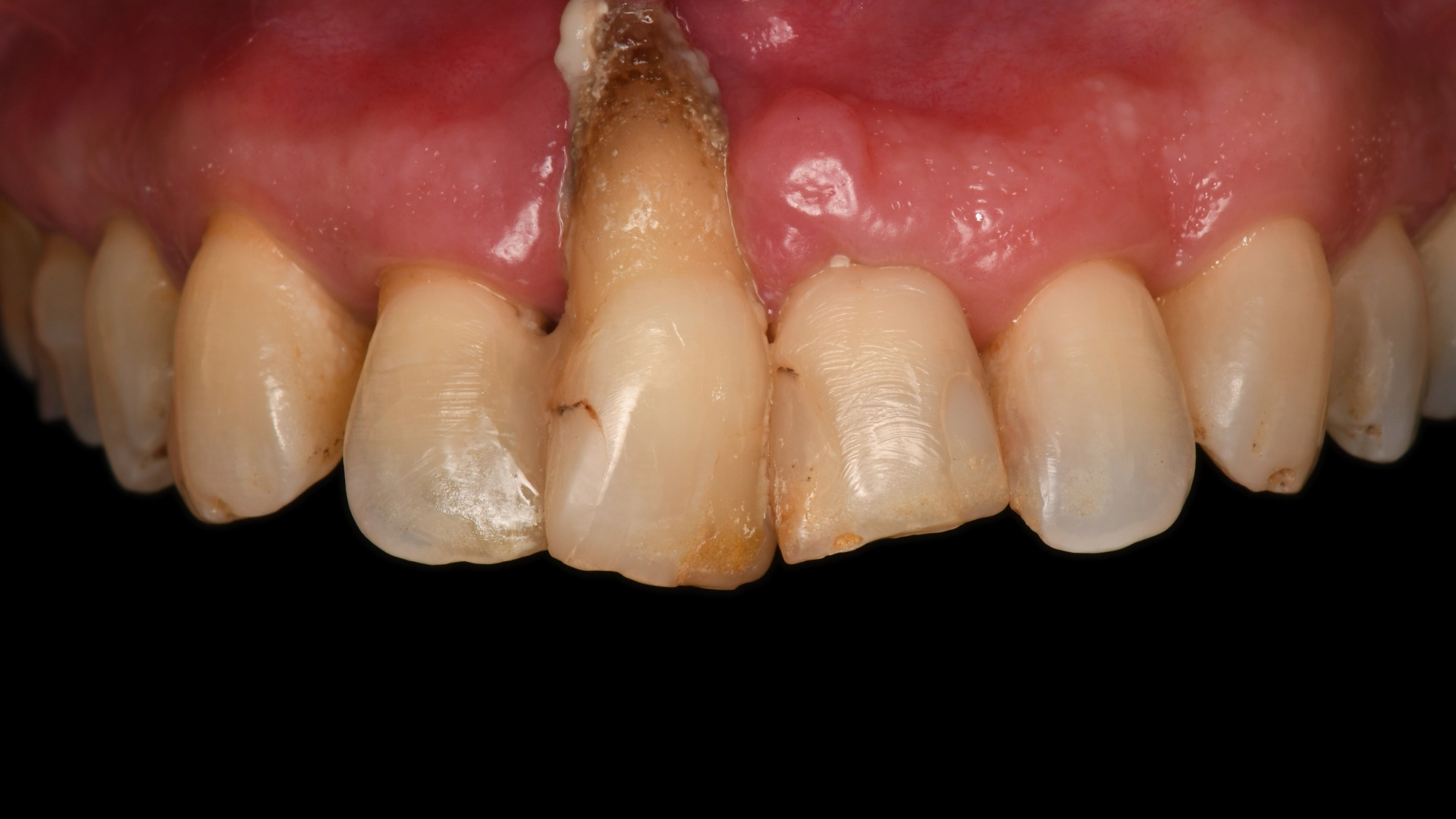
Healthy gum tissue is essential for both function and natural aesthetics. When tissue quality or volume is inadequate, specialist soft tissue grafting restores balance, protects implants, and ensures seamless integration with your smile.
In the upper posterior jaw, limited vertical bone due to sinus anatomy is common. Sinus lift procedures allow us to safely create the space needed for stable implants, without compromising sinus health or comfort.
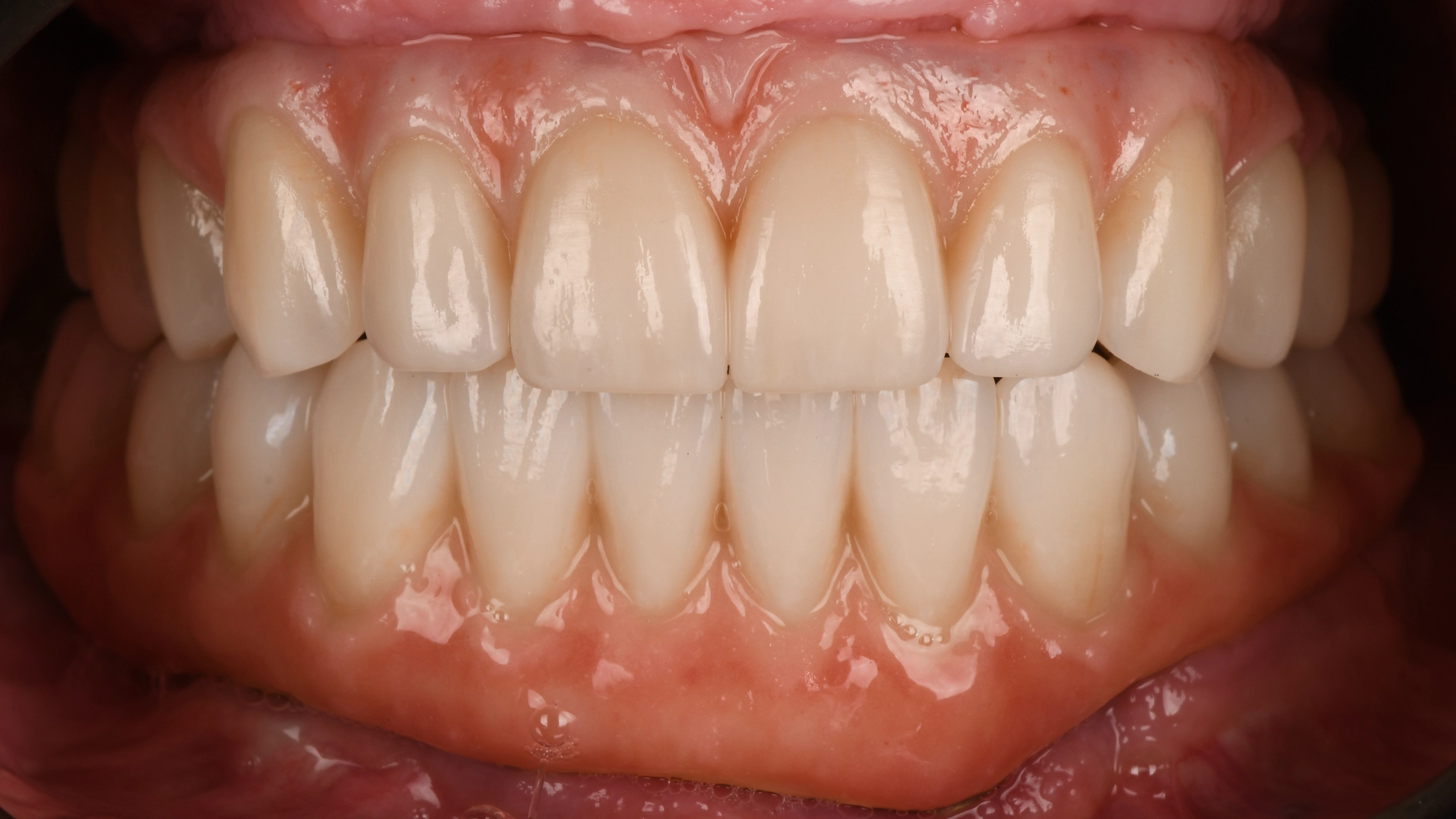
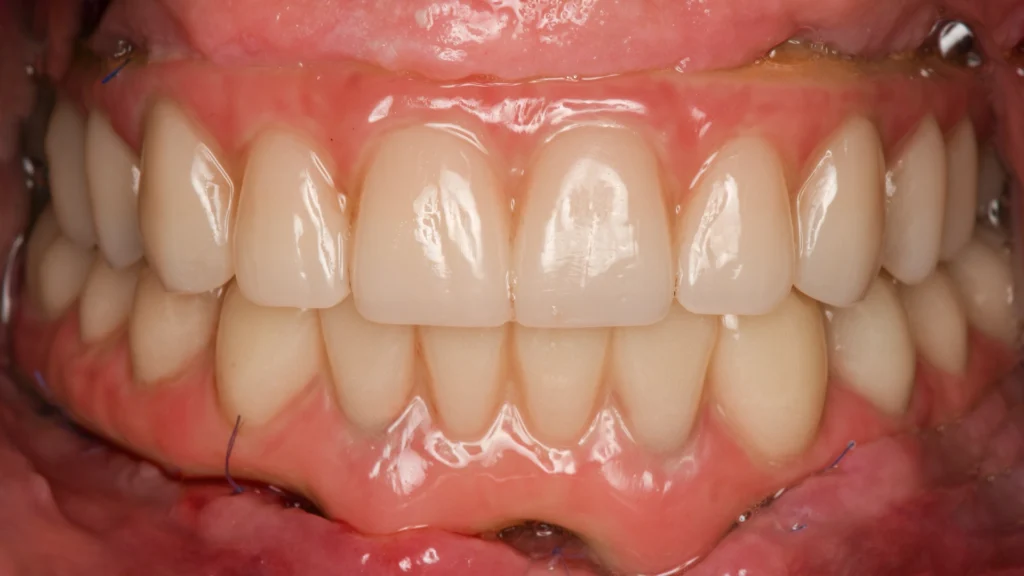
When several or all teeth are missing, full-arch implant solutions such as All on 4 or All on 6 enable complete smile rehabilitation using strategically placed implants — often avoiding extensive grafting while maximising existing bone.
Previous implant failure does not close the door. We routinely manage revision and rescue cases, addressing infection, poor implant positioning, or inadequate osseointegration using structured, evidence based protocols.
The common thread?
Each of these scenarios requires more than routine implant placement.
They demand specialist-level diagnosis, meticulous planning, and experience with complexity — before a single implant is placed.
Complexity does not demand speed.
It demands control.
Unlike conventional implant pathways that focus primarily on implant placement, our approach begins much earlier — by analysing structure, biology, function, and long term stability as one integrated system.
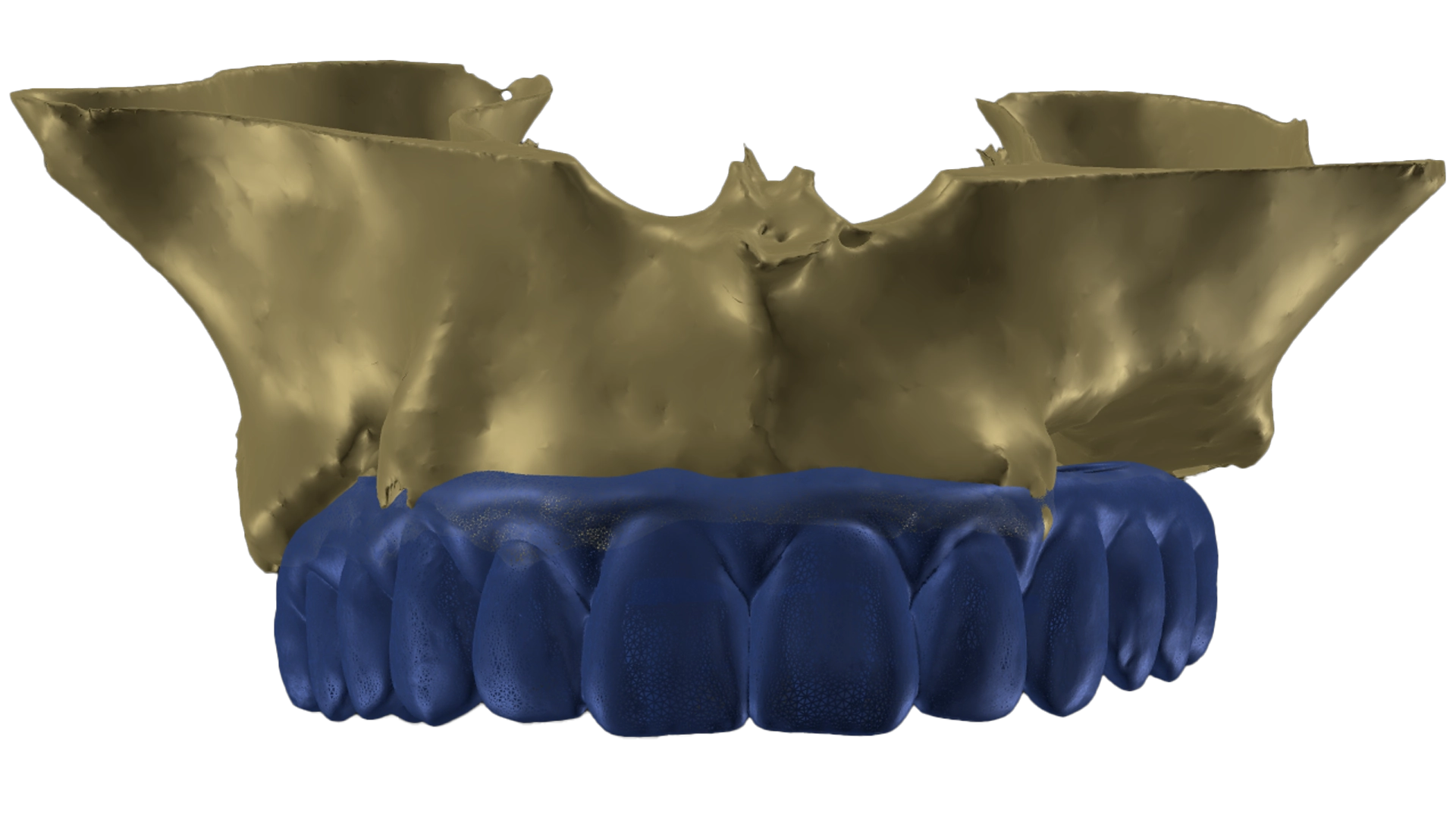
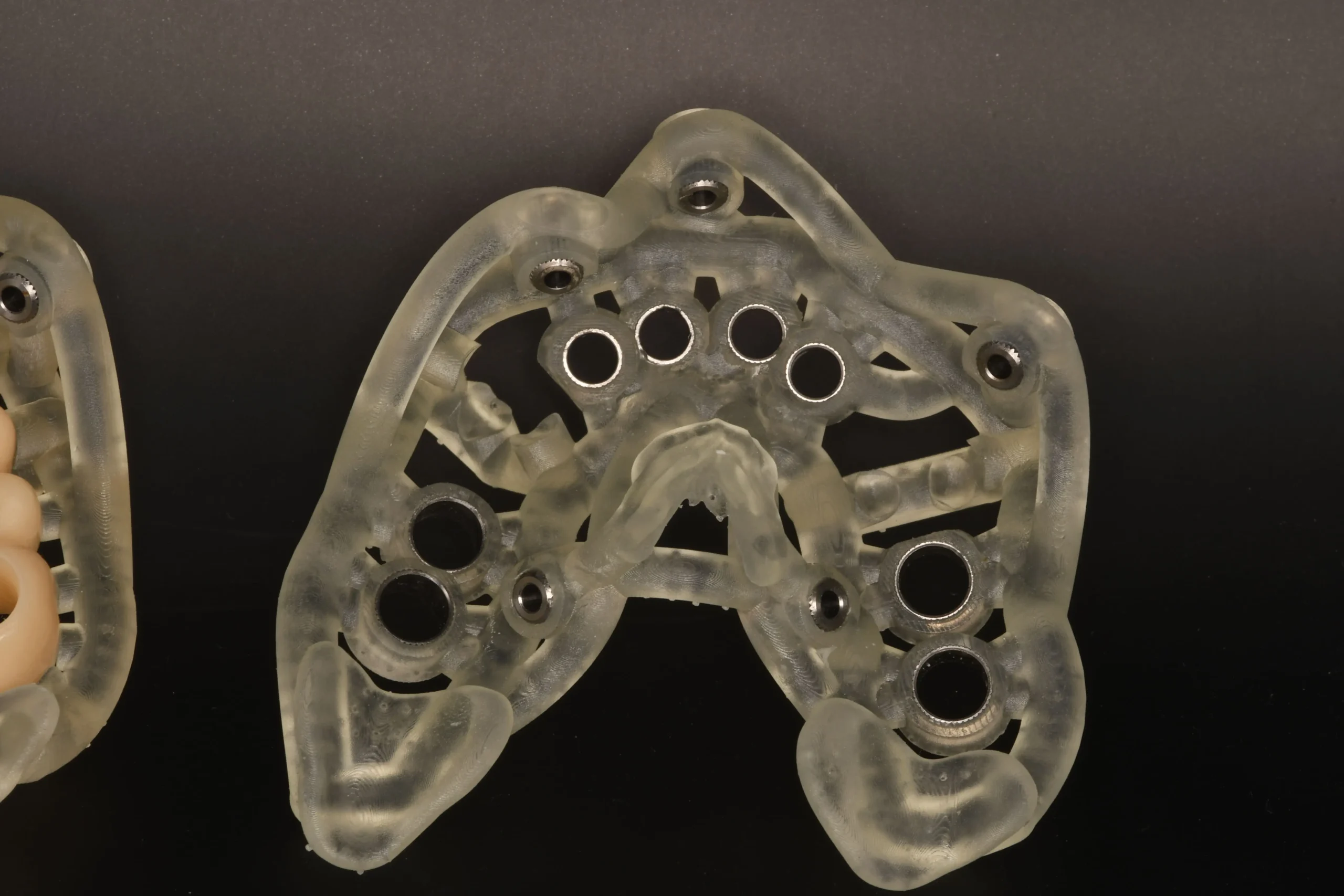
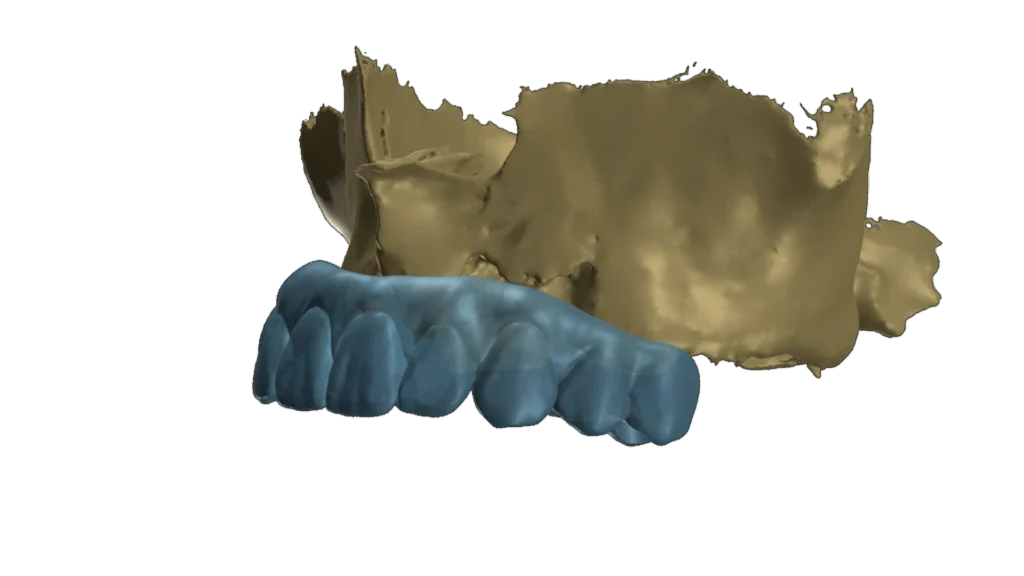
As an implantologist, Dr Petrov approaches complex implant cases from the final outcome backwards. Every decision — from bone regeneration and soft tissue management to precise implant positioning — is guided by how your teeth will function, feel, and appear years from now, not simply on the day of surgery.
This level of planning becomes essential in advanced scenarios such as:
In cases like these, rushing creates risk.
Complexity does not require urgency.
It requires structure, foresight, and specialist led decision making.
In many complex implant cases, insufficient bone volume is the primary limiting factor. Bone loss may result from long term tooth absence, periodontal disease, trauma, or previous unsuccessful treatments.
Rather than forcing implants into compromised conditions, we focus on rebuilding the foundation first.
At VIDENT, bone grafting is:
Whether bone deficiency is localised or extensive, grafting is planned with the final implant position in mind — not the other way around.
The goal is not simply “enough bone.”
The goal is the right bone, in the right volume, in the right position.
This philosophy significantly enhances implant longevity, functional stability, and aesthetic outcomes — particularly in complex cases and high visibility aesthetic zones.
Complex implant cases are rarely about bone alone.
The quality of the surrounding soft tissue plays a critical role in:
Soft tissue grafting allows us to create an environment where implants are not only stable, but biologically protected.
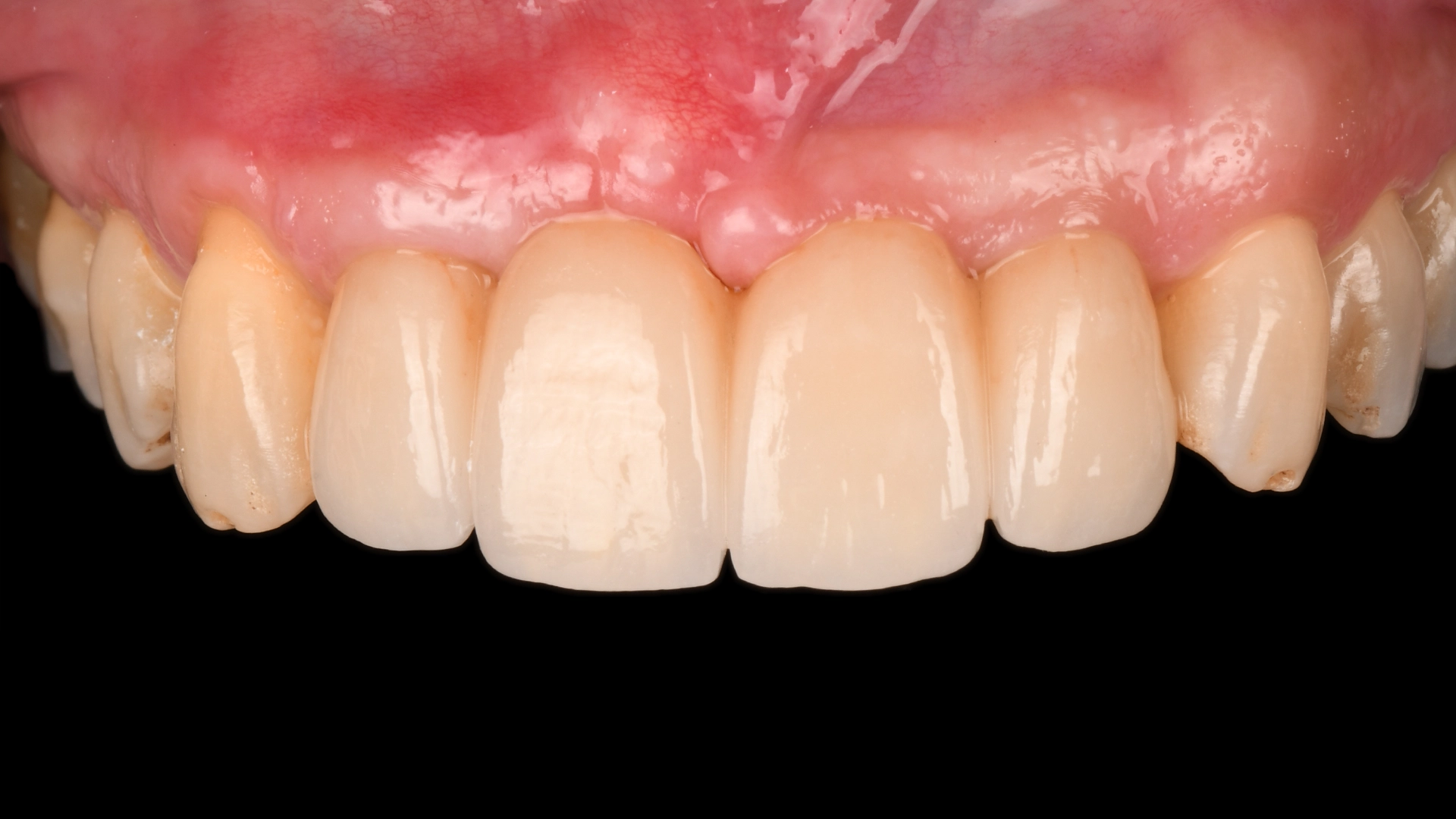
By carefully enhancing gum thickness, contour, and tissue quality, we reduce long term risks while improving the overall harmony of the smile — without drawing attention to the treatment itself.
The result should never look “treated.”
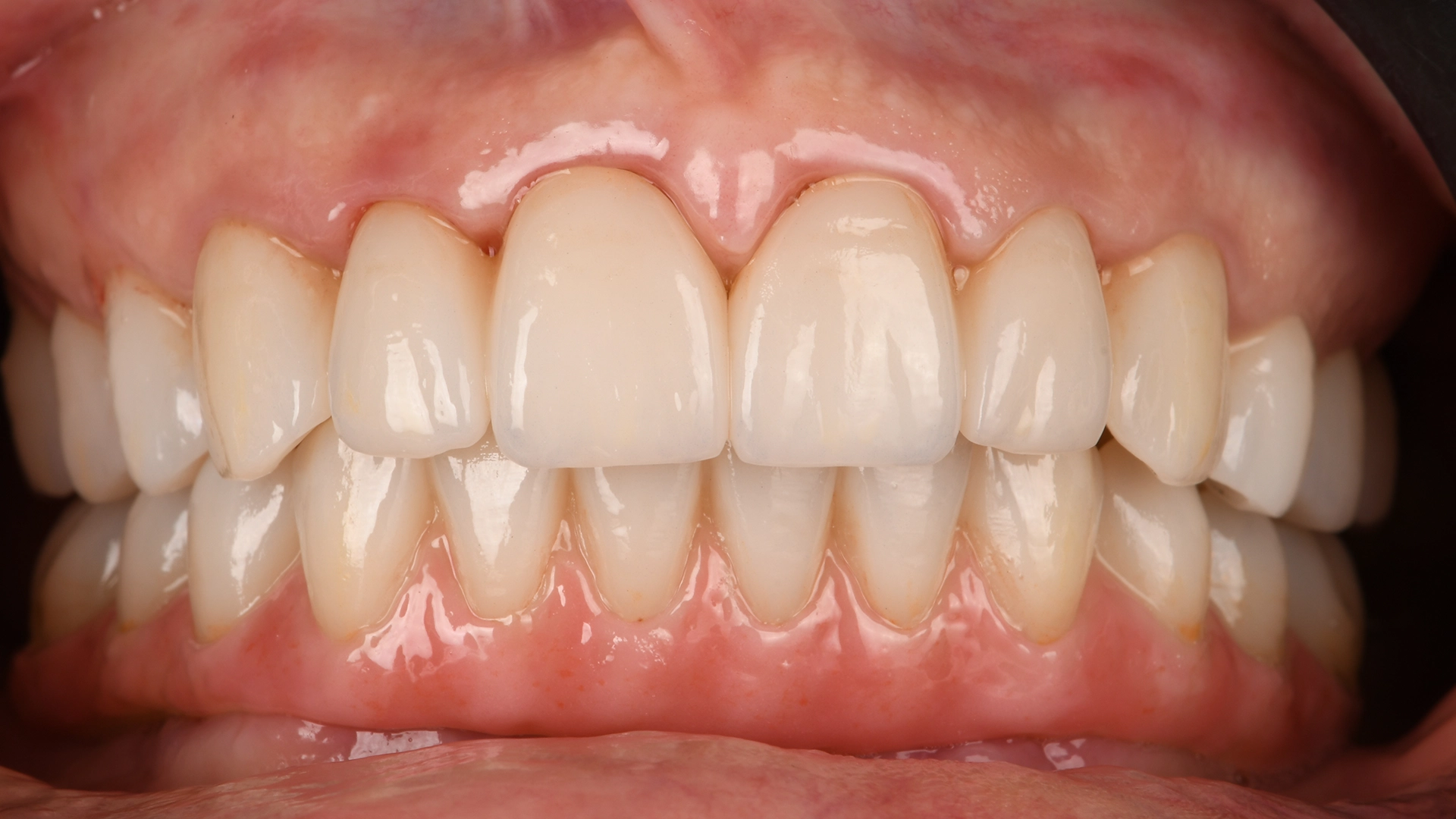
It should look natural, balanced, and unremarkable — in the best possible way.
In the upper jaw, particularly in the posterior regions, limited bone height due to sinus anatomy is a common constraint in implant treatment.
A sinus lift is not simply a technical procedure.
It is a precision based biological intervention where millimetres matter.
At VIDENT, sinus lift procedures are recommended only when clinically justified and are meticulously planned using advanced imaging and anatomical analysis. The objective is to safely create the vertical bone height required for long term implant stability — while fully respecting natural anatomical boundaries.
When integrated into a structured, specialist led treatment plan, sinus augmentation allows many patients who were previously told they were “not candidates” for implants to achieve predictable, functional outcomes.
The emphasis is never on doing more.
It is on doing only what is necessary — and doing it correctly.
For patients experiencing extensive tooth loss or failing dentition, full arch implant rehabilitation can be genuinely life changing — when it is done properly.
At VIDENT, we provide All on 4 and All on 6 implant solutions for suitable candidates, with a clear distinction between marketing promises and clinical reality.
Our approach is centred on:
All on 4 and All on 6 are not interchangeable solutions. The correct choice depends on bone availability, functional demands, bite forces, and the long term prognosis of each individual case.
By evaluating every patient individually, we ensure that the selected treatment supports durability, comfort, and ease of care — not just speed or short term convenience.
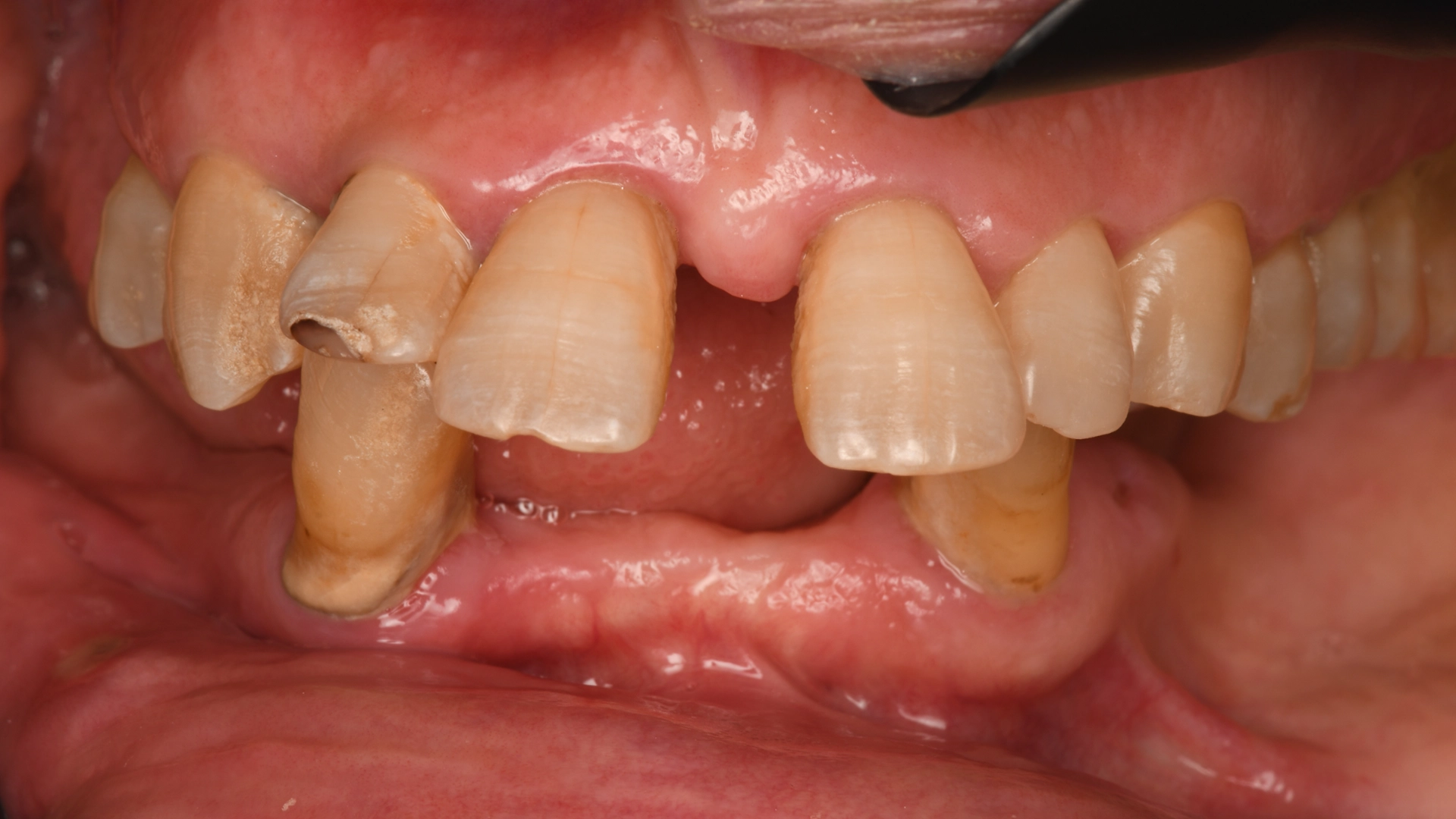
Contrary to popular belief, complex does not mean unpredictable.
It means the case requires a clinician who refuses to cut corners when anatomical challenges appear.
At VIDENT, complex cases succeed because they are managed through structure, documentation, and specialist led control — not improvisation.
Every case is photographed, measured, and followed systematically. Decisions are based on recorded data and long term results — not memory or assumptions.
We work exclusively with premium implant systems designed for demanding clinical scenarios. When osseointegration is challenging or immediate loading is required, implant design and engineering matter.
Complex procedures take time. Our sedation options ensure you remain comfortable throughout treatment, while continuous monitoring safeguards your wellbeing at every stage.
You receive a comprehensive, itemised treatment plan before treatment begins. Bone grafting, sinus lifts, temporary restorations, and final crowns are accounted for upfront. No unexpected costs appear midway through care.
Complex cases do not succeed by chance.
They succeed when every variable is anticipated, controlled, and planned for.
Stage One: Discovery & Design
No pressure. No surprises.
Stage Two: Precision Placement
Stage Three: Healing & Integration
Your implant becomes part of you.

Stage Four: Final Transformation
Designed to look — and feel — completely natural.
Stage Five: Lifelong Care (Ongoing)
Because implants are a long term investment — and we treat them that way.
Many of our patients arrive after hearing the same recommendation elsewhere: removable dentures.
Here, they discover something different.
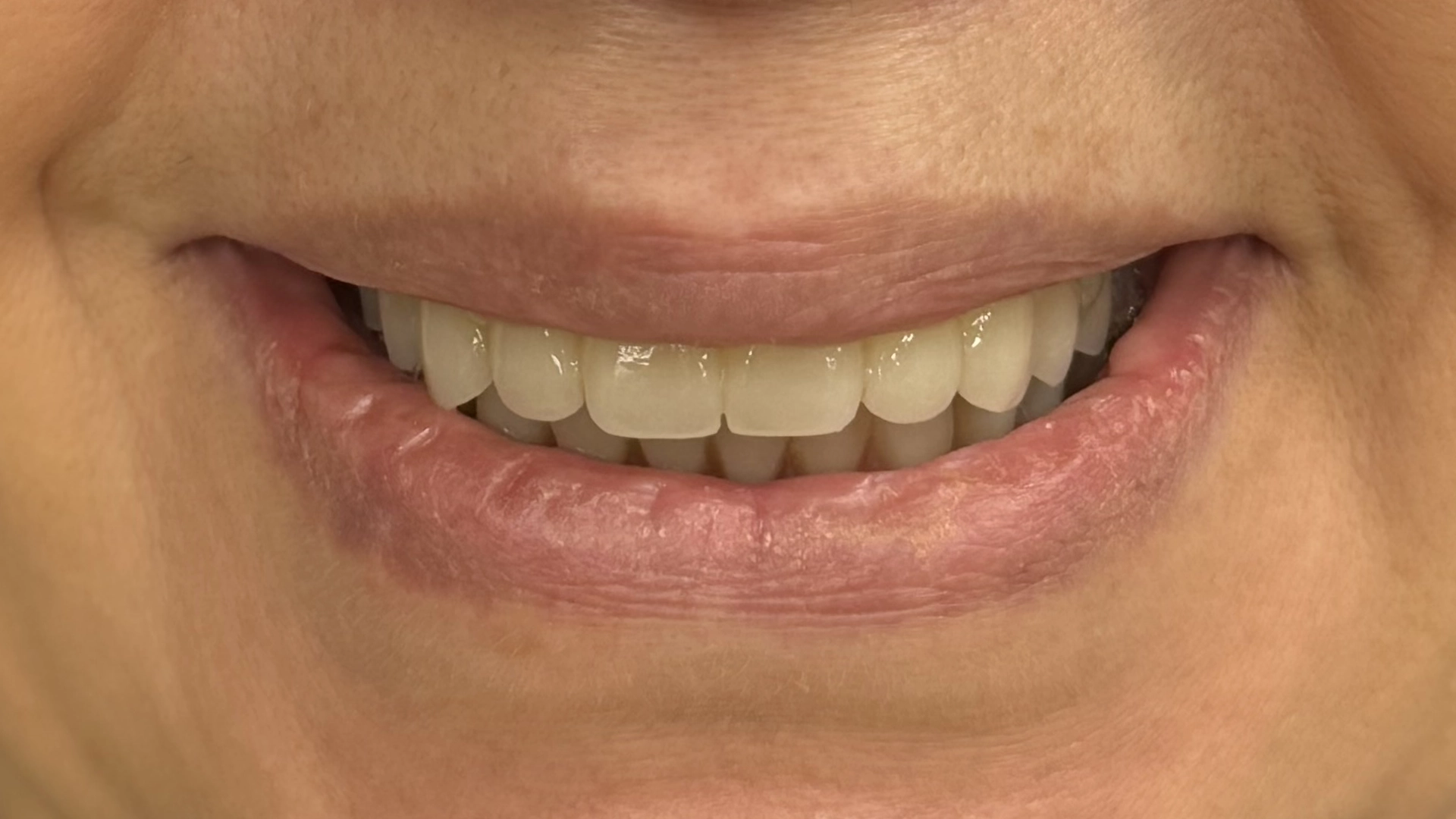
With advanced bone grafting, strategic implant placement, and specialist led planning, fixed teeth are often still achievable — even in cases previously considered unsuitable. That moment of realisation, when a patient understands their situation is not hopeless, is why specialist care matters.
The value is not simply in the procedure.
It is in the confidence that comes from working with a clinician who has solved the same complex problems repeatedly.
It is in outcomes that are predictable and supported by documented cases.
It is in a process where clinical decisions, timelines, and costs are clear — with no unexpected surprises along the way.
Patients travel across Antwerp not for convenience, but for certainty.
Complex implant treatment requires more than a single procedure.
It demands time, advanced materials, and specialist level decision making.
Our pricing reflects this reality — clearly and transparently.
You receive a complete, itemised financial breakdown during your planning consultation.
In complex care, clarity is not optional.
It is part of the treatment itself.
A comprehensive consultation allows us to assess your situation fully and determine the most appropriate pathway forward — without pressure, without urgency.
Imagine moving forward knowing that everything has been considered.
That is what we offer at VIDENT.
Yes. In many cases, failed dental implants can be successfully corrected or replaced.
For complex cases, the first and most critical step is identifying why the previous implant failed—such as bone loss, improper positioning, bite overload, or prosthetic design errors.
At VIDENT Clinic, treatment is designed backward from the ideal final result, not simply focused on re‑placing an implant. This comprehensive approach significantly reduces the risk of repeat failure.
Not necessarily. Lack of bone does not automatically rule out implant treatment.
In complex cases, advanced solutions such as:
may be considered. The decision is based not only on imaging, but on facial anatomy, bite dynamics, and long‑term aesthetic outcomes.
An implant case is considered complex when one or more of the following are present:
In these situations, success depends on experience, precise planning, and prosthetic‑driven treatment, not just surgical skill.
No. Treatment is carefully planned and performed in structured stages.
Modern anesthesia techniques allow procedures to be carried out with minimal discomfort, and the treatment plan is designed so that:
Many patients report that the anxiety before treatment was far greater than the treatment itself.
The key difference in complex implant cases lies in proper treatment design from the beginning.
Dr. Viktor Petrov starts every case by asking:
“What should the final tooth look like, feel like, and function like?”
Based on this vision, the implant position, angulation, prosthetic design, and material selection are determined.
The goal is to restore your tooth—not to create a tooth that doesn’t belong to your face or bite.
In some cases, yes. However, the real value lies in avoiding repeated failures and corrective treatments.
Low‑cost, poorly planned implant treatments often lead to:
In complex cases, treatment options and costs are explained transparently from the start, allowing patients to make informed and confident decisions.