

Quick Decision Guide
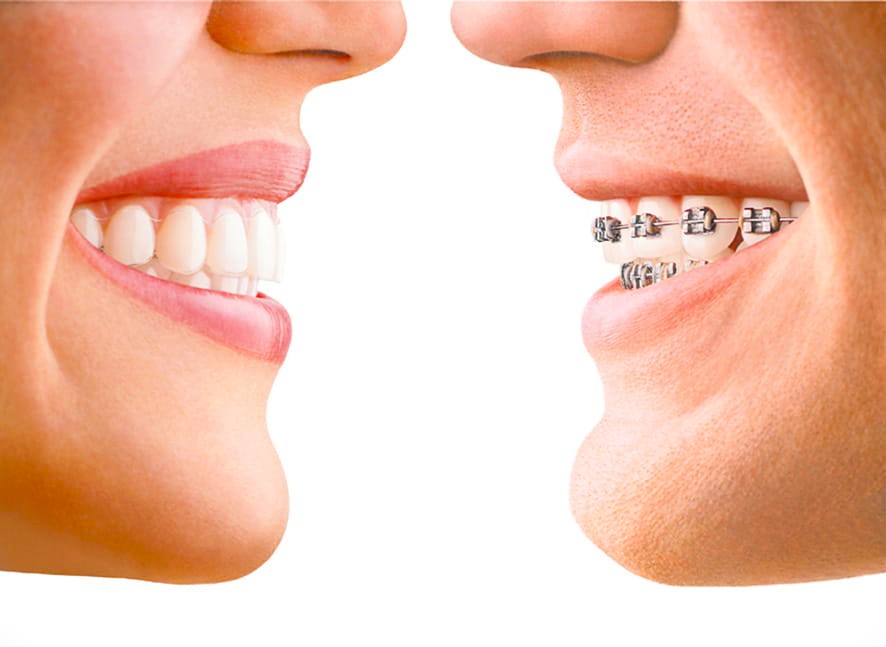
If you are trying to decide between clear aligners (like Invisalign) and traditional braces, here is the short version:
- Clear Aligners: Best for mild to moderate alignment problems, adults, and professionals who want a nearly invisible solution.
- Braces: Often better for complex bite problems, severe crowding, or major tooth rotations.
- Speed: Both treatments usually take 12–24 months, depending on complexity.
- Comfort: Aligners are smoother and removable; braces require more adjustment.
- Long-term stability: Both work equally well if retainers are worn after treatment.
- Cost in Antwerp: Typically €3,000–€6,500, depending on complexity.
The real question is not “Which is better?”
The real question is “Which is better for your specific teeth, lifestyle, and long-term smile stability?”
Why Patients in Antwerp Struggle to Choose Between Clear Aligners and Braces
Choosing orthodontic treatment often feels overwhelming. Many patients arrive at the clinic after hours of online research that left them more confused than confident.
They want a straight smile—but they also want certainty.
Why the decision is more complex than most websites explain
Most websites simplify orthodontics into a marketing battle: aligners vs braces.
In reality, the decision depends on several biological and lifestyle factors:
- Tooth position and rotation
- Bite relationship between upper and lower teeth
- Bone density and gum health
- Patient discipline and daily habits
- Age and growth stage
Two patients with similar crooked teeth may require completely different treatments.
The 7 Biggest Questions Patients Ask Before Starting Orthodontic Treatment
When people visit our Antwerp clinic, their concerns are surprisingly similar:
- Will aligners work for my case?
- Are braces faster?
- Which option hurts more?
- How visible are braces today?
- What happens if teeth move back later?
- How much will treatment cost?
- Will treatment interfere with work or social life?
Each question touches a deeper fear: making the wrong choice and regretting it later.
Common Myths Patients Hear About Invisalign and Braces
Patients often hear conflicting advice from friends or social media.
Common myths include:
- “Aligners only work for small corrections.”
- “Braces always work faster.”
- “Orthodontics is only for teenagers.”
- “Teeth always move back after treatment.”
The truth is more nuanced—and understanding it helps you avoid decisions that affect your smile for decades.
Why the Wrong Choice Can Affect Your Smile for Decades
Orthodontic treatment changes bone structure, tooth position, and bite function.
If the plan is poorly designed or the method unsuitable, problems can appear years later:
- Bite imbalance
- Tooth wear
- Jaw discomfort
- Relapse of crowding
The goal is not just straight teeth today.
The goal is a stable smile for life.
Next, let’s understand how each system actually works.
What Exactly Are Clear Aligners and How Do They Move Teeth?
Many people see aligners as simple plastic trays.
In reality, they are highly engineered orthodontic devices.
How clear aligners apply controlled orthodontic force
Clear aligners are transparent medical-grade plastic trays designed to gradually shift teeth using gentle pressure.
Each aligner moves teeth about 0.2–0.3 mm at a time.
You wear a series of aligners, usually changing them every 1–2 weeks.
Over months, these small movements create major alignment changes.
How treatment is digitally planned with 3D scanning
Modern aligner treatment begins with 3D intraoral scanning.
This creates a precise digital model of your teeth. Orthodontic software then simulates the entire movement sequence.
Patients can often see a preview of their future smile before treatment begins.
What types of tooth movement aligners can achieve
Clear aligners are excellent for:
- Mild to moderate crowding
- Small gaps between teeth
- Minor bite adjustments
- Cosmetic alignment improvements
For many adult patients, this is exactly what they need.
Where clear aligners struggle compared to braces
Some tooth movements require stronger mechanical control.
Aligners may struggle with:
- Large rotations of round teeth
- Severe bite corrections
- Vertical tooth movements
- Complex jaw relationships
This is where traditional braces still have advantages.
What Are Braces and Why They Are Still Considered the Gold Standard for Some Cases
Braces have evolved dramatically over the past two decades.
They are no longer the bulky metal systems many adults remember.
How fixed braces move teeth differently from aligners
Braces use brackets attached to teeth and an archwire connecting them.
This system allows orthodontists to apply continuous and highly controlled force in multiple directions.
That level of control is why braces remain essential for complex cases.
Types of braces used in modern orthodontics
Modern orthodontics includes several brace systems:
- Metal braces – smallest and most precise
- Ceramic braces – tooth-colored for better aesthetics
- Self-ligating braces – designed for smoother movement
Each has specific clinical advantages.
When orthodontists strongly recommend braces instead of aligners
Dentists often recommend braces when treating:
- Severe crowding
- Significant bite discrepancies
- Complex rotations
- Growing teenagers with jaw development issues
In these cases, braces offer predictability and efficiency.
How modern braces are smaller and more comfortable than older systems
Modern brackets are smaller, smoother, and more biomechanically advanced.
Many patients are surprised to discover that braces today feel far more comfortable than expected.
Clear Aligners vs Braces: Which Is More Effective for Different Dental Problems?
The most important question patients ask is simple:
Which treatment will actually fix my problem?
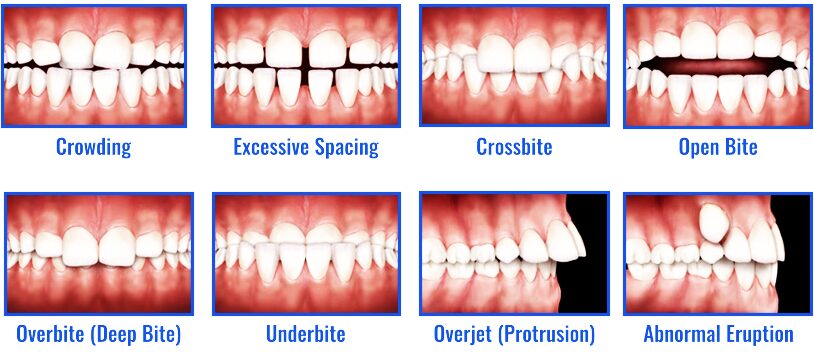
Crowded teeth
Both aligners and braces work well for mild to moderate crowding.
Severe crowding often responds better to braces.
Gaps between teeth
Aligners are excellent at closing small to moderate gaps.
Overbite
Mild overbite corrections can be treated with aligners.
Moderate or severe overbites may require braces or combined orthodontic techniques.
Underbite
Underbites often involve jaw positioning, which may require braces or surgical collaboration.
Crossbite
Both treatments can work, depending on severity.
Severe rotations
Braces typically perform better when teeth must rotate more than 20–30 degrees.
Complex jaw alignment issues
Complex skeletal problems may require orthodontics combined with jaw surgery.
Which Option Works Faster? Treatment Time Explained
Many patients want to know one thing: How long will this take?
Average treatment time with clear aligners
Most aligner cases last 12–18 months.
Simple cosmetic corrections may finish sooner.
Average treatment time with braces
Braces often take 18–24 months, especially for complex cases.
Factors that can make treatment longer
Treatment duration depends on:
- Severity of alignment issues
- Bone response to movement
- Patient age
- Compliance with instructions
Why patient compliance is critical with aligners
Aligners must be worn 20–22 hours per day.
Removing them too often can delay treatment significantly.
Long Term Stability: Which Option Keeps Teeth Straight for Life?
Patients often fear relapse.
This concern is valid—but the solution is simple.
Why teeth naturally try to shift back
Teeth are held in place by periodontal ligaments.
These tissues have memory and can pull teeth back toward their original positions.
The role of retainers after treatment
Retainers stabilize teeth while bone remodels.
Most orthodontists recommend nighttime retainer wear indefinitely.
Relapse risk with aligners vs braces
Relapse risk is similar for both treatments.
Retention—not treatment type—determines stability.
What actually determines long term stability
Key factors include:
- Retainer use
- Bite balance
- Gum health
- Orthodontic planning quality
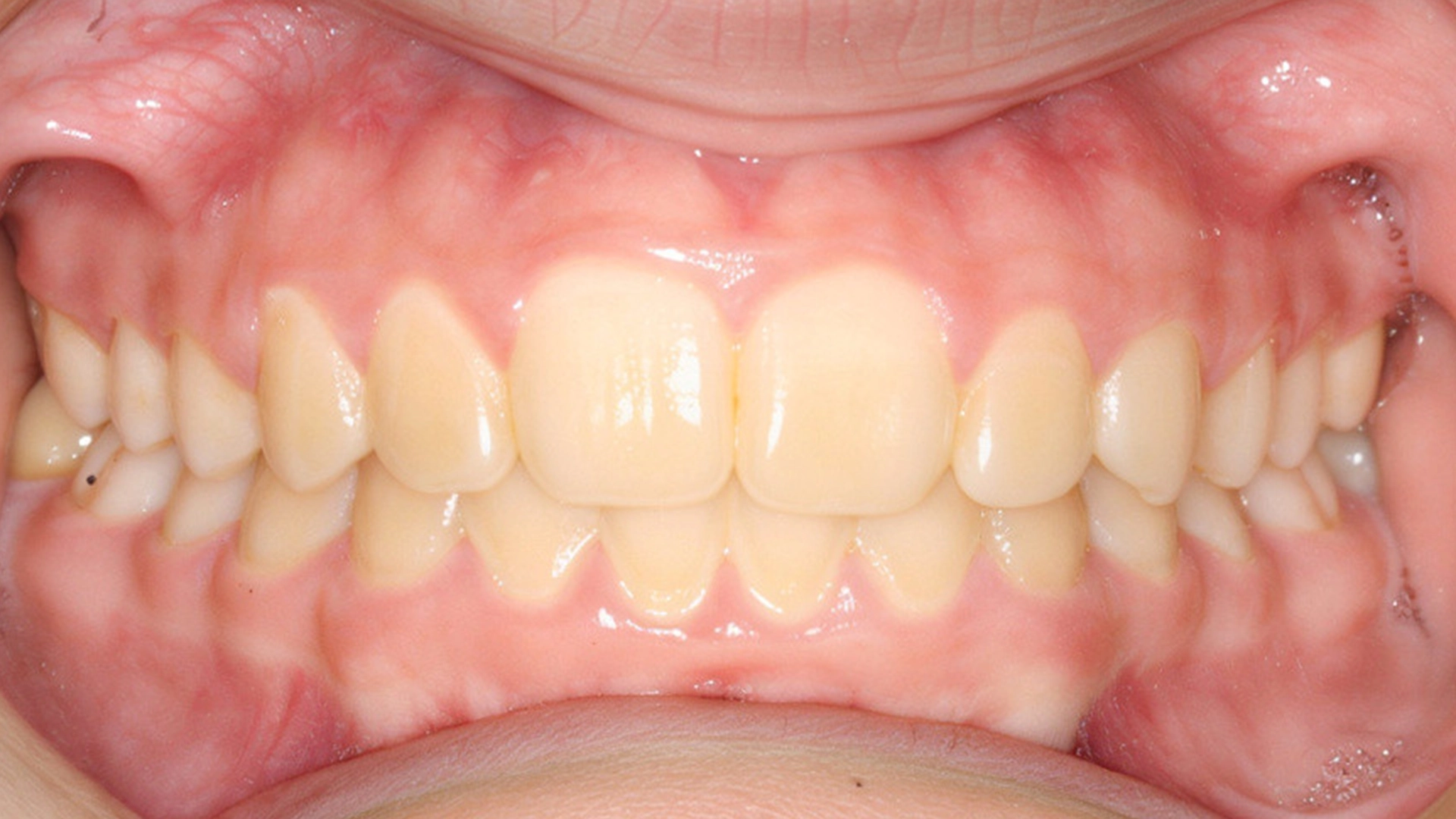
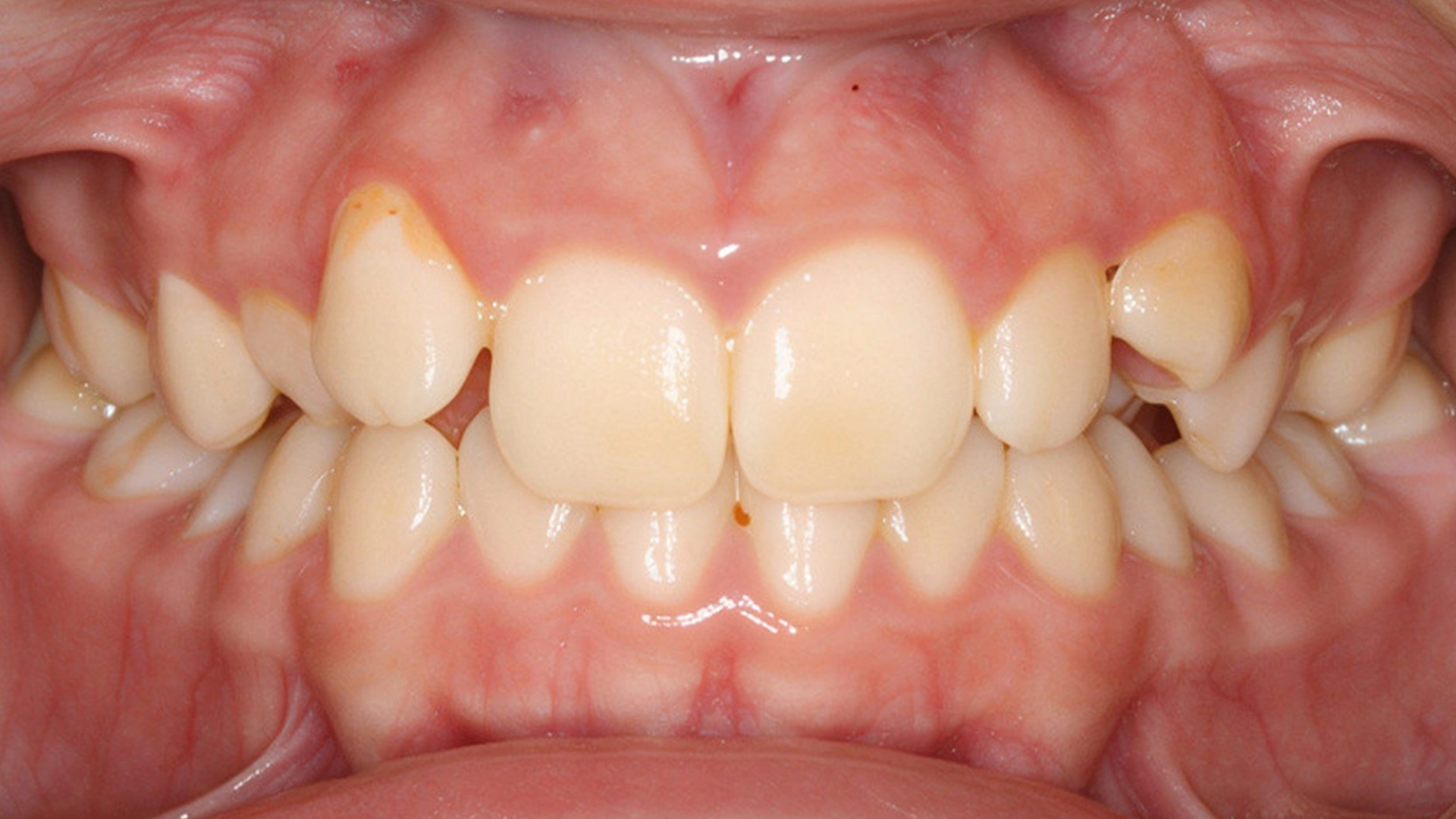
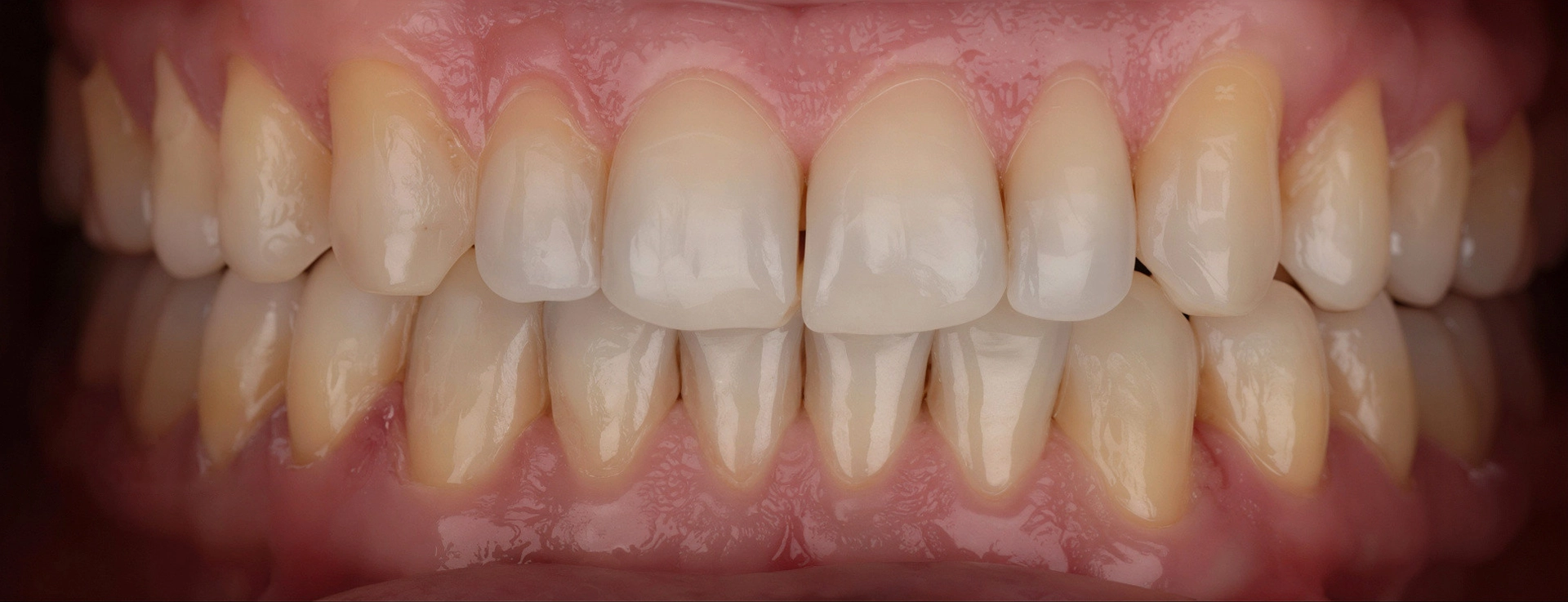
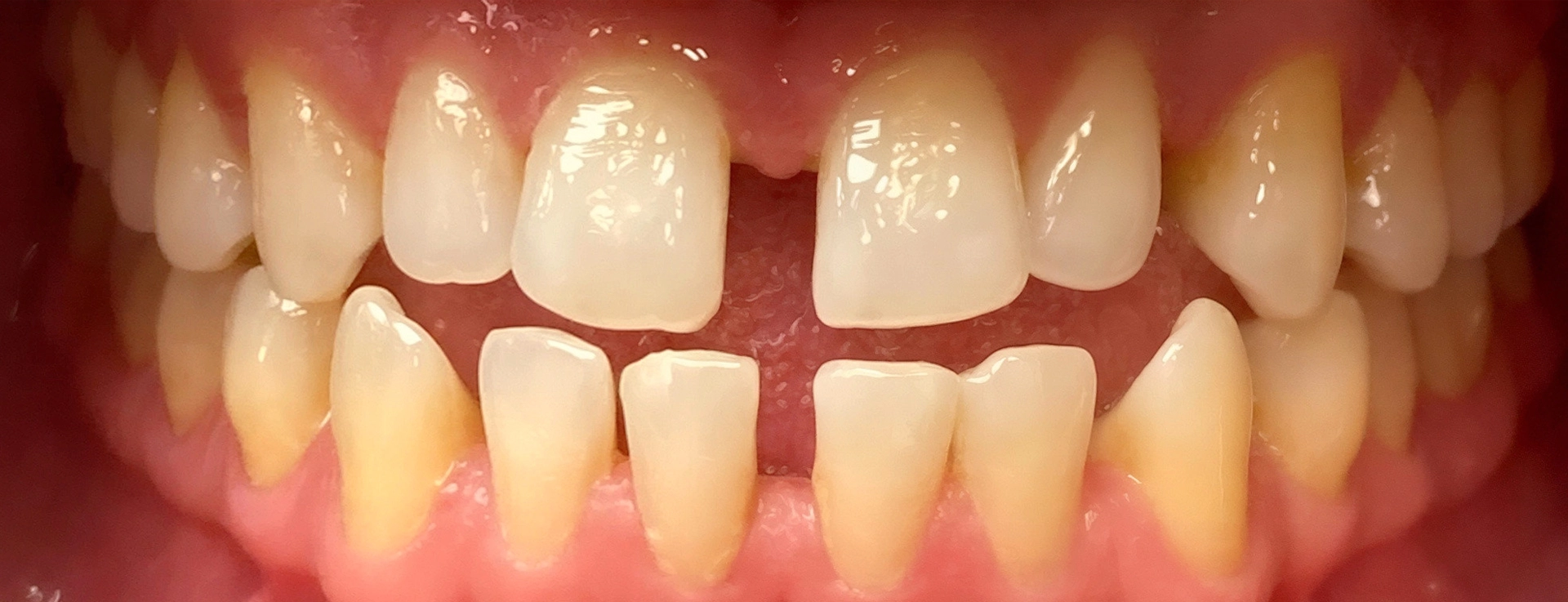
Before & After — Real Patient Results
With proper orthodontic planning, patients achieve beautiful, stable smile transformations that last a lifetime.
Comfort and Daily Life: Eating, Speaking, Working and Social Confidence
Orthodontic treatment affects everyday life.
But the impact may be smaller than you imagine.
Pain levels during the first weeks
Both systems cause mild pressure during adjustments.
Most discomfort lasts 2–3 days.
Speech changes with aligners
Some patients notice a slight lisp initially.
This usually disappears within a few days.
Eating restrictions with braces
Hard or sticky foods should be avoided.
Lifestyle flexibility with removable aligners
Aligners can be removed for:
- meals
- important meetings
- special events
Which option professionals prefer for work and social settings
Many professionals choose aligners because they are almost invisible.
Cost of Clear Aligners vs Braces in Antwerp
Cost is often the final deciding factor.
But focusing only on price can be misleading.
Average price range in Belgium
Orthodontic treatment in Antwerp typically ranges between:
€3,000 – €6,500
Complex cases may cost more.
Why aligners sometimes cost more
Aligners involve:
- advanced digital planning
- custom manufacturing
- multiple aligner sets
What determines orthodontic treatment cost
Key factors include:
- treatment complexity
- duration
- technology used
- dentist expertise
Insurance and reimbursement options in Belgium
Belgian health insurance may provide partial orthodontic reimbursement for younger patients.
Adults often rely on supplementary dental insurance.
Is the more expensive option always better?
No.
The best treatment is the one that corrects your bite properly and stays stable long-term.
Risks and Possible Complications Patients Should Know
Every medical treatment has potential risks.
Transparency builds trust.
Root resorption risk
In rare cases, orthodontic forces may shorten tooth roots slightly.
This is usually minimal and monitored carefully.
Tooth decay and hygiene challenges with braces
Braces make cleaning more difficult.
Good oral hygiene prevents white spots and cavities.
Lost or damaged aligners
Aligners can be misplaced, which may delay treatment.
Treatment delays caused by poor compliance
Skipping aligner wear or missing appointments slows progress.
When orthodontic treatment may not work as planned
Biological variation means teeth sometimes move slower than predicted.
Experienced orthodontic monitoring minimizes this risk.
Clear Aligners vs Braces for Adults
More adults than ever are choosing orthodontic treatment.
Often after years of postponing it.
Why more adults are choosing orthodontic treatment
Adults realize that a confident smile influences professional and social interactions.
Best options for working professionals
Clear aligners are often preferred because they are discreet.
Treatment considerations for patients over 30 or 40
Bone density and gum health must be carefully evaluated.
Managing orthodontics with gum health concerns
Healthy gums are essential before starting treatment.
Clear Aligners vs Braces for Teenagers
Teenagers have different needs.
Growth and behavior both play a role.
Compliance challenges in teenagers
Aligners require discipline.
Some teens forget to wear them enough.
Sports safety considerations
Aligners can double as protective mouthguards during sports.
School and social confidence
Aesthetic concerns often influence treatment preference.
When braces may still be the better option for teens
For severe orthodontic issues, braces provide constant control regardless of compliance.
Which Orthodontic Problems Cannot Be Treated With Clear Aligners?
Although aligners are powerful, they have limits.
Severe bite problems
Large bite discrepancies often require braces.
Large tooth rotations
Round teeth rotating significantly respond better to braces.
Major jaw discrepancies
Skeletal issues may require combined orthodontic and surgical care.
When combined orthodontic and surgical treatment is required
Jaw surgery may be recommended for major skeletal imbalances.
How Dentists Decide the Best Option for Each Patient
Choosing the right treatment is a structured clinical process.
Clinical examination
Dentists evaluate:
- tooth position
- bite function
- jaw symmetry
Digital scans and bite analysis
3D scans allow millimeter-level treatment planning.
Bone and gum health evaluation
Healthy supporting tissues are essential for safe tooth movement.
Personal lifestyle considerations
Treatment must fit your daily life and discipline level.
What the Treatment Journey Looks Like at VIDENT Antwerp
Orthodontic treatment is a step-by-step process.
Understanding it reduces anxiety.
Initial consultation and smile assessment
The first visit includes:
- examination
- discussion of goals
- digital scanning
3D digital smile simulation
Patients often see a simulation of the final smile.
Custom treatment planning
A personalized orthodontic roadmap is created.
Regular progress monitoring
Follow-ups ensure teeth move safely and efficiently.
Retention phase after treatment
Retainers preserve your results long-term.
Before & After — Smile Transformation
With expert orthodontic planning at VIDENT Antwerp, patients achieve confident, lasting smile results through personalized treatment.
Clear Aligners vs Braces: A Dentist’s Final Recommendation
After evaluating thousands of orthodontic cases, the conclusion is simple.
When aligners are the best choice
- Mild to moderate alignment issues
- Adults and professionals
- Patients seeking discreet treatment
When braces are clearly the better solution
- Severe crowding
- Major bite problems
- Complex tooth movements
When both options can work equally well
Many patients qualify for either system.
In those cases, lifestyle preference becomes the deciding factor.
Book a Professional Orthodontic Consultation at VIDENT Antwerp
Who should consider orthodontic treatment
You may benefit if you notice:
- crooked teeth
- gaps
- bite problems
- shifting teeth after past treatment
What you will learn during your consultation
Your consultation includes:
- detailed dental evaluation
- digital smile scan
- personalized treatment options
How to schedule your smile assessment
The next step is simple.
Schedule a consultation and discover which orthodontic solution truly fits your smile, your lifestyle, and your long-term health.
Your future smile begins with a clear plan.
Ready to discover the best orthodontic option for your smile?
Book your personalized orthodontic consultation at VIDENT Dental Clinic in Antwerp today.
📞 Call VIDENT Dental Clinic for a consultation — +32 468 42 86 77Frequently Asked Questions
Are clear aligners as effective as braces?
Yes, clear aligners can be as effective as braces for many orthodontic cases, especially mild to moderate crowding, gaps, and minor bite problems.
However, braces may still be the more predictable option for complex tooth movements, such as severe rotations or significant bite corrections.
The most important factor is proper treatment planning by an experienced dentist or orthodontist.
When the treatment is well designed, both options can achieve excellent long-term results.
Which treatment works faster: clear aligners or braces?
Treatment time depends more on case complexity than the appliance used.
Typical treatment times in orthodontics are:
- Clear aligners: 12–18 months
- Braces: 18–24 months
For simple alignment corrections, aligners may sometimes work slightly faster.
For complex bite corrections, braces can move teeth more efficiently.
Your dentist determines the estimated timeline after evaluating your bite and tooth position.
Do clear aligners hurt less than braces?
Both treatments create temporary pressure as teeth move, which is a normal biological response.
Most patients report:
- Mild pressure during the first 2–3 days after a new aligner
- Slight soreness after brace adjustments
Clear aligners are often perceived as more comfortable because they have smooth surfaces and no metal brackets.
However, pain levels are generally manageable with both treatments.
Can adults over 40 get orthodontic treatment?
Yes. Age alone is not a barrier to orthodontic treatment.
Many patients in their 40s, 50s, and even 60s successfully straighten their teeth.
The key requirement is healthy gums and adequate bone support.
In fact, clear aligners are particularly popular among adults because they are discreet and removable, making them easier to integrate into professional life.
What happens if I don’t wear my clear aligners enough?
Clear aligners must be worn 20–22 hours per day to work correctly.
If they are removed too often:
- teeth may stop tracking properly
- treatment time can increase
- additional aligners may be required
In some cases, treatment may need to be replanned with new digital scans.
Consistent wear is the single most important factor for successful aligner treatment.
Will my teeth move back after orthodontic treatment?
Teeth naturally tend to shift over time due to periodontal ligament memory and aging changes in the jaw.
That is why retainers are essential after treatment.
Most dentists recommend wearing a retainer:
- every night during the first year
- long-term nighttime wear afterward
Patients who follow retainer instructions usually maintain stable results for decades.
Are braces or aligners better for teenagers?
The best option for teenagers depends on discipline and orthodontic complexity.
Braces are often recommended for teens who:
- have severe bite problems
- may forget to wear aligners
- require complex tooth movements
Clear aligners can be excellent for responsible teenagers who can wear them consistently and maintain good oral hygiene.
A clinical evaluation determines which option will provide the safest and most predictable result.
Are clear aligners noticeable when speaking?
Clear aligners are made from transparent medical-grade plastic, which makes them significantly less visible than braces.
Most people will not notice them during normal conversation.
Some patients experience a temporary slight lisp during the first few days, but speech usually returns to normal very quickly as the tongue adapts.
This is one reason many professionals choose aligners for work environments.
Do braces damage teeth?
Braces themselves do not damage teeth.
However, poor oral hygiene during treatment can lead to:
- plaque buildup
- white spot lesions
- cavities around brackets
With proper brushing, flossing, and regular dental checkups, braces are safe and highly effective.
Your dentist will provide hygiene instructions to protect your teeth throughout treatment.
How do dentists decide whether aligners or braces are better?
The decision is based on a detailed clinical analysis that includes:
- 3D digital scans of your teeth
- bite relationship between upper and lower jaws
- tooth rotation and crowding severity
- gum and bone health
- patient lifestyle and compliance
A personalized treatment plan ensures the selected orthodontic method provides both functional bite correction and long-term stability.