

Quick Summary
- Diabetes does not automatically prevent dental implant treatment. Suitability depends on your overall health, blood sugar control and oral condition.
- HbA1c provides important context. This blood test reflects average blood glucose over roughly the previous two to three months.
- Poorly controlled diabetes can impair healing and increase the risk of infection and complications.
- Type 1 and type 2 diabetes require individual assessment. Current glucose control and other health factors matter more than the diagnosis alone.
- Treatment planning should consider your medical history, gums, bone and bite, with input from your medical team when appropriate.
- At VIDENT, the implant assessment includes a clinical examination, 3D CBCT scan and digital planning. Your treatment plan, timeline and costs are explained before treatment begins.
Yes, dental implants can be a suitable option for many people with diabetes. The key question is how well the condition is controlled and how it may affect healing after surgery. Diabetes does not automatically rule out implant treatment, but it can change the way your suitability and risks need to be assessed.
A dental implant is a small fixture placed in the jawbone to support a replacement tooth. For the treatment to succeed, the surrounding bone must heal and bond with the implant, a process called osseointegration. Blood sugar control, gum health, bone condition and other medical factors can influence this process.
At VIDENT in Antwerp, implant treatment begins with a clinical examination and 3D CBCT imaging, followed by digital planning and a written treatment plan. For patients with diabetes, the important first step is understanding their individual health circumstances before deciding whether and when to proceed.
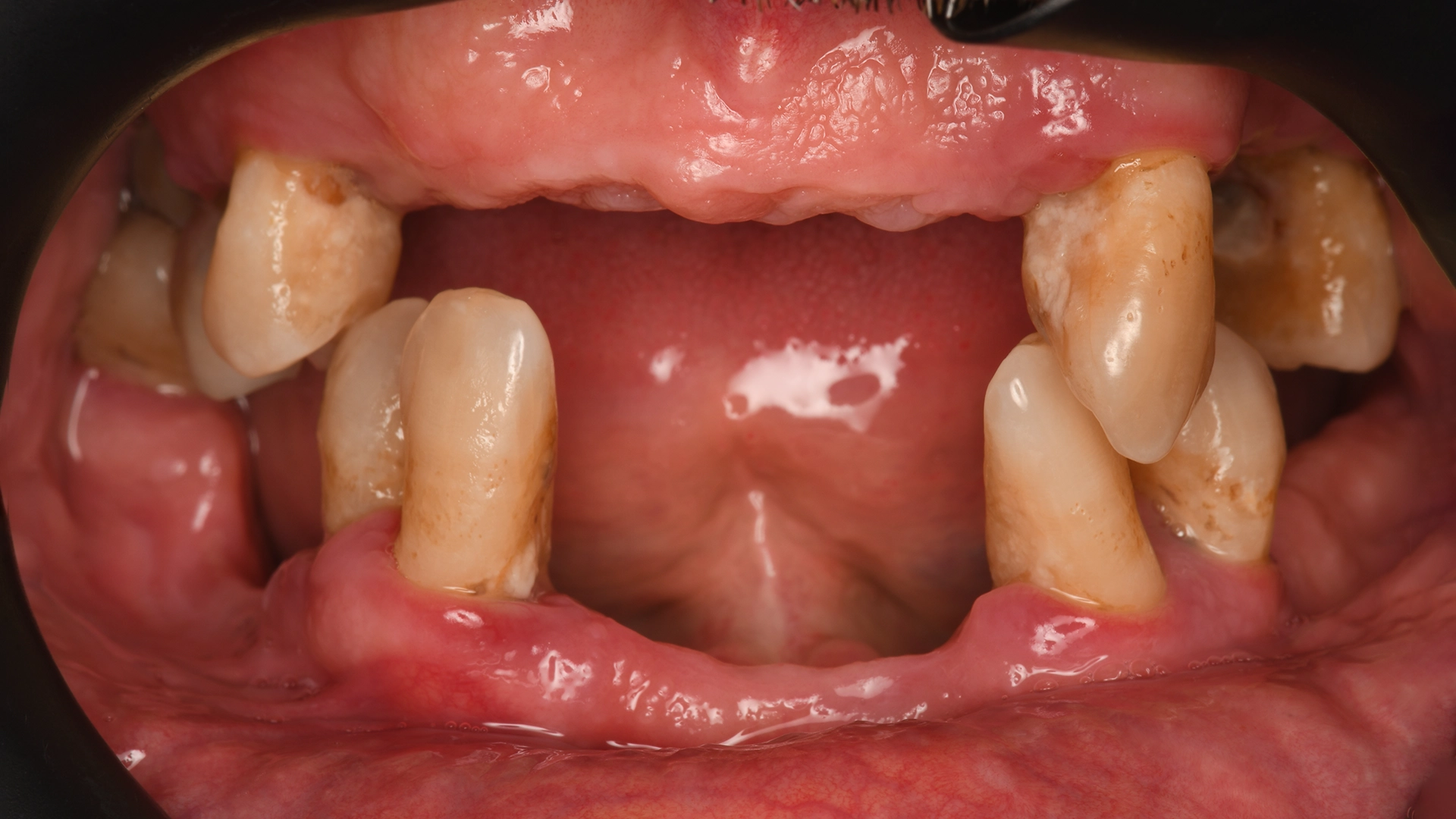
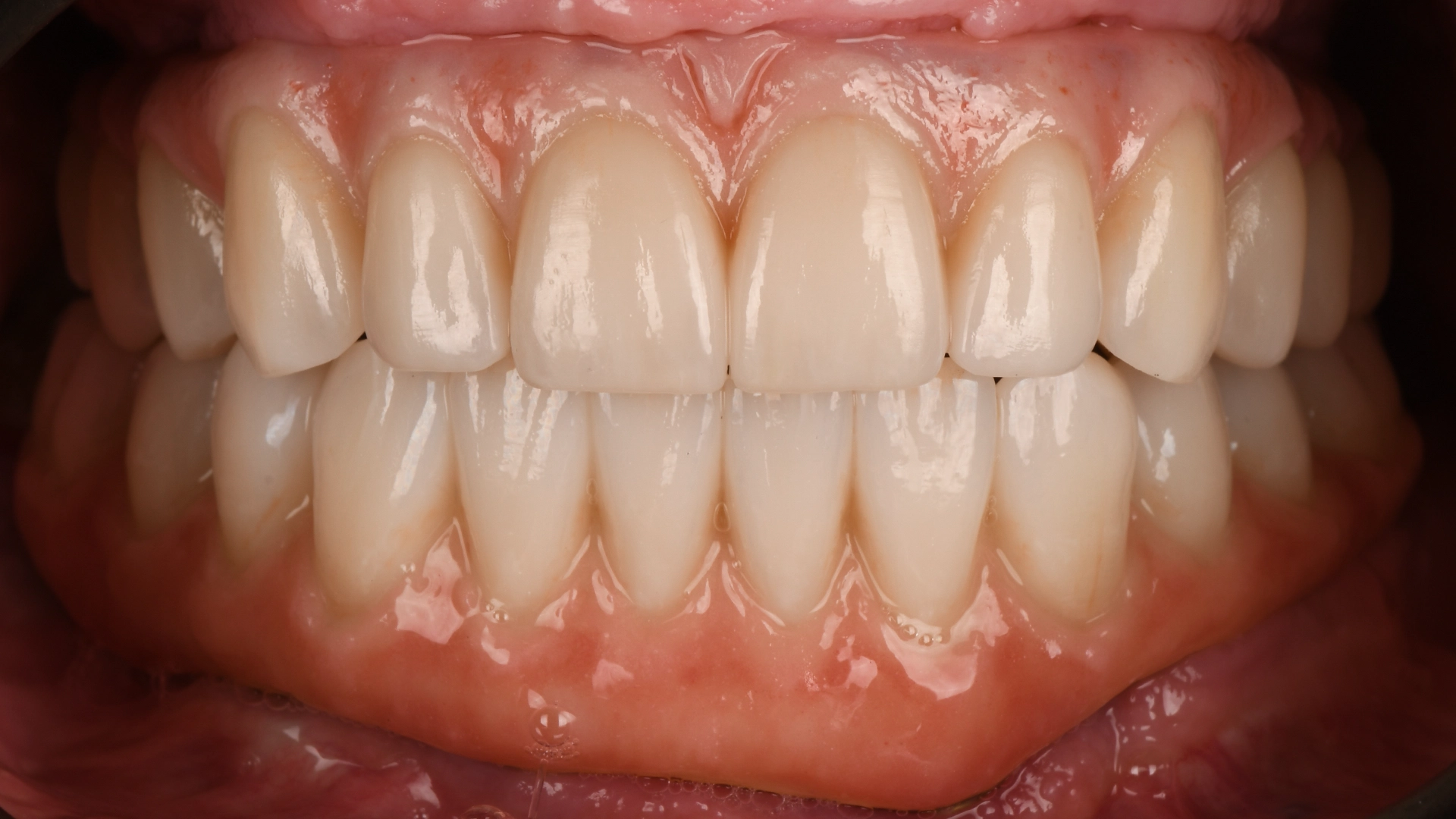
Are Dental Implants Safe for Patients with Diabetes?
Diabetes affects how the body regulates blood glucose. When glucose levels remain high, the body’s immune response, blood circulation and tissue repair can be affected. These changes matter after implant surgery because healing requires the gums and bone to recover and the implant to integrate with the jawbone.
However, the presence of diabetes alone does not determine whether an implant will succeed. A person whose diabetes is well managed may be a suitable candidate, while someone with persistently high blood glucose may need better control or additional medical assessment before surgery.
The decision should consider your recent glucose control, diabetes treatment, gum health, bone condition, smoking status, other medical conditions and any medicines that could affect healing.
Osseointegration Success Rates in Diabetic vs. Non-Diabetic Patients
Osseointegration is the biological process through which living bone forms a stable connection with the implant surface. This connection allows the implant to support a crown or bridge during everyday activities such as chewing.
Research generally suggests that people with well-controlled diabetes can achieve implant outcomes comparable to those of people without diabetes in many circumstances. However, findings vary across studies, and results depend on factors such as glucose control, follow-up duration, implant site and patient selection.
Poorly controlled diabetes is associated with a greater risk of delayed healing, infection and implant failure. This does not mean that complications are inevitable. It means that blood sugar control is an important part of assessing risk and planning treatment.
Implant success also involves more than whether the implant initially integrates with the bone. Healthy gums, a balanced bite, good oral hygiene and regular maintenance help protect the result over time.
The Critical Role of HbA1c Levels in Predicting Implant Outcomes
HbA1c is a blood test that estimates your average blood glucose over the previous two to three months. Unlike a single glucose reading, it helps show the broader pattern of blood sugar control.
Higher HbA1c levels are associated with greater healing and infection risks. However, HbA1c is one part of the assessment, not a standalone pass-or-fail test.
There is no single HbA1c threshold that automatically determines implant suitability for every patient. The appropriate decision depends on your medical circumstances, the complexity of the procedure and the clinician’s assessment of the risks.
Your dentist may ask for a recent HbA1c result or recommend that you discuss your glucose control with your GP or diabetes specialist before surgery. If your levels are above your usual target, postponing elective treatment until your diabetes is better controlled may be appropriate.
The aim is not to achieve a particular number at any cost. It is to establish whether the likely benefits of treatment outweigh the risks under your current health conditions.
Risk Factors That Determine Implant Success in Diabetic Patients
Diabetes is only one part of the picture. Two people with the same diagnosis can have different healing prospects because their glucose control, general health, oral hygiene and other risk factors may differ.
The most useful assessment looks at how these factors work together, rather than treating diabetes as an automatic reason to accept or reject implant treatment.
Type 1 vs. Type 2 Diabetes and Their Effect on Bone Healing
Type 1 diabetes occurs when the body produces little or no insulin. Type 2 diabetes involves insulin resistance and, over time, may also involve reduced insulin production. Both can lead to elevated blood glucose, which can affect tissue repair and bone healing.
For implant planning, the type of diabetes matters, but it does not tell the whole story. Your current glucose control, diabetes management, duration of the condition and other health factors are also relevant.
Your dentist should consider your medical history alongside the condition of your jawbone and gums. If your diabetes is well managed, implant treatment may be possible. If your glucose levels are persistently high or other health concerns are present, further medical input or a delay may be appropriate.
How Uncontrolled Blood Sugar Increases Infection and Failure Risk
Persistently high blood glucose can interfere with the body’s immune response and normal wound healing. It may also contribute to inflammation around the gums and the tissues supporting an implant.
This matters at two stages:
- During early healing: The surgical site may heal more slowly, and the implant may take longer to integrate with the jawbone.
- After restoration: Poor glucose control may increase the risk of peri-implantitis, an inflammatory condition affecting the tissues around an implant that can lead to bone loss.
These risks are not inevitable, but they deserve attention before treatment and throughout the implant’s lifespan. Good oral hygiene, appropriate follow-up and ongoing diabetes management are important parts of reducing risk.
Our Clinical Protocol for Implant Placement in Diabetic Patients at VIDENT
At VIDENT in Antwerp, implant treatment is planned around a clinical examination, 3D CBCT imaging and digital assessment before surgery. For patients with diabetes, these steps help establish the condition of the bone, gums and bite and identify factors that may affect treatment.
The clinic’s established planning process includes a written treatment plan, timeline and cost overview before treatment begins. Any diabetes-specific decisions must also reflect your medical circumstances and the information available from your treating doctor.
Pre-Surgical Assessment: HbA1c Screening and Medical Coordination
Your initial assessment should establish whether implant surgery is appropriate under your current health conditions. This may include reviewing your recent HbA1c result, diabetes medication, medical history and any previous healing problems.
A 3D CBCT scan provides information about bone volume, bone quality and nearby anatomical structures. Combined with a clinical examination, it helps determine whether the proposed implant position is feasible and whether additional procedures may be needed.
Where appropriate, your dentist may coordinate with your GP or diabetes specialist to clarify your glucose control and whether any medical adjustments are advisable. Do not change insulin or other diabetes medication without guidance from the clinician responsible for your diabetes care.
At VIDENT, the assessment also considers whether a temporary tooth is clinically appropriate, what the treatment stages involve and what the expected costs will be. This allows you to understand the proposed approach before deciding whether to proceed.
Surgical and Post-Operative Modifications to Minimize Complications
Your treatment plan may need to account for your diabetes control, the complexity of surgery and your individual healing needs. Depending on the clinical findings, this can influence the timing of treatment, whether preparatory procedures are required and how healing is monitored.
After surgery, follow your personalised aftercare instructions carefully. These may include guidance on oral hygiene, eating during early healing and attending scheduled reviews. Your dentist may also recommend more closely tailored maintenance based on your risk factors.
A temporary crown or bridge on the day of surgery is possible in some cases, but it is not suitable for everyone. Implant stability, bite forces and biological conditions all influence this decision. Diabetes is another factor to consider when evaluating healing and loading plans.
The priority is to choose a treatment sequence that fits your clinical situation, rather than assume that every patient should follow the same timetable.
Evaluate Your Implant Candidacy with a Personalized Consultation in Antwerp
Having diabetes does not automatically mean you must rule out dental implants. Equally, a reassuring HbA1c result alone cannot guarantee success. The decision depends on the combined picture of your medical health, oral condition and treatment requirements.
At VIDENT, your consultation is an opportunity to establish whether implants are suitable, what alternatives may be available and what the proposed treatment would involve.
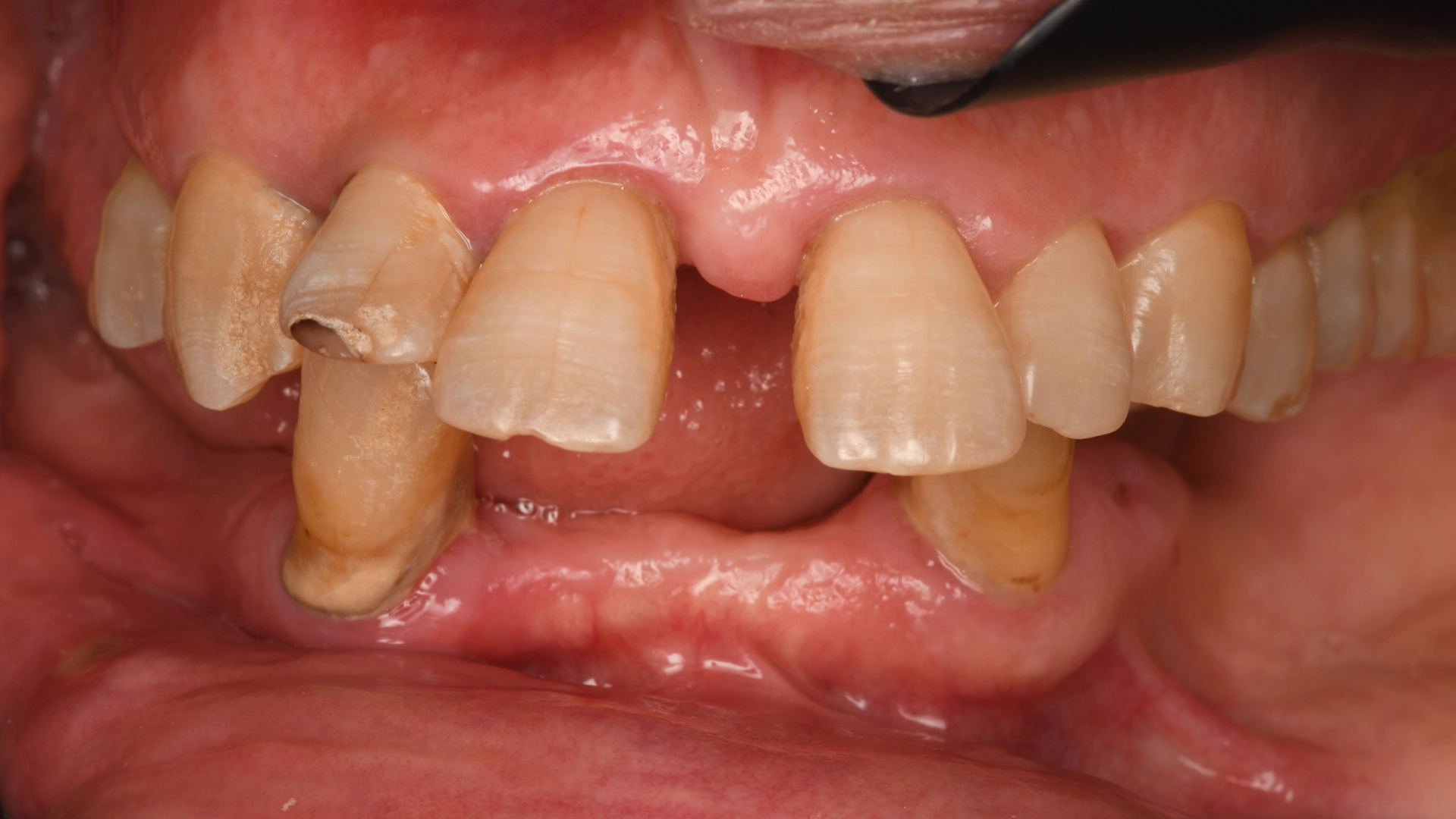
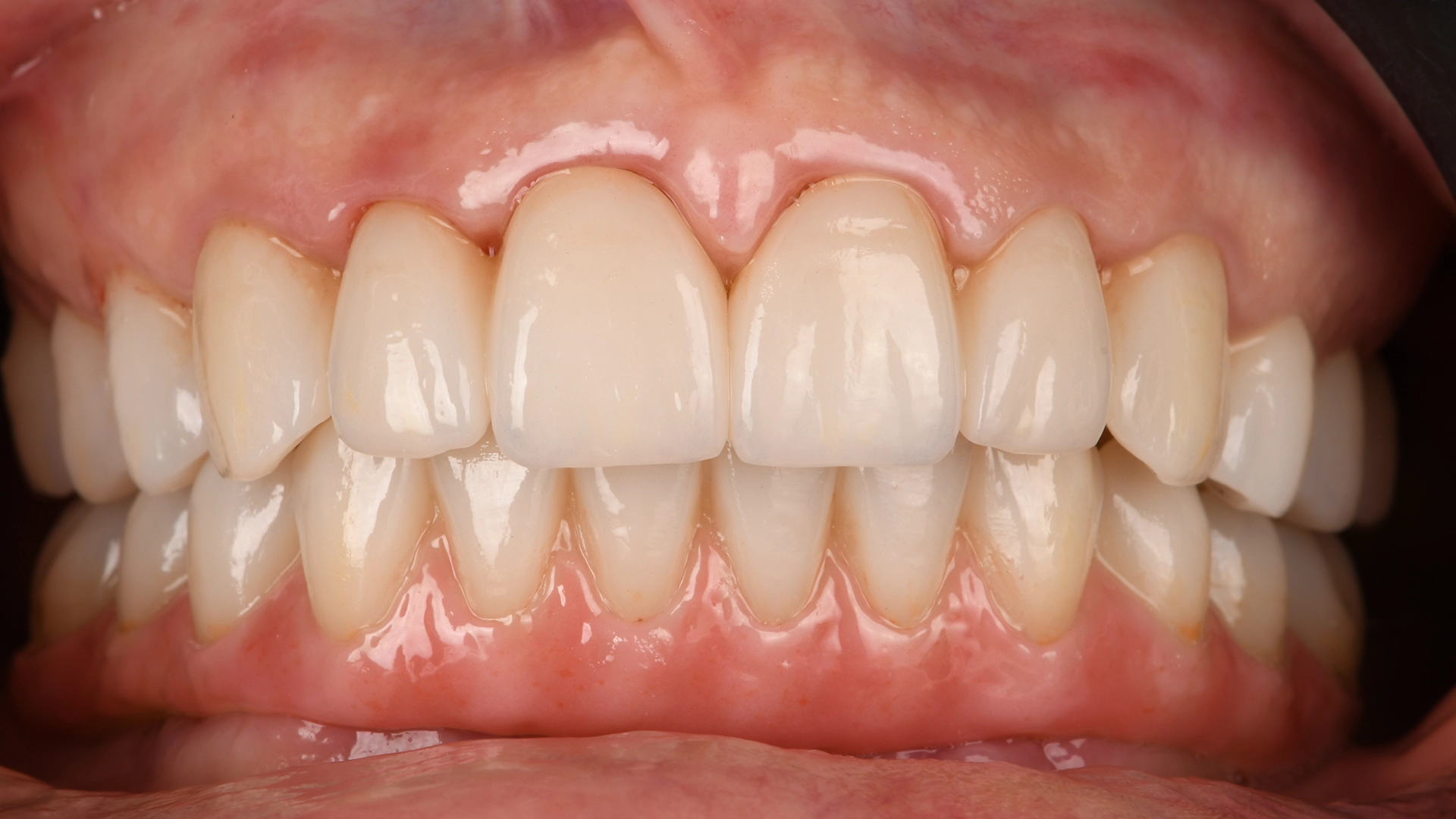
What to Expect During Your Initial Implant Assessment at VIDENT
Your first visit includes a clinical examination and 3D CBCT assessment. The findings help evaluate your bone, gums, bite and implant feasibility. Your medical history and available information about diabetes control can then inform the planning process.
Before treatment begins, you receive a written plan explaining the proposed stages, realistic timeline and cost estimate. You can discuss whether additional procedures may be needed and whether a temporary restoration is appropriate in your case.
The next step is an assessment, not a commitment to surgery. If you are considering dental implants in Antwerp and have diabetes, book a consultation with VIDENT to discuss your health circumstances and treatment options. You can then make an informed decision based on your individual needs.
Book Your Implant Assessment at VIDENT
Book Your Implant Assessment at VIDENTFAQ
1. Can I get dental implants if I have diabetes?
Yes, many people with diabetes can receive dental implants successfully, particularly when their blood sugar is well controlled. Diabetes does not automatically disqualify you from treatment. Your dentist will assess your HbA1c level, gum health, jawbone condition, medical history and other factors before determining whether implants are suitable for you.
2. What HbA1c level is safe for dental implant surgery?
There is no single HbA1c threshold that guarantees safe implant surgery for every patient. Higher HbA1c levels are associated with an increased risk of healing complications and infection. Your dentist may request a recent HbA1c result and, when appropriate, coordinate with your GP or diabetes specialist to determine whether treatment can proceed or should be delayed until your glucose control improves.
3. Are dental implants more likely to fail in patients with diabetes?
Poorly controlled diabetes can increase the risk of delayed healing, impaired osseointegration and implant failure. However, patients with well-controlled diabetes can achieve favourable outcomes. Success also depends on bone quality, gum health, oral hygiene, implant planning and regular maintenance. An individual clinical assessment is more useful than assuming that every patient with diabetes faces the same risk.
4. Will I need to stop taking insulin or diabetes medication before implant surgery?
Not necessarily. Medication adjustments depend on your diabetes treatment, the timing of surgery, whether you need to fast and the type of anaesthesia or sedation planned. Never stop insulin or change your medication independently. Your dentist should coordinate with your diabetes care team when necessary to establish an appropriate perioperative plan.
5. How long does it take for dental implants to heal if I have diabetes?
Healing time varies according to glucose control, bone quality, the surgical procedure and individual biological factors. At VIDENT, implant treatment commonly includes a healing period of approximately 8 to 12 weeks before the final restoration, although your actual timeline may differ. Diabetes or other healing concerns may require closer monitoring or a different treatment schedule.
6. Can I receive a temporary tooth on the same day as implant surgery if I have diabetes?
Possibly. A temporary crown or bridge may be placed on the day of surgery when implant stability, bite forces and healing considerations make immediate provisional restoration clinically appropriate. Your diabetes control and overall health will form part of the assessment. VIDENT evaluates these factors during digital treatment planning rather than promising same-day teeth for every patient.
7. How much do dental implants cost for patients with diabetes in Antwerp?
At VIDENT in Antwerp, a single dental implant treatment typically costs €2,500 to €3,100, including implant placement, a temporary restoration when clinically appropriate and the final crown. The final cost depends on your clinical situation and whether additional procedures, such as bone grafting, are needed. If diabetes-related medical coordination or additional treatment affects your plan, ask your dentist to clarify any associated costs before proceeding.
8. Can patients from Berchem, Deurne, Mortsel and other areas around Antwerp receive dental implants at VIDENT?
Yes. VIDENT is located in Antwerp, making it a local option for people considering dental implants from nearby areas such as Berchem, Deurne and Mortsel. If you live elsewhere in the Antwerp region, you can enquire about arranging an initial assessment. For patients with diabetes, the consultation provides an opportunity to discuss glucose control, evaluate implant suitability and understand the proposed treatment stages before making a decision.