

Quick Summary
- Age 7 is a common recommendation for a first orthodontic evaluation, not a rule that every child needs braces at that age.
- Early assessment can identify developing bite problems, jaw discrepancies, and crowding while a child still has a mix of baby and permanent teeth.
- Some children benefit from early treatment, while others need only monitoring until more permanent teeth emerge.
- Starting early does not automatically mean shorter treatment or lower costs. The benefit depends on the problem being treated and the child’s development.
- At VIDENT in Antwerp, an orthodontic assessment includes an oral examination, digital scanning, discussion of treatment options, and a transparent cost breakdown.
The right time for braces depends on more than your child’s age or whether their teeth look crooked. The key question is whether their teeth, bite, and jaw are developing in a way that would benefit from orthodontic care now.
Waiting until the teenage years is appropriate for some children. For others, an earlier assessment can identify problems that are easier to address while the jaws are still growing. The aim is not to start treatment as early as possible. It is to recognise when treatment could make a meaningful difference.
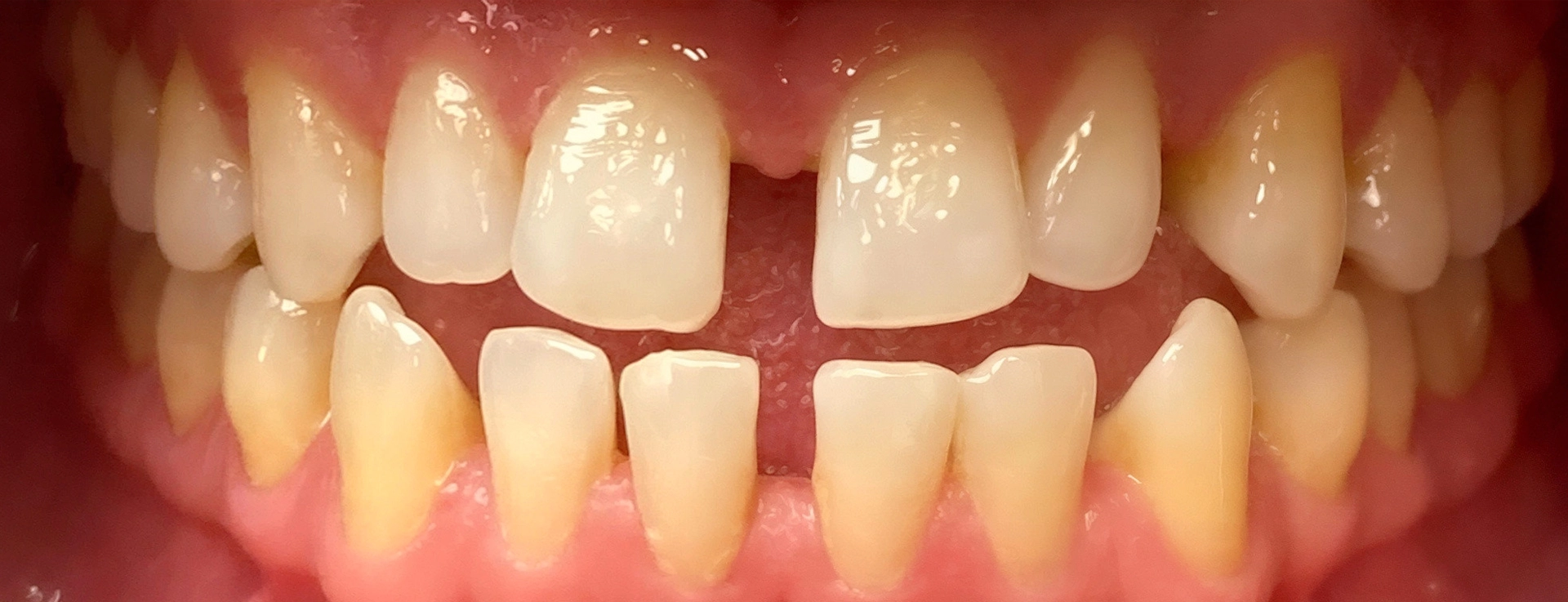
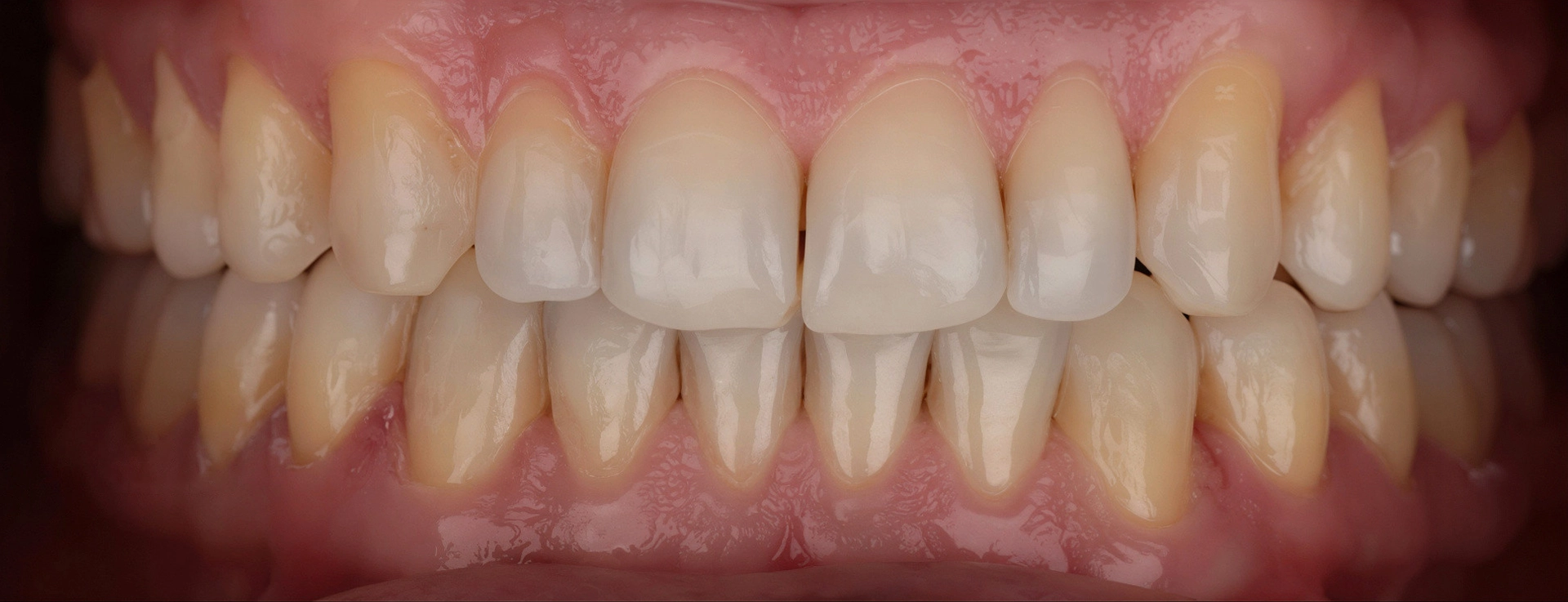
The Recommended Age for a First Orthodontic Evaluation and Why It Is Earlier Than Most Parents Expect
What Orthodontic Guidelines Actually Recommend for Children
A first orthodontic evaluation is commonly recommended by around age 7, when the first permanent molars and incisors have usually begun to emerge. This gives an orthodontist an opportunity to assess the developing bite, jaw relationship, and space available for permanent teeth.
An evaluation at seven does not mean braces at seven. Many children have no immediate need for treatment. Others may benefit from early intervention or closer monitoring as their teeth develop.
The distinction matters: the ideal age for assessment is not necessarily the ideal age for treatment. Early assessment gives families time to understand their options without committing to treatment before it is needed.
Why a General Dental Check-Up Is Not the Same as an Orthodontic Screening
A general dental check-up focuses on oral health, including cavities, gum health, and other dental concerns. An orthodontic assessment looks more specifically at how the teeth fit together, how the jaws relate to each other, and how the bite is developing.
These assessments can complement each other. A child may have healthy teeth but still have a crossbite, significant overjet, or a developing jaw discrepancy that deserves attention.
An orthodontic screening helps determine whether treatment is needed, whether it can wait, or whether the child should be monitored during growth.
Age 7 vs. Age 13: How Jaw Growth Affects Treatment Options and Outcomes
Phase 1 (Interceptive) Treatment: What We Can Correct While the Jaw Is Still Growing
Phase 1, also called interceptive orthodontic treatment, addresses selected developing problems while a child still has baby teeth and permanent teeth. Depending on the diagnosis, treatment may help correct a crossbite, manage certain jaw discrepancies, or address problems affecting the eruption of permanent teeth.
The purpose is to address a specific concern at a useful stage of development. It does not mean every child needs two phases of orthodontic treatment.
Some children may later need braces or clear aligners when more permanent teeth have erupted. Others can wait until adolescence for a single course of treatment. The decision depends on the type of problem, its severity, and the child’s development.
What Happens When We Miss the Growth Window: Surgical vs. Non-Surgical Outcomes
Growth can influence which orthodontic options are available. In a growing child, certain jaw discrepancies may be managed with growth modification or other interceptive approaches in suitable cases.
After jaw growth is largely complete, correcting a significant skeletal discrepancy can become more difficult. Depending on its severity, treatment may involve orthodontics alone, camouflage that adjusts tooth positions without fully correcting the underlying jaw relationship, or orthodontics combined with jaw surgery.
Not every growth-related problem has a narrow deadline, and missing an early opportunity does not automatically mean surgery will be necessary. An individual assessment is needed to distinguish a dental problem from a skeletal one and to understand the available options.
How Treatment Duration and Complexity Change When You Start at 9 vs. 14
A nine-year-old and a fourteen-year-old may have different treatment needs because their teeth and jaws are at different stages of development. However, age alone cannot predict which child will finish sooner.
An earlier start may allow a specific developing problem to be addressed before all permanent teeth erupt. It may also mean a monitoring period or a later second phase of treatment. Starting at fourteen may allow treatment to focus on a more complete set of permanent teeth, depending on the diagnosis.
Treatment duration depends on the complexity of tooth movement, bite correction, biological response, and consistency with the prescribed treatment plan. At VIDENT, the expected timeline for suitable SureSmile® cases is discussed during treatment planning, with many cases taking approximately 6 to 18 months. This is a general range for those cases, not a guaranteed duration for children.
Clinical Signs That Your Child May Need Early Orthodontic Intervention
Not every irregular tooth needs early treatment. What matters is whether a sign points to a developing problem with the bite, jaw relationship, or eruption of permanent teeth.
Persistent Mouth Breathing and Its Effect on Palate Development
Persistent mouth breathing can be associated with factors such as nasal obstruction and may occur alongside certain patterns of facial and dental development. It does not, by itself, prove that a child has a narrow palate or needs braces.
If your child regularly breathes through their mouth, snores, or struggles to breathe comfortably through their nose, discuss this with a healthcare professional. An orthodontic assessment may help identify relevant dental or jaw features, while suspected airway or nasal problems may require evaluation by an appropriate medical professional.
Premature or Delayed Loss of Primary (Baby) Teeth
Baby teeth help maintain space for permanent teeth. Losing one too early, particularly because of decay or trauma, can sometimes allow neighbouring teeth to shift into the space. This may affect the room available for a permanent tooth.
Conversely, a baby tooth that remains longer than expected may be associated with delayed eruption or the position of the permanent tooth underneath it. The cause is not always orthodontic.
A dental examination can help determine whether observation, further assessment, or a space-maintaining approach is appropriate.
Crossbite, Open Bite, or Significant Overjet in Mixed Dentition
Mixed dentition is the stage when a child has both baby teeth and permanent teeth.
Three bite patterns deserve particular attention:
- Crossbite: One or more upper teeth bite inside the lower teeth rather than outside them.
- Open bite: Some upper and lower teeth do not meet when the back teeth are together.
- Significant overjet: The upper front teeth project noticeably ahead of the lower front teeth.
These patterns can have different causes and may affect biting, tooth wear, or jaw function. Some are more time-sensitive than others, so an orthodontist should assess the individual bite rather than relying on appearance alone.
Visible Crowding as Permanent Teeth Begin to Erupt
Crowding occurs when there is insufficient space for teeth to align comfortably. It can become noticeable as permanent incisors emerge, sometimes before the full adult set of teeth is present.
Early crowding does not automatically mean that teeth must be removed or that immediate braces are necessary. The assessment considers available space, eruption patterns, jaw development, and the position of the incoming teeth.
The useful question is not simply whether the teeth overlap, but whether the developing bite needs treatment now or can be monitored.
Functional Shifts: When the Jaw Moves Sideways to Close
Watch whether your child consistently moves their lower jaw to one side when bringing their teeth together. This may indicate a functional shift associated with a crossbite or another bite discrepancy.
A functional shift is worth assessing because the teeth may guide the jaw into a different closing position. Identifying the cause helps determine whether early correction is appropriate.
Understanding the Cost of Orthodontic Treatment for Children in Antwerp
How Early Intervention Can Reduce Overall Treatment Costs by Avoiding Complex Procedures Later
The idea that waiting until thirteen automatically costs €2,000 more is not a reliable rule. There is no single cost difference that applies to every child. The financial impact of treatment timing depends on the diagnosis, the treatment required, and whether one or more phases are appropriate.
Early intervention may address a particular problem before it becomes more difficult to manage. However, it can also add a separate treatment phase before comprehensive orthodontics begins. Some children need no early treatment at all.
When comparing costs, ask what each proposed plan includes, how many treatment phases may be needed, whether refinements and retainers are covered, and what additional expenses could arise. A clear breakdown makes it easier to compare options based on the child’s needs rather than price alone.
Financing Options and Payment Plans Available at VIDENT
Orthodontic treatment is a financial commitment, and understanding the full cost matters before making a decision.
We offer transparent, all-inclusive pricing and flexible payment options. Treatment pricing should be discussed in relation to the child’s specific needs, including the expected treatment scope and any relevant refinements.
During a consultation, families can discuss the proposed plan, estimated timeline, and financial arrangements before deciding how to proceed. This helps make the decision more manageable without treating early intervention as necessary for every child.
What to Expect During Your Child’s First Orthodontic Assessment at VIDENT
Digital Imaging and Cephalometric Analysis: How We Evaluate Jaw Growth
A useful orthodontic assessment begins with understanding how the teeth fit together and how the jaws relate to each other. A clinical examination and digital scan can help assess tooth positions, crowding, and the bite.
Cephalometric analysis uses a specialised side-view X-ray of the head to evaluate relationships between the teeth, jaws, and facial structures. It may be recommended when additional information about jaw growth or skeletal relationships is needed. Not every child requires this imaging, and X-rays should be selected according to clinical need.
At VIDENT, the initial orthodontic consultation includes an oral examination and digital scanning. Any additional diagnostic investigations should be guided by the child’s individual assessment.
How We Determine Whether Your Child Needs Treatment Now or Simply Monitoring
An early assessment should lead to a clear decision, not automatically to braces. The orthodontist considers the developing bite, tooth eruption, available space, jaw relationships, and the nature of any identified problem.
There are three broad possibilities:
- Treat now: A specific problem may benefit from intervention during the child’s current stage of development.
- Monitor growth: No immediate treatment is needed, but periodic reviews can track changes as permanent teeth emerge.
- Plan treatment for later: Comprehensive orthodontics may be more appropriate once more permanent teeth are present.
At VIDENT, the consultation includes a discussion of your concerns, treatment options, and costs. If SureSmile® clear aligners are being considered, suitability must be assessed for the individual case. More complex problems may require a different approach.
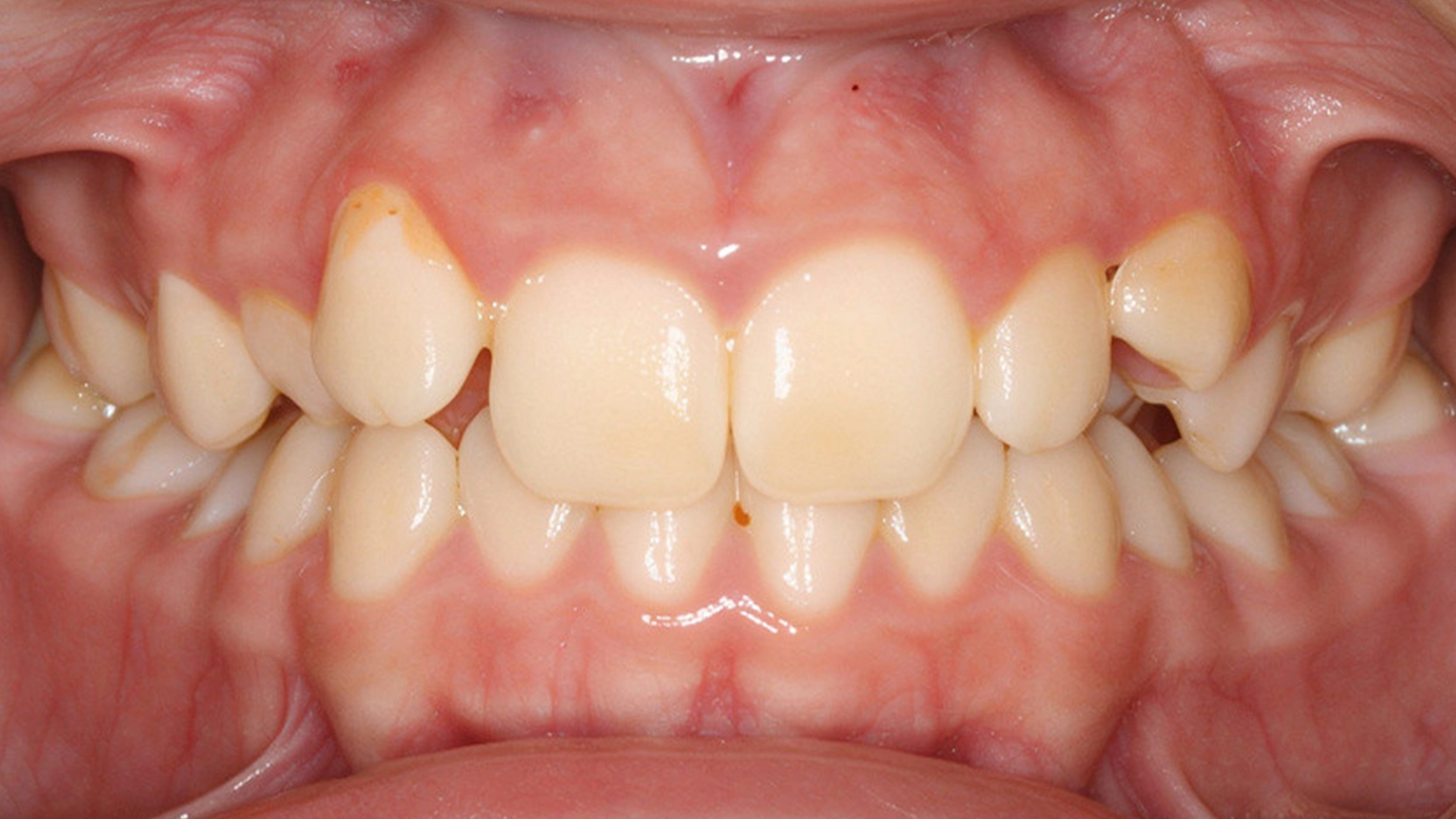
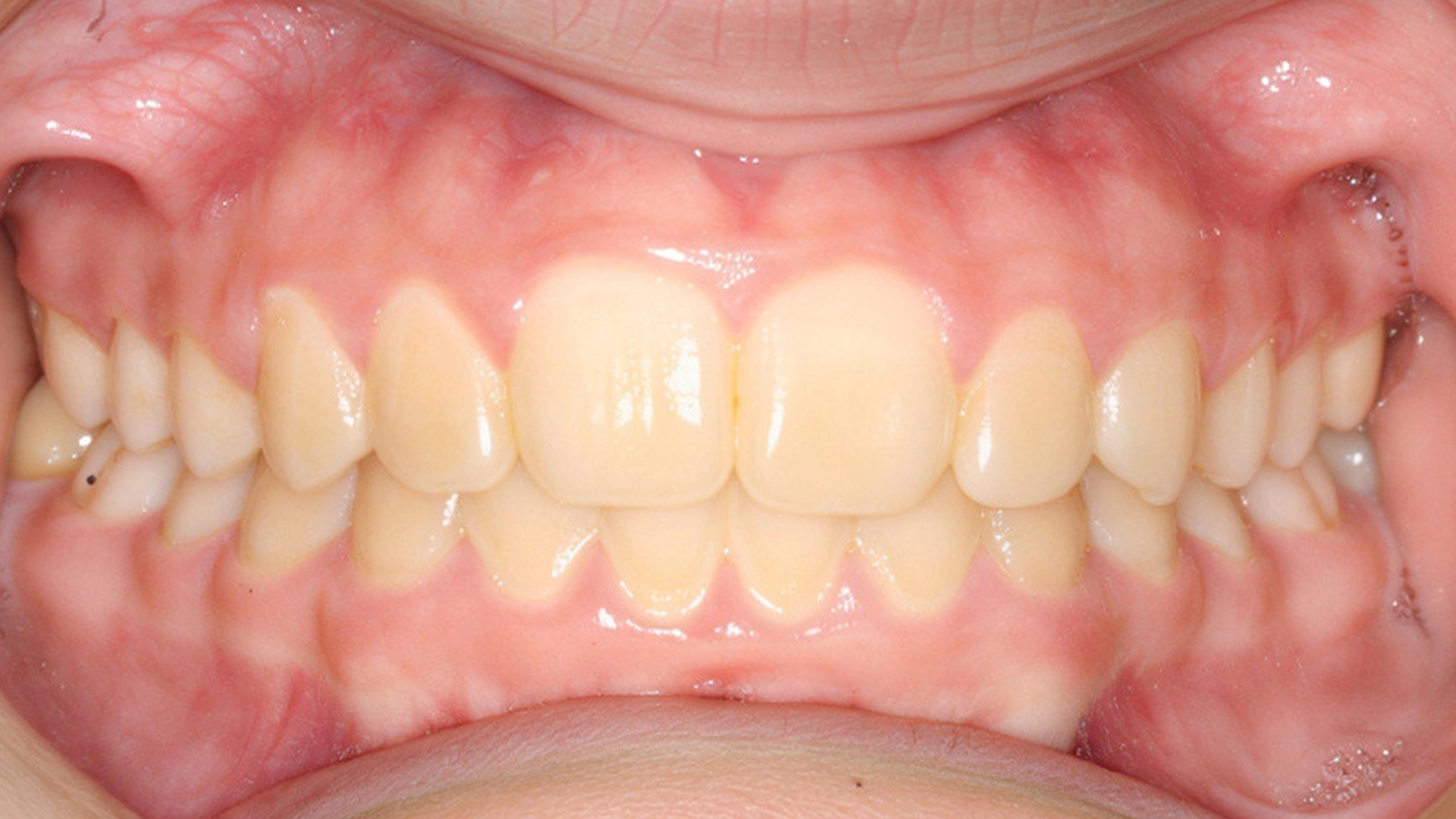
Creating a Long-Term Treatment Plan Tailored to Your Child’s Development
Good orthodontic planning looks beyond the position of the teeth today. It considers how the bite may develop, which changes are needed, and how the result will be maintained.
A plan may include an initial intervention, a period of observation, comprehensive treatment later, or retention after active orthodontics. The sequence depends on the child’s needs rather than a fixed age-based schedule.
For children who are suitable candidates for SureSmile®, VIDENT’s treatment process includes a digital treatment simulation, a review of the proposed plan, and discussion of the expected timeline. The aim is to help families understand the proposed tooth movements and treatment stages before committing.
Retention also matters. Teeth can shift after braces or aligners, so retainers and an appropriate maintenance plan are important parts of long-term orthodontic care.
The most useful outcome of an early assessment may be reassurance that treatment can wait. If intervention is appropriate, understanding why it is recommended and what it is intended to achieve helps you make an informed decision.
Ready to understand your child’s orthodontic needs?
An orthodontic consultation at VIDENT in Antwerp can help you understand your child’s developing teeth and bite, whether treatment is needed now, and which options may be appropriate. You can discuss the expected timeline and costs before deciding how to proceed.
The first step is an assessment, not a commitment to braces. It gives you a clearer basis for deciding what is right for your child.
Book Your Child’s Orthodontic Assessment at VIDENT
Book Your Child’s Orthodontic Assessment at VIDENTFrequently Asked Questions About Children’s Orthodontics at VIDENT Antwerp
1. At what age should my child have their first orthodontic assessment?
A first orthodontic assessment is generally recommended by around age 7. At this stage, an orthodontist can evaluate how the permanent teeth are emerging, how the upper and lower jaws fit together, and whether there are signs of developing bite problems. An early assessment does not mean your child needs braces immediately. Some children benefit from early treatment, while others only need periodic monitoring until more permanent teeth have erupted.
2. Does my child need braces at age 7, or can we wait until the teenage years?
Not every child needs braces at age 7. The appropriate treatment time depends on the type of orthodontic problem, jaw development, tooth eruption, and the child’s individual needs. Certain bite problems may benefit from early intervention, while straightforward alignment issues can often wait until more permanent teeth are present. An orthodontic assessment helps determine whether to treat now, monitor development, or plan treatment for later.
3. What signs indicate that my child may need early orthodontic treatment?
Signs that deserve an orthodontic assessment include crowded permanent teeth, a crossbite, an open bite, a pronounced overjet, premature or delayed loss of baby teeth, and a lower jaw that shifts sideways when closing the mouth. Persistent mouth breathing may also warrant medical evaluation, particularly if nasal obstruction or snoring is present. These signs do not automatically mean that braces are necessary, but assessing them early can help clarify whether treatment or monitoring is appropriate.
4. Can waiting until age 13 make my child’s orthodontic treatment more expensive?
Waiting until age 13 does not automatically increase orthodontic costs by €2,000. The financial impact depends on the child’s diagnosis, the complexity of the problem, and whether early treatment could address a specific issue before it becomes more difficult to manage. Early treatment can sometimes reduce later complexity, but it may also involve an additional treatment phase. At VIDENT, parents can discuss the proposed treatment, expected duration, and costs to understand which approach makes sense for their child.
5. Are clear aligners such as SureSmile® suitable for children and teenagers?
SureSmile® clear aligners can be an option for suitable orthodontic cases, but they are not appropriate for every child or every stage of dental development. The decision depends on the child’s tooth eruption, bite, orthodontic needs, and ability to follow the prescribed wearing schedule. Some cases may require traditional braces or another approach. At VIDENT Antwerp, an orthodontic assessment helps determine whether clear aligners are a suitable option for the individual patient.
6. How long does orthodontic treatment take for children?
Treatment duration varies according to the complexity of tooth alignment, bite correction, the child’s biological response, and adherence to the treatment plan. Some children need a short, targeted phase of early treatment, while comprehensive orthodontic treatment may take considerably longer. For suitable SureSmile® cases, treatment commonly takes around 6 to 18 months, although this range should not be assumed to apply to every child. The expected timeline can be discussed after an individual assessment.
7. How much does children’s orthodontic treatment cost at VIDENT in Antwerp, and are payment plans available?
The cost of children’s orthodontic treatment depends on the diagnosis, treatment method, complexity, and whether one or more treatment phases are needed. VIDENT offers transparent, all-inclusive pricing and flexible payment options. Before committing to treatment, parents should clarify what the proposed fee includes, whether refinements and retainers are covered, and whether additional treatment may be required later. A consultation helps establish a clearer understanding of the expected treatment scope and financial commitment.
8. Does VIDENT Antwerp welcome children and families from nearby neighbourhoods and towns?
Yes. VIDENT is located in Antwerp and welcomes patients from across the surrounding area, including families from Berchem, Borgerhout, Ekeren, Wilrijk, and Deurne, as well as Antwerp City Centre and Eilandje. For parents considering orthodontic treatment, the initial assessment provides an opportunity to understand their child’s dental development, discuss suitable treatment options, and review the expected timeline and costs before making a decision.