

Quick Summary
- Straighter teeth are not always only a cosmetic concern. Crowding, bite changes, relapse, and difficulty cleaning may justify an orthodontic assessment.
- Jaw discomfort, uneven chewing, food trapping, or a tooth that is gradually rotating can have several causes. These signs do not diagnose orthodontic problems on their own.
- Age does not automatically prevent treatment. Bone health, gum stability, bite mechanics, and retention planning are more relevant than age alone.
- A consultation can clarify whether treatment is appropriate, which options may suit your case, how long treatment may take, and what it is expected to cost.
The Honest Answer: Do You Really Need Orthodontic Treatment, or Is It Just Cosmetic?
The honest answer is that it depends on your teeth, bite, gum health, treatment goals, and how these factors work together.
Some people seek orthodontic treatment because they want straighter teeth. That is a valid reason. For others, the concern is functional: teeth may be difficult to clean, the bite may feel uneven, or previous orthodontic treatment may have relapsed.
A photograph or online checklist cannot determine whether you need braces or clear aligners. An assessment is needed to examine your current tooth positions, bite, gum stability, and treatment objectives.
At VIDENT in Antwerp, the stated process includes an oral examination, a digital scan, a discussion of your concerns, a review of treatment options, and a treatment simulation where appropriate.
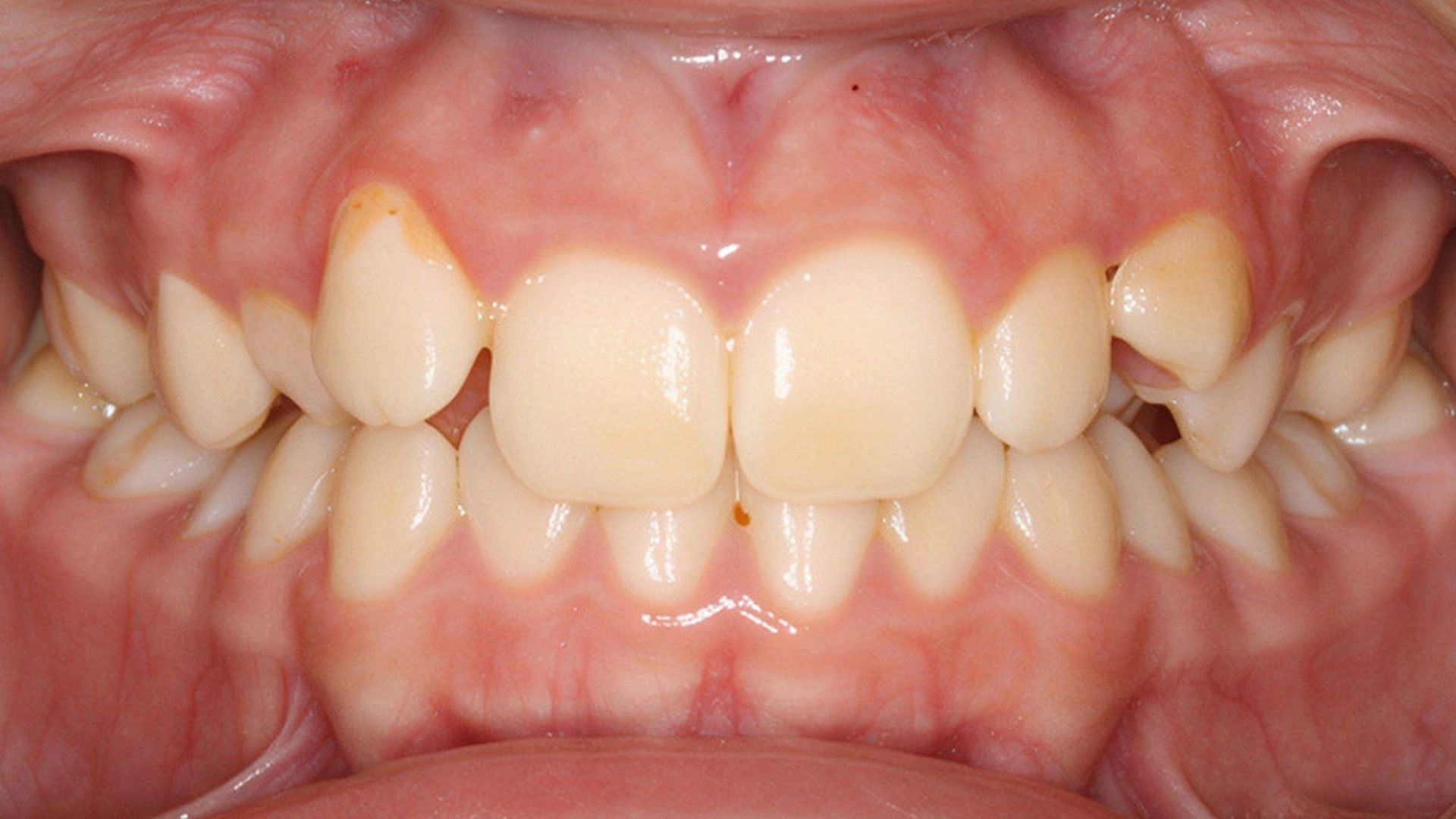
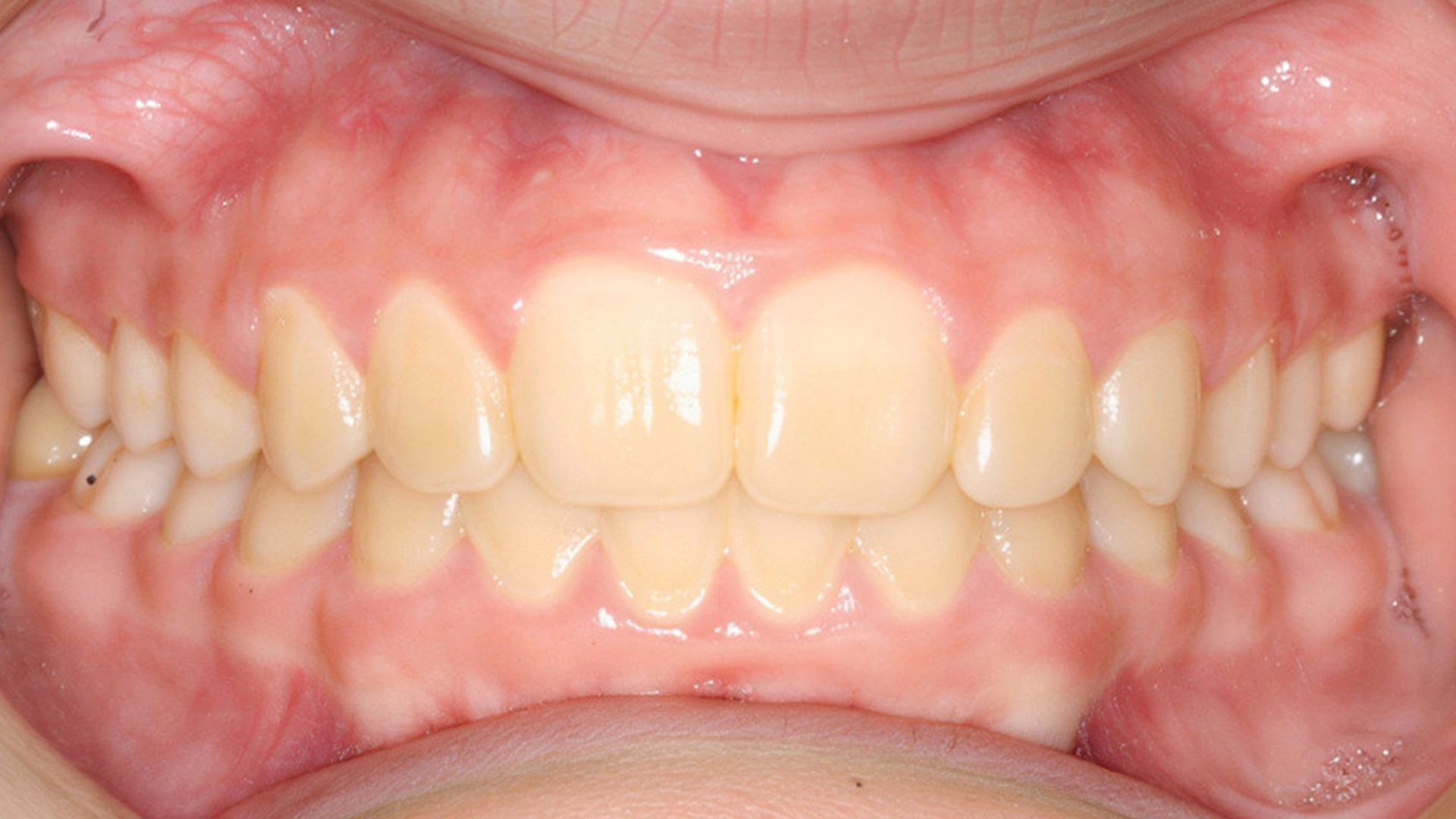
The Difference Between “Wanting Straighter Teeth” and “Needing Treatment”
Wanting a straighter smile is a personal treatment goal. Needing orthodontic treatment usually involves a clinical reason to consider changing tooth position or bite function.
These may include:
- Crowding or overlapping teeth
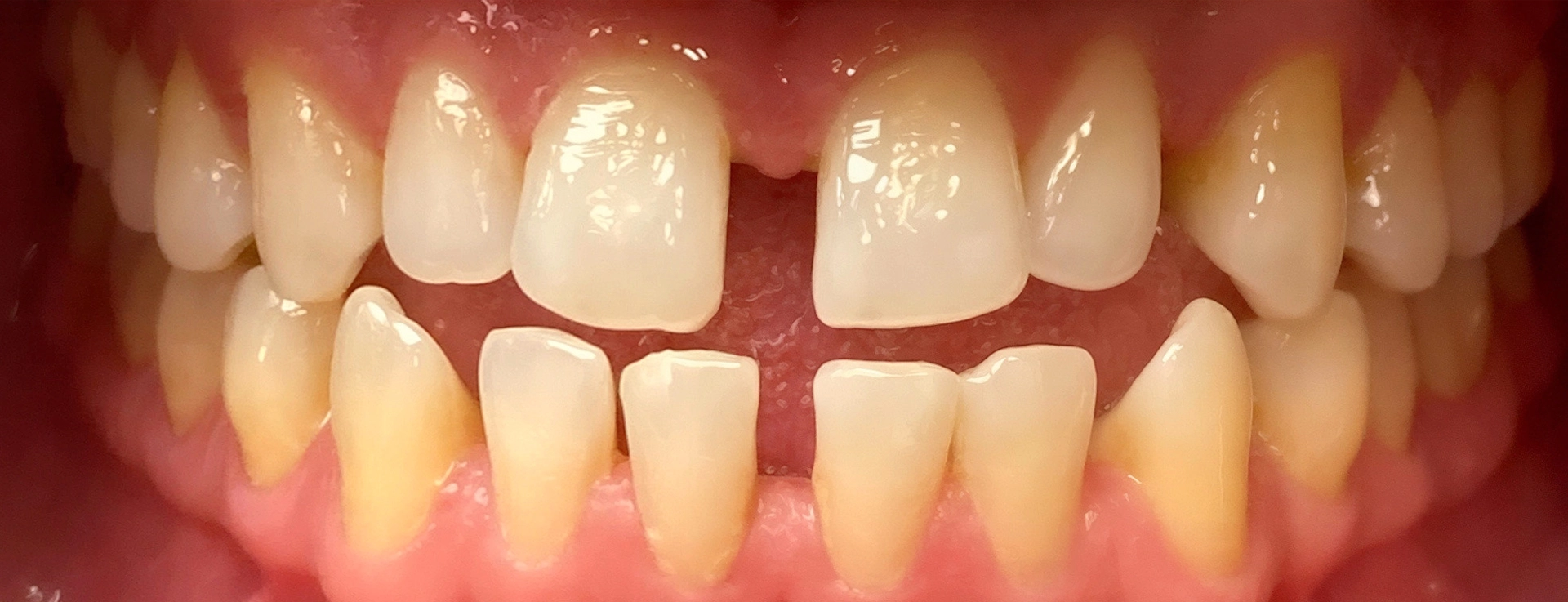
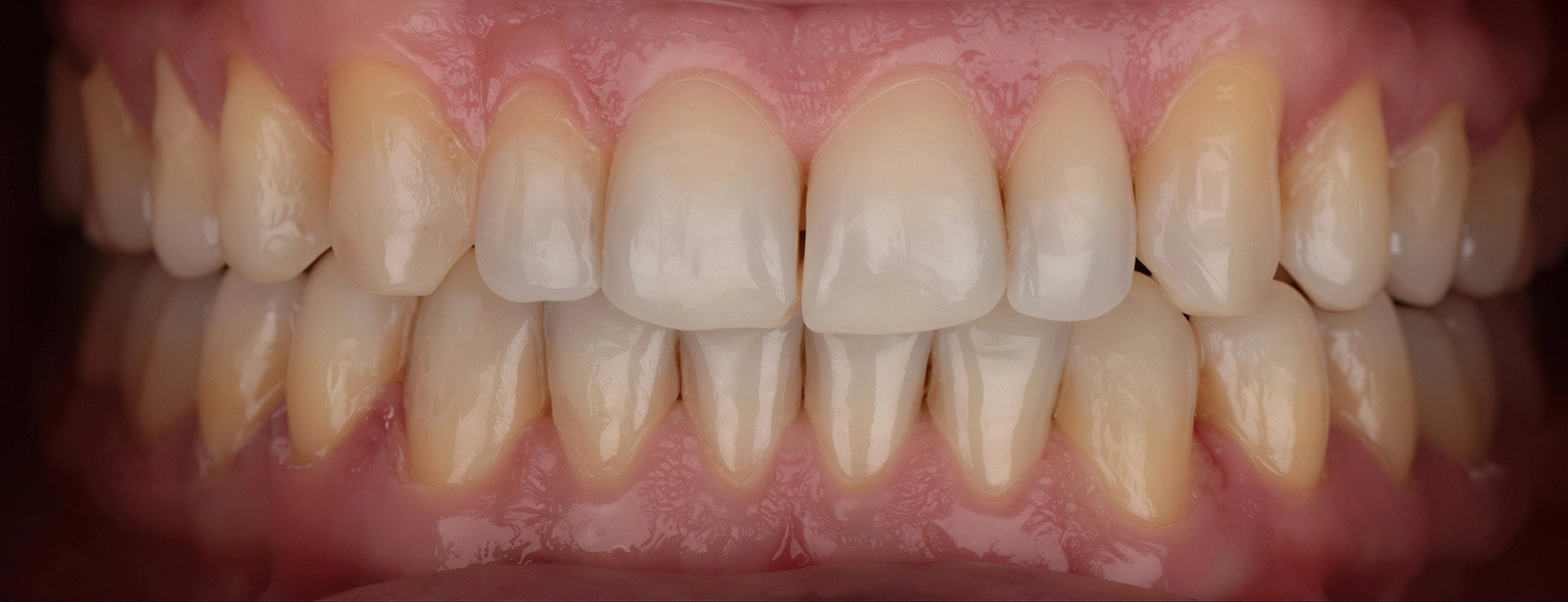
- Gaps and spacing
- Mild to moderate bite misalignment
- Relapse after previous orthodontic treatment
- Difficulty maintaining normal oral hygiene because of tooth position
- A bite that feels uneven when chewing
The distinction is not always either cosmetic or functional. Improving alignment may affect appearance and also make certain areas easier to clean or help the teeth meet more evenly. The relevant question is not simply, “Are my teeth straight enough?” It is, “What is happening with my teeth, bite, gums, and long-term stability?”
Can Ignoring Misaligned Teeth Actually Damage Your Jaw and Gums?
Misalignment does not automatically cause damage, and symptoms such as jaw pain or gum recession can have several possible causes. However, tooth position and bite mechanics may be relevant when a patient has difficulty cleaning, uneven contact, or a history of relapse.
It is important not to self-diagnose. A clinician needs to assess:
- How the teeth meet
- Whether the gums are stable
- Whether any tooth is receiving unusual pressure
- Whether jaw symptoms have another cause
- Whether orthodontic treatment is appropriate
Orthodontics should not be presented as a guaranteed solution for every jaw symptom. At VIDENT, one documented patient example involved bite misalignment associated with jaw tension, but that individual experience should not be treated as a universal outcome.
At What Age Is It “Too Late” for Braces or Aligners?
Age alone is not the limiting factor. The page specifically identifies bone health, gum stability, bite mechanics, biological response, and long-term retention as important considerations for adults.
Adult orthodontic treatment is therefore not simply a teenage treatment transferred to an older patient. Planning must consider the patient’s current oral condition, previous treatment, lifestyle, and expectations.
Clear aligners may be considered for many adults, including cases involving crowding, spacing, mild to moderate bite misalignment, and orthodontic relapse. Complex cases require careful evaluation, and aligners may not be the best option for every patient.
7 Silent Signs Your Teeth Are Shifting Right Now, Even If You Can’t See It Yet
Not every change means that orthodontic treatment is needed. These signs are reasons to seek an assessment, not proof of a diagnosis.
Sign #1: Your Teeth Look Straighter in Old Photos (Yes, They Were Different)
Comparing recent photographs with older ones may reveal gradual changes in spacing, crowding, or tooth rotation. This can be particularly relevant if you previously had orthodontic treatment.
Relapse is one reason teeth may appear different over time. A clinical assessment can determine whether the change is dental, bite-related, or simply a difference in the photograph.
Sign #2: You Wake Up With Jaw Pain or Headaches You Can’t Explain
Morning jaw discomfort or headaches can have multiple causes. Bite misalignment may be relevant in some cases, but it should not be assumed to be the cause.
An assessment can examine your bite mechanics and help determine whether orthodontics is relevant or whether another evaluation is more appropriate.
Sign #3: Food Keeps Getting Stuck Between the Same Two Teeth
Repeated food trapping may relate to spacing, tooth position, contact areas, gum condition, or a dental restoration. It is not automatically an orthodontic problem.
If the same area repeatedly collects food, mention it during a dental or orthodontic examination. The cause should be identified before deciding on treatment.
Sign #4: Your Bite Feels “Off” When You Chew on One Side
A bite that feels uneven, changed, or more comfortable on one side may justify assessment. Possible factors include tooth position, bite contacts, dental changes, or jaw-muscle symptoms.
The useful question is not whether one side feels different on a particular day. It is whether the change is persistent and whether the teeth meet as intended.
Sign #5: You’ve Started Avoiding Smiling in Photos (Be Honest)
If the appearance of your teeth affects your confidence or makes you reluctant to smile, that is a legitimate reason to explore your options.
You do not need to prove that treatment is medically necessary before asking what could be changed. A consultation can clarify the likely goals, limitations, timeline, and alternatives without requiring an immediate commitment.
Sign #6: One Tooth Is Slightly Overlapping or Rotating More Than Last Year
A tooth that appears to be moving may reflect crowding, relapse, changes in neighbouring teeth, or another local issue.
Small changes are easier to understand when compared with an examination and digital scan rather than photographs alone. VIDENT uses digital scanning to record current tooth positions before treatment planning.
Sign #7: Your Dentist Mentioned “Crowding” or “Overbite” at Your Last Checkup
Terms such as crowding and overbite describe aspects of tooth position or bite. They do not automatically mean that braces or aligners are required.
Ask what the finding means in your case:
- Is it changing?
- Does it affect cleaning or chewing?
- Is treatment recommended now, later, or not at all?
- Which options are suitable?
- What would retention involve?
What Happens If You Wait? The True Cost of Delaying Orthodontic Treatment
Waiting is not automatically harmful, and not every alignment issue requires immediate treatment. The practical cost of delay depends on the condition, its progression, oral hygiene, gum health, bite, and personal goals.
The most useful next step is often not committing to treatment. It is understanding whether there is a reason to act, monitor, or leave things unchanged.
The Domino Effect: How One Crooked Tooth Can Shift Your Entire Bite Over 2 to 5 Years
Teeth can change position over time, but the exact pattern and speed vary between individuals. The page does not establish that one crooked tooth will shift an entire bite within two to five years.
If you notice progressive crowding, spacing, rotation, or relapse, an assessment can establish a baseline. That makes future changes easier to evaluate and helps distinguish a stable concern from one that may require treatment.
TMJ, Gum Recession, and Enamel Wear, The Hidden Problems Nobody Warns You About
Jaw symptoms, gum recession, and enamel wear should not automatically be attributed to misaligned teeth. They can have different causes and require individual assessment.
Orthodontic planning may consider bite mechanics and gum stability, particularly for adults. However, treatment should be recommended only when the clinical findings and objectives support it.
Why Treatment at 30 Costs More (and Takes Longer) Than Treatment at 25
There is no reliable rule that treatment at 30 will cost more or take longer than treatment at 25. Duration and cost depend on factors such as alignment complexity, bite correction needs, biological response, number of aligners, refinements, and consistency of aligner wear.
VIDENT states that most SureSmile cases take approximately six to 18 months, with the individual timeline confirmed during treatment planning.
Why Antwerp Patients Choose VIDENT for Braces and Aligners
The page presents VIDENT as a digital-first orthodontic provider serving Antwerp and surrounding areas, including Berchem, Borgerhout, Ekeren, Wilrijk, Deurne, the City Centre, and Eilandje.
Its approach centres on understanding the starting position, planning tooth movement digitally, reviewing the proposed outcome, and discussing the treatment scope before commitment.
Our Free 3D Smile Scan: See Your Future Smile Before You Commit to Anything
The supplied information describes a digital scan and a projected treatment simulation during the consultation. It does not confirm that the scan is free, so the exact consultation terms should be verified with the clinic.
The stated process includes:
- Complete oral examination
- Digital scanning of current tooth positions
- Discussion of your concerns and objectives
- Review of treatment options
- Treatment simulation
- Timeline discussion
- Transparent cost breakdown
A simulation is a planning tool, not a guarantee. It helps you understand the proposed movement and ask better questions before deciding whether treatment is right for you.
Flexible Payment Plans That Fit Your Budget
VIDENT states that it offers transparent, all-inclusive pricing and flexible payment options. The page also states that cost depends on case complexity, treatment duration, the number of aligners, and refinements.
Ask what the quoted fee includes, particularly regarding adjustments, refinements, retainers, attachments, and any alternative treatment needs.
Next Step:
If you recognise one or more of these signs, the appropriate next step is not to assume that you need braces or aligners. It is to obtain a clear assessment of your teeth, bite, gum stability, treatment options, expected timeline, and total cost.
During an orthodontic consultation at VIDENT, you can discuss your concerns, complete a digital scan, review whether SureSmile clear aligners are suitable, and understand what treatment would involve before making a decision.
Book Your Orthodontic Consultation at VIDENT
Book Your Orthodontic Consultation at VIDENTFrequently Asked Questions About Braces and SureSmile® Clear Aligners
1. How do I know whether I really need braces or clear aligners?
You may benefit from an orthodontic assessment if you have crowded teeth, gaps, mild to moderate bite misalignment, teeth that have shifted after previous orthodontic treatment, or concerns about how your teeth meet when you chew.
Wanting a straighter smile is also a valid reason to explore treatment. However, only a clinical examination can determine whether orthodontic treatment is appropriate for your teeth, bite, gum stability, and treatment goals.
At VIDENT, the consultation includes an oral examination, digital scanning, discussion of your concerns, treatment options, expected timeline, and costs.
2. Are SureSmile® clear aligners suitable for adults?
Yes, adults can be suitable candidates for clear aligner treatment. Age alone does not determine whether orthodontic treatment is possible.
The assessment may consider:
- Bone health
- Gum stability
- Bite mechanics
- Existing tooth alignment
- Previous orthodontic treatment
- Long-term retention needs
- Your treatment objectives
VIDENT specifically discusses adult orthodontic treatment in relation to adult physiology rather than simply applying teenage treatment assumptions.
3. Can clear aligners treat crowded teeth, gaps, or an overbite?
SureSmile® clear aligners may be used for several orthodontic concerns, including:
- Crowded teeth
- Gaps and spacing
- Mild to moderate bite misalignment
- Relapsed orthodontic cases
- Adult orthodontic needs
Suitability depends on the individual case. More complex cases may require additional attachments, a longer planning phase, or a hybrid approach. If clear aligners are not considered appropriate, the treatment options can be explained during the consultation.
4. How long does treatment with SureSmile® clear aligners take?
The page states that most SureSmile® cases are completed within approximately 6 to 18 months.
Your individual treatment duration may depend on:
- The complexity of your alignment
- The type of bite correction required
- Your starting tooth positions
- Biological response
- Consistency of aligner wear
- The number of aligners and refinements required
At VIDENT, the expected timeline is discussed during treatment planning. It should be understood as an individual clinical estimate, not a universal guarantee.
5. Will clear aligners be painful?
Clear aligners apply controlled and gradual force. The page states that patients may experience mild pressure during the first days of wearing a new aligner.
This is described as temporary awareness rather than pain. Individual experiences can vary. If you experience significant or persistent discomfort, you should contact the orthodontic team for advice.
Unlike traditional braces, clear aligners have smooth plastic surfaces and do not require wire adjustments.
6. Will people notice that I am wearing clear aligners?
SureSmile® aligners are described as clear and low profile. Their discreet design is intended to allow treatment to fit more naturally into professional and social situations.
This may be relevant if you regularly attend:
- Meetings
- Presentations
- Client interactions
- Social events
Clear aligners are also removable for eating, brushing, and flossing. They may still be visible at close range, and the exact appearance can vary according to the patient’s teeth and the treatment design.
7. Can I eat normally while wearing clear aligners?
Clear aligners are removable, so you can take them out when eating. The page states that patients can enjoy meals without the food restrictions associated with fixed metal braces, then continue treatment afterward.
You should follow the specific instructions provided for your treatment. Regular brushing and flossing are also part of maintaining oral hygiene during orthodontic treatment.
8. Can I see what my smile may look like before treatment begins?
During treatment planning, VIDENT states that patients can see a digital simulation of the projected result.
This simulation is intended to help you understand:
- The planned direction of tooth movement
- The expected stages of treatment
- The proposed final alignment
- Whether the treatment goals match your expectations
A digital simulation is a treatment projection, not an unconditional guarantee of the final result. Biological response, aligner wear, treatment complexity, and the need for refinements can influence the completed outcome.
9. What happens if my teeth have moved after previous orthodontic treatment?
Teeth that shift after previous orthodontic treatment may represent orthodontic relapse. VIDENT states that it treats relapsed orthodontic cases, including spacing concerns after earlier treatment.
The appropriate plan depends on your current tooth positions, bite, gum stability, treatment objectives, and long-term retention needs. A digital scan and clinical assessment can help determine whether clear aligners are suitable and how much correction may be required.
Retention is planned as part of the overall treatment process, with custom retainers, a long-term stability protocol, and a maintenance schedule.
10. Can orthodontic treatment improve more than the appearance of my smile?
Orthodontic treatment can address tooth alignment and selected bite problems, not only visible crowding or spacing.
The page includes a patient example involving bite misalignment and jaw tension. However, jaw discomfort can have several possible causes, so orthodontics should not be presented as a guaranteed solution for every jaw symptom.
During an assessment, the clinician can consider how your teeth meet, whether your bite is misaligned, and whether orthodontic treatment is relevant to your specific concerns.
11. How do you make sure the result does not look unnatural?
VIDENT states that tooth movement is planned in relation to facial proportions and that overcorrection is intentionally avoided.
The stated goal is a result that looks:
- Balanced
- Natural
- Calm
- Appropriate to the patient
The final treatment plan depends on your facial proportions, tooth positions, bite, treatment objectives, and biological response. A consultation is necessary to determine what type of movement is appropriate for your smile.
12. How much does SureSmile® clear aligner treatment cost?
The cost depends on factors such as:
- Case complexity
- Treatment duration
- Number of aligners
- Number of refinements
- The treatment scope required
VIDENT states that it provides a transparent cost breakdown, all-inclusive pricing, and flexible payment options. Before committing, ask what the quoted fee includes, particularly in relation to adjustments, refinements, retainers, attachments, and any additional treatment requirements.
13. Are there hidden fees or unexpected stages during treatment?
VIDENT states that it provides transparent pricing without hidden fees or surprise charges and that the treatment scope is defined before commitment.
Because the exact inclusions can vary according to the treatment plan, patients should confirm:
- Whether refinements are included
- Whether retainers are included
- Whether attachments are included
- What happens if an aligner is lost or damaged
- Whether additional procedures or hybrid treatment involve separate costs
- How flexible payment options are structured
Clear financial information is an important part of making an informed orthodontic decision.
14. How often will I need to visit VIDENT during treatment?
The stated treatment process includes progress monitoring approximately every 6 to 8 weeks. Aligners are changed every 1 to 2 weeks, according to the prescribed plan.
The exact number of appointments depends on your case, treatment progress, and clinical requirements. The page also states that patients have a direct communication channel with the orthodontic team during active treatment.
15. Does VIDENT treat patients from areas outside Antwerp city centre?
Yes. VIDENT states that it frequently welcomes patients from across the greater Antwerp area, including:
- Berchem
- Borgerhout
- Ekeren
- Wilrijk
- Deurne
- Antwerp City Centre
- Eilandje
The clinic’s structured treatment process and stated monitoring schedule may be relevant to patients who travel from surrounding neighbourhoods. The exact appointment requirements depend on the individual treatment plan and should be discussed during the consultation.