

Quick Summary
- Dental implants can replace missing tooth roots and support fixed replacement teeth, provided your clinical situation is suitable.
- Bone volume matters. Tooth loss can lead to changes in the jawbone, and some patients may need additional procedures before implant placement.
- Adjacent teeth influence the decision. A bridge may be practical in some cases, especially when neighbouring teeth already need crowns.
- General health matters. Certain medical conditions, medications, smoking, and oral hygiene can affect treatment planning and healing.
- Implants, bridges, and partial dentures involve different trade-offs in stability, maintenance, treatment time, and effects on surrounding teeth.
- A clinical assessment helps you compare realistic options before committing to treatment.
A missing tooth does not automatically mean you need a dental implant. The right treatment depends on your oral health, the condition of nearby teeth, the amount of available bone, and what you want to achieve with treatment.
A dental implant replaces the root of a missing tooth with a small post placed in the jawbone. It can support a crown, bridge, or a larger tooth replacement. However, a conventional dental bridge or a removable partial denture may also be suitable, depending on your circumstances.
The most useful starting point is not to ask whether implants are the best option in general. It is to understand which treatment offers the right balance of function, long-term maintenance, and preservation of your remaining teeth in your specific case.
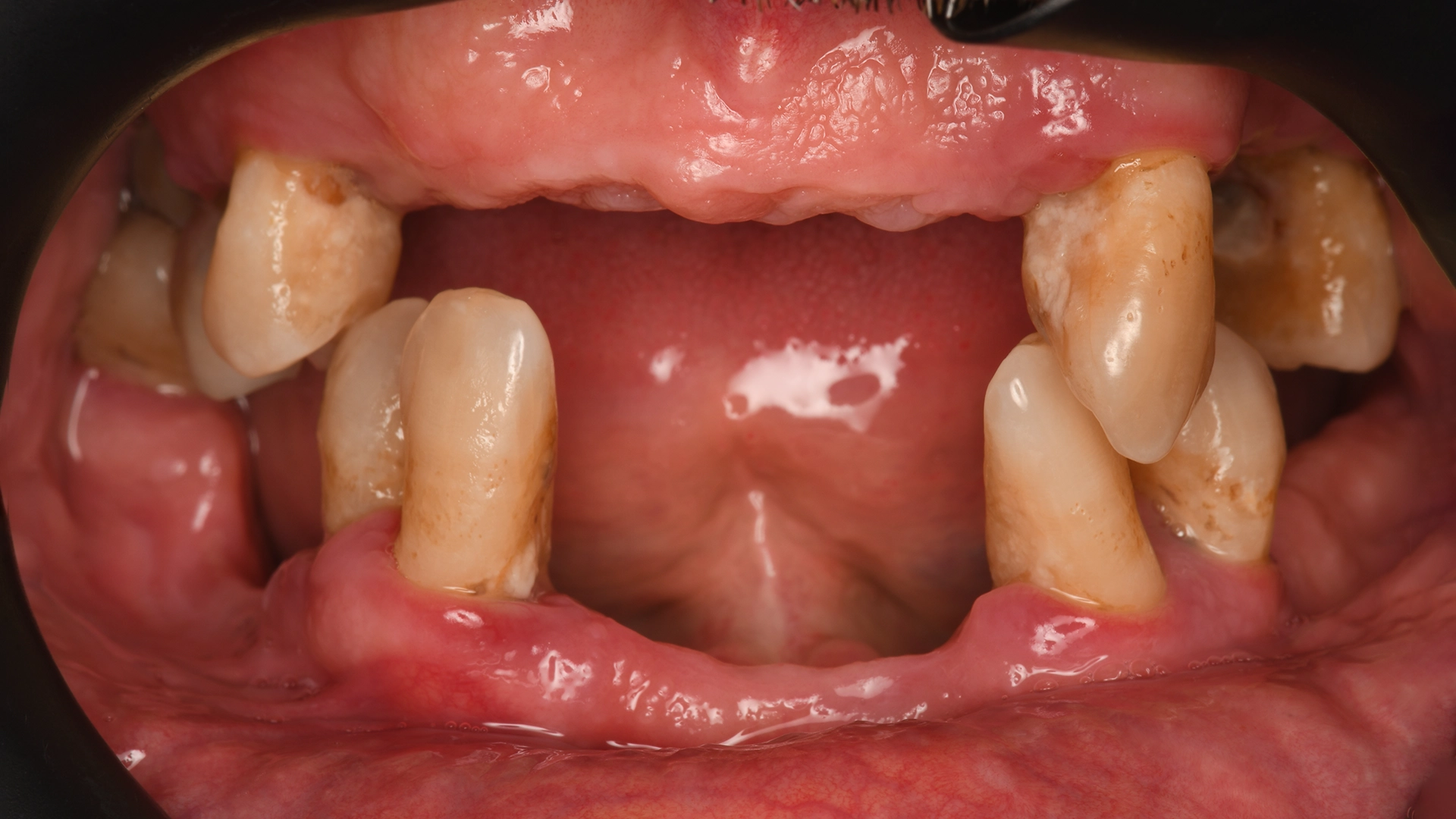
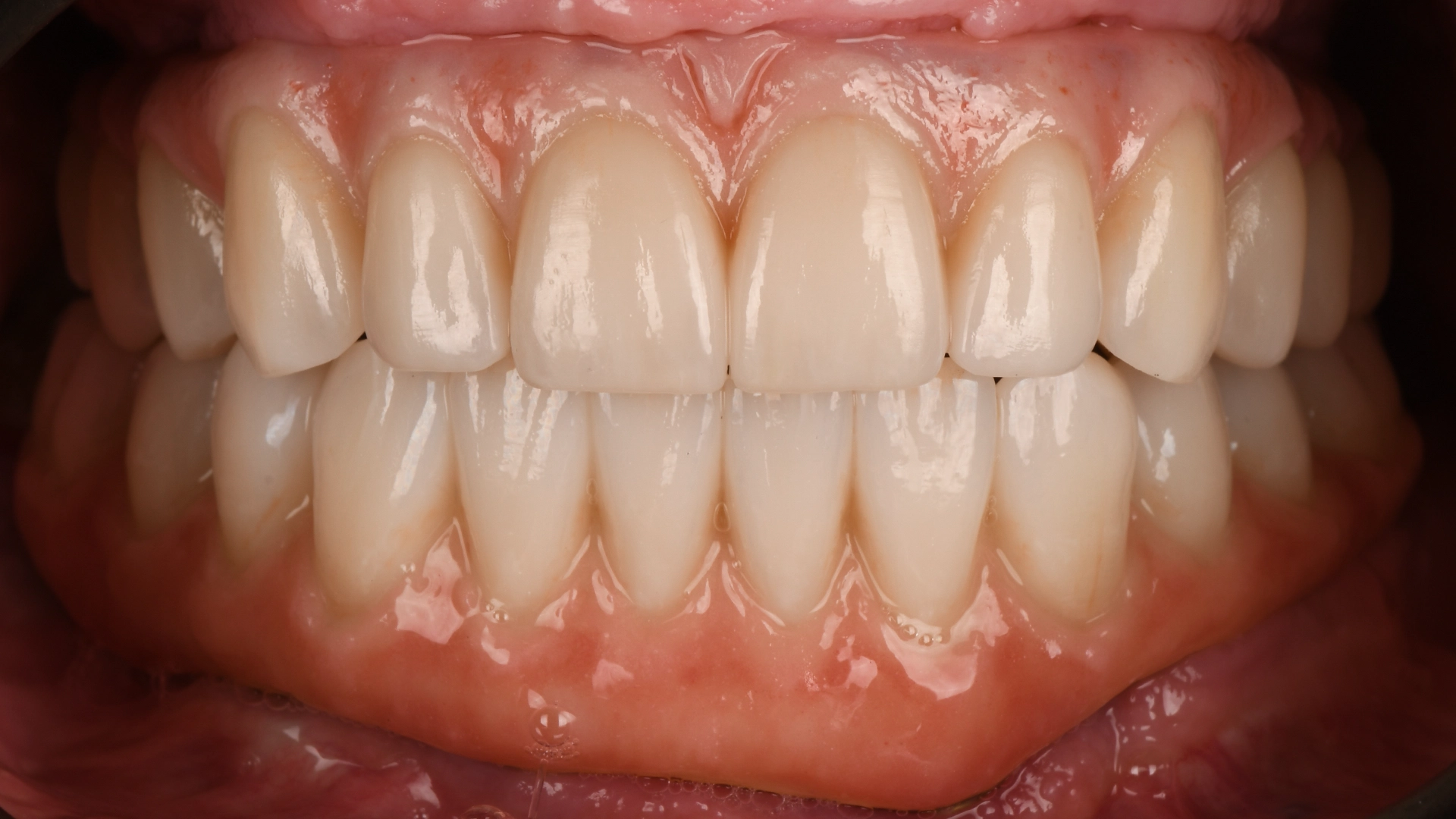
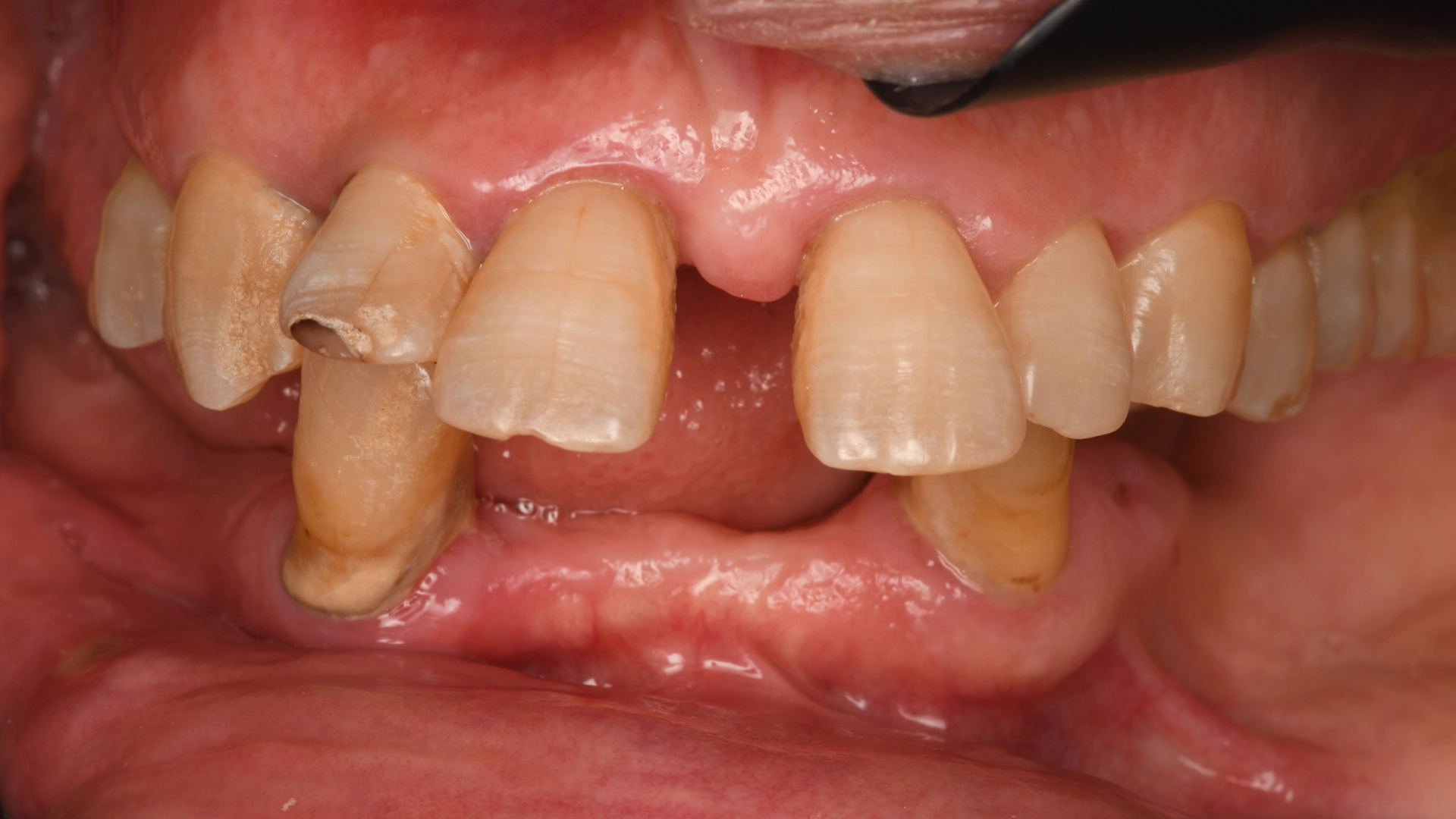
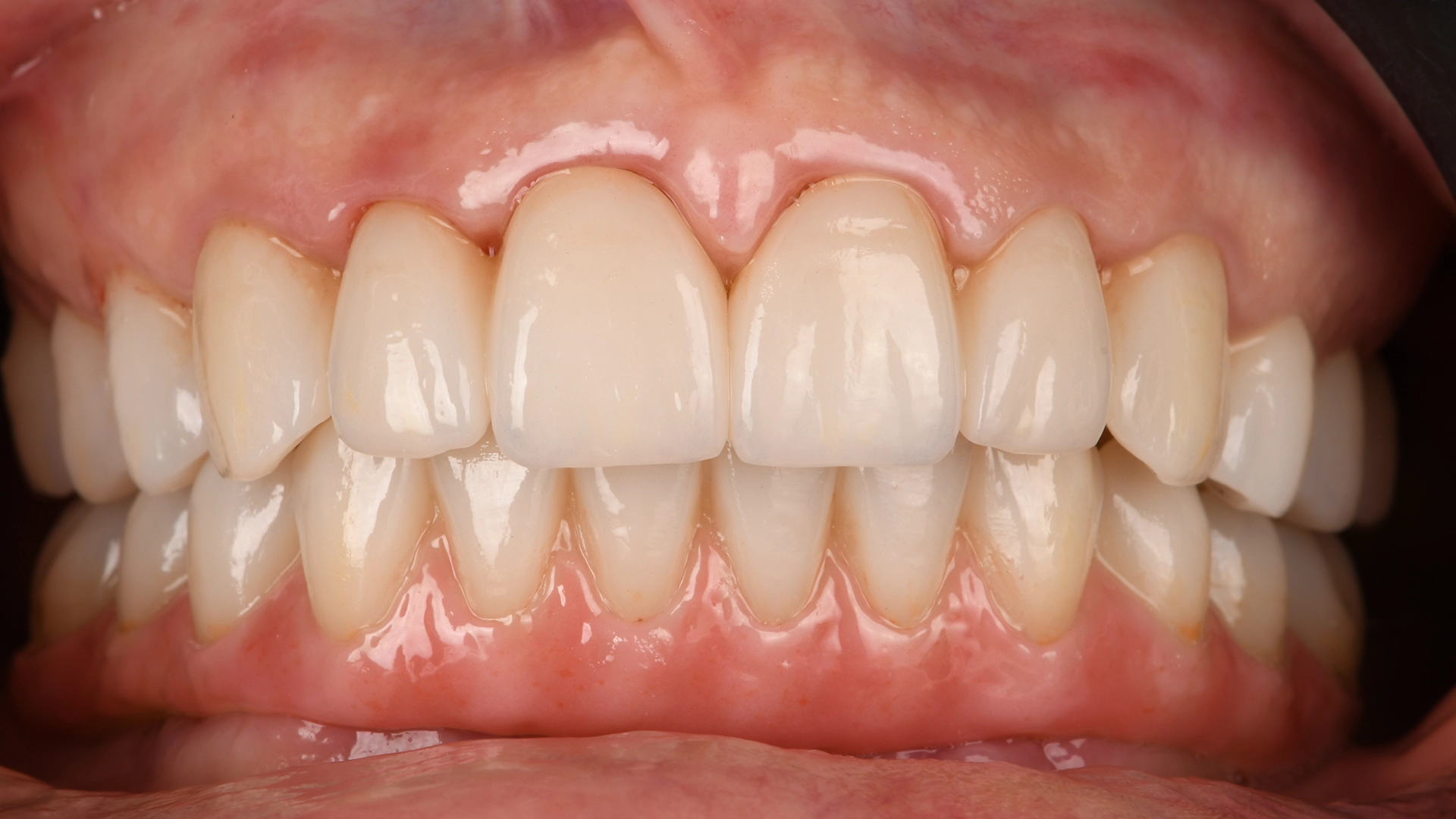
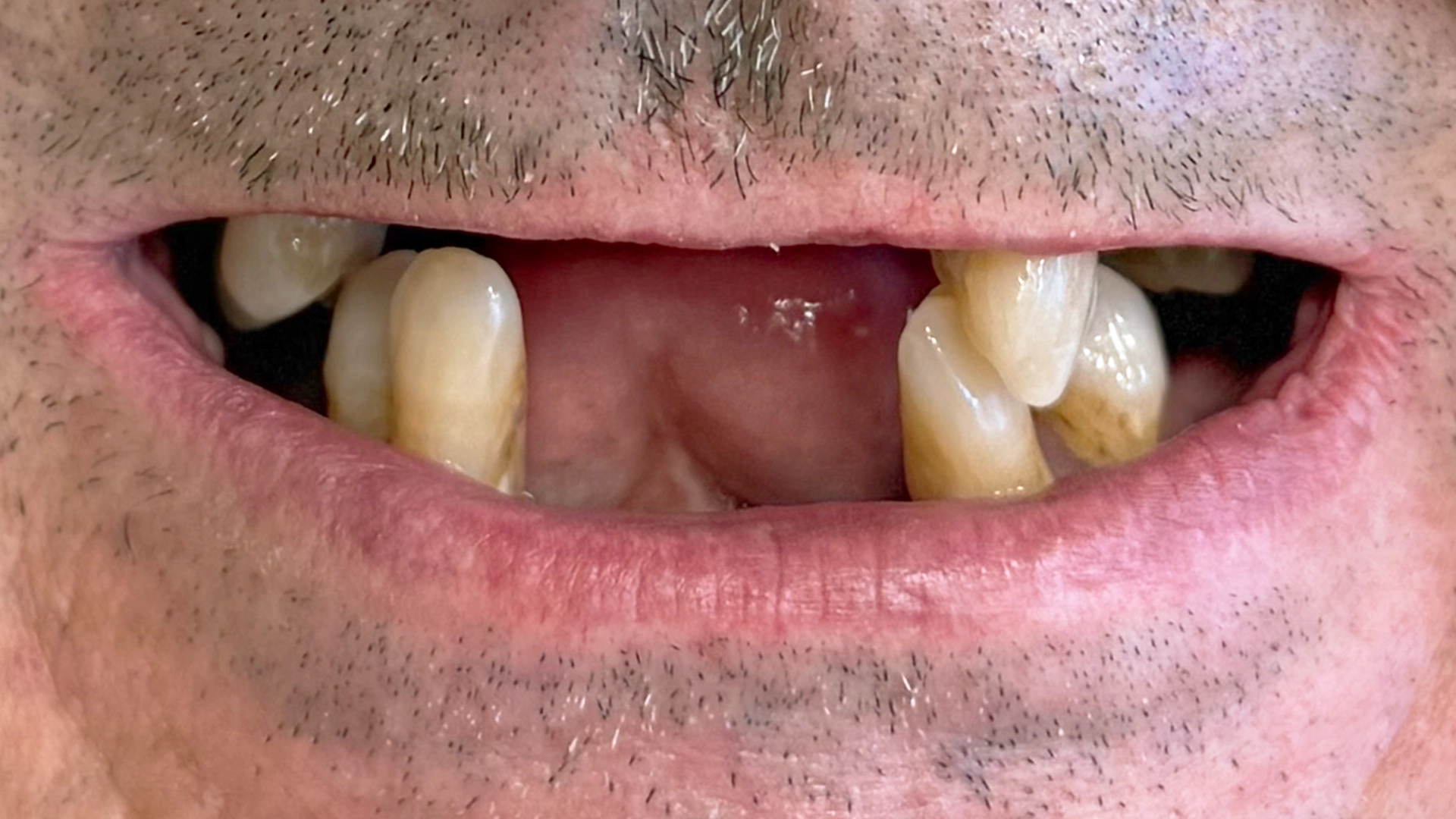
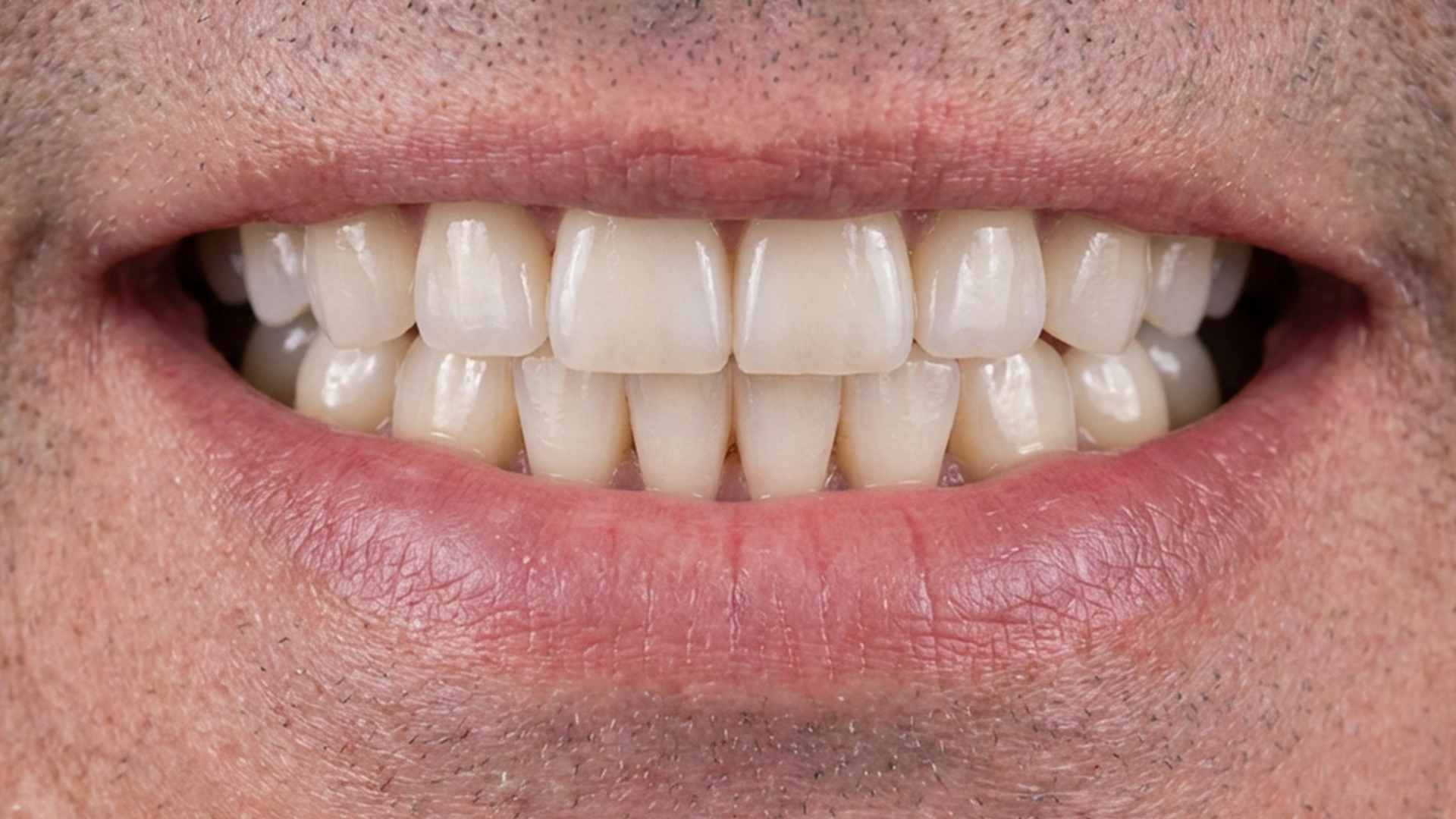
When Is a Dental Implant the Recommended Treatment?
A dental implant may be recommended when a tooth is missing and you want a fixed replacement without relying on neighbouring teeth for support. It can restore chewing function and help replace the appearance of the missing tooth.
However, an implant is not automatically the right choice for every gap. The decision depends on the condition of your mouth, your medical history, the position of the missing tooth, and the available alternatives.
Bone Loss Prevention After Tooth Extraction
The jawbone develops and maintains its structure partly in response to the forces transmitted through tooth roots. After a tooth is extracted, the bone in that area can gradually change in width and height.
A dental implant can transmit chewing forces to the surrounding bone, but implant placement does not guarantee that bone loss will be prevented completely. The amount of change depends on several factors, including the extraction site, healing, and the condition of the surrounding tissues.
If you are planning to replace a tooth, your dentist can assess the site and discuss suitable timing. In some cases, bone grafting may be considered if there is insufficient bone to support an implant in the intended position.
Functional and Structural Consequences of Leaving a Gap Untreated
The effects of a missing tooth vary according to its location, the number of missing teeth, and your existing bite.
A gap may affect chewing efficiency or the way your teeth meet. Over time, neighbouring teeth may shift, and the opposing tooth may move into the space. These changes are not inevitable, but they can complicate future treatment in some cases.
A missing front tooth may have a greater effect on appearance and speech, while a missing back tooth may affect chewing. Some people function comfortably with a gap, while others benefit from replacement.
The key question is whether leaving the space untreated is a reasonable option for your mouth. That decision should consider both your current function and the potential for changes over time.
5 Questions to Discuss with Your Dentist Before Choosing an Implant
An implant decision should be based on more than whether there is a gap to fill. These five questions help you understand the clinical factors that can change your treatment plan, expected results, and total costs.
Question 1: Is There Sufficient Bone Volume to Support an Implant?
An implant needs enough suitable jawbone to support it in the planned position. If the bone is too narrow, too shallow, or otherwise unsuitable, additional treatment may be needed.
Your dentist may use a clinical examination and dental imaging, including a 3D CBCT scan when indicated, to assess bone dimensions and nearby structures such as nerves and sinuses.
If bone grafting is necessary, ask how it may affect your treatment stages, healing time, and overall cost. The goal is not simply to fit an implant into the available bone, but to plan its position around the final replacement tooth and the surrounding anatomy.
Question 2: What Is the Condition of the Adjacent Teeth?
The teeth next to the gap can influence which replacement makes the most sense.
If they are healthy, an implant may offer the advantage of replacing the missing tooth without preparing those teeth to support a bridge. A conventional bridge typically relies on neighbouring teeth, which usually need to be shaped to hold the supporting crowns.
However, if the adjacent teeth already have extensive damage or require crowns, a bridge may be a reasonable alternative.
Your dentist should assess their strength, existing restorations, gum health, and long-term outlook before recommending a treatment.
Question 3: Are There Medical Factors That Affect Implant Success?
Your general health and daily habits can influence healing and the long-term maintenance of an implant.
Factors worth discussing include diabetes control, smoking, certain medications, a history of gum disease, and conditions that may affect healing or bone metabolism. These factors do not automatically rule out implant treatment, but they may change the timing, precautions, or suitability of the procedure.
Tell your dentist about your medical conditions and medications, even if they seem unrelated to your teeth. Good oral hygiene and regular professional maintenance are also important because implants can develop inflammation in the surrounding tissues.
Question 4: What Are the Realistic Long-Term Outcomes for My Case?
Ask what the proposed treatment is expected to achieve and what could affect its long-term performance.
Your dentist should explain the expected appearance, chewing function, treatment stages, healing period, and maintenance requirements. They should also discuss relevant risks, possible complications, and the factors that could affect the result.
An implant can function for many years, but no implant or replacement tooth lasts forever without appropriate care, and no particular lifespan can be guaranteed. The implant itself and the crown it supports are different components, and their maintenance or replacement needs may differ.
A clear treatment plan should distinguish the expected outcome from uncertainties that depend on healing and your individual circumstances.
Question 5: What Alternatives Exist and How Do They Compare?
Ask your dentist to explain all clinically reasonable options, including leaving the gap untreated when appropriate.
A bridge may provide a fixed replacement without implant surgery. A removable partial denture may offer a less invasive way to replace one or more missing teeth. Depending on your oral health, either option may be more suitable than an implant.
Compare the options by looking at more than the initial price. Consider treatment time, effects on neighbouring teeth, comfort, cleaning, future repairs, and long-term maintenance.
The best decision is one you can understand and maintain, with a treatment plan that fits your clinical needs and priorities.
Implant vs. Bridge vs. Partial Denture: A Clinical Comparison
Each option replaces missing teeth differently. The main distinction is how the replacement is supported and what that means for treatment and maintenance.
| Feature | Dental implant | Conventional bridge | Removable partial denture |
|---|---|---|---|
| Support | Implant anchored in the jawbone | Usually supported by neighbouring teeth | Supported by remaining teeth and oral tissues |
| Surgery | Required for implant placement | Usually not required | Usually not required |
| Effect on adjacent teeth | Does not usually require them to be prepared | Often requires preparation of supporting teeth | May use remaining teeth for support |
| Removability | Fixed replacement | Fixed replacement | Removed for cleaning |
| Maintenance | Daily cleaning and professional monitoring | Cleaning around the bridge and supporting teeth | Daily cleaning and periodic assessment |
| Treatment considerations | Bone, healing, health, and surgical suitability | Strength and condition of supporting teeth | Fit, stability, comfort, and remaining teeth |
Longevity, Maintenance, and Effect on Surrounding Teeth
The lifespan of any tooth replacement depends on its design, oral hygiene, biting forces, material, and ongoing care. There is no single lifespan that applies to every implant, bridge, or partial denture.
Implants avoid preparing neighbouring teeth for support, but they still require careful cleaning and monitoring of the gums and surrounding bone. Bridges are fixed and can work well, although the supporting teeth may develop problems that affect the restoration. Partial dentures can replace several teeth, but their fit and stability may need adjustment as the mouth changes.
Ask your dentist which option is likely to be manageable over time and what future maintenance or repairs could involve. This helps you compare the overall commitment, not just the initial treatment cost.
Why Patients in Antwerp Choose VIDENT for Implant Treatment
Choosing implant treatment involves more than selecting a replacement tooth. It requires a plan that accounts for the available bone, surrounding teeth, gum health, bite, and the intended final restoration.
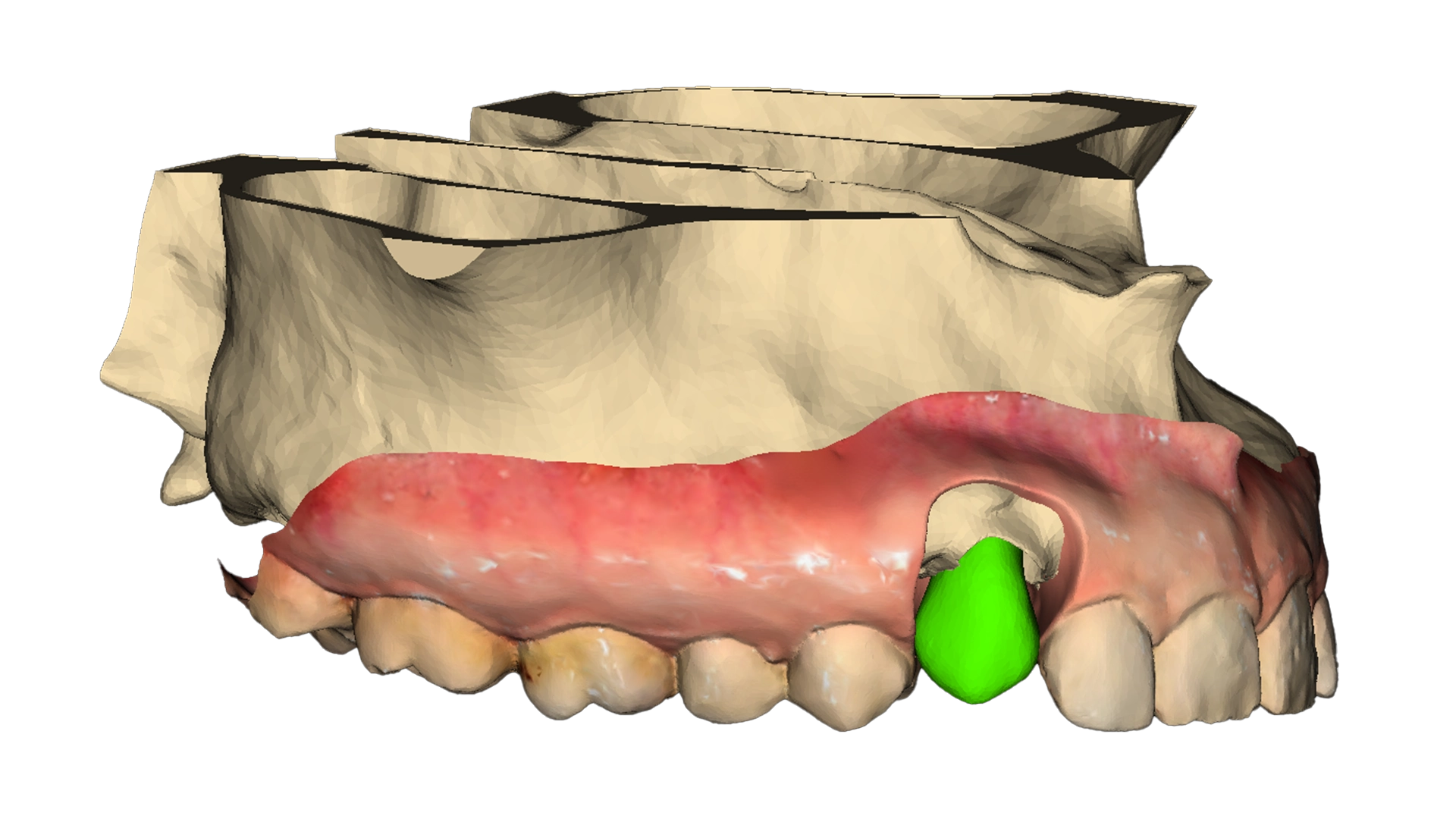
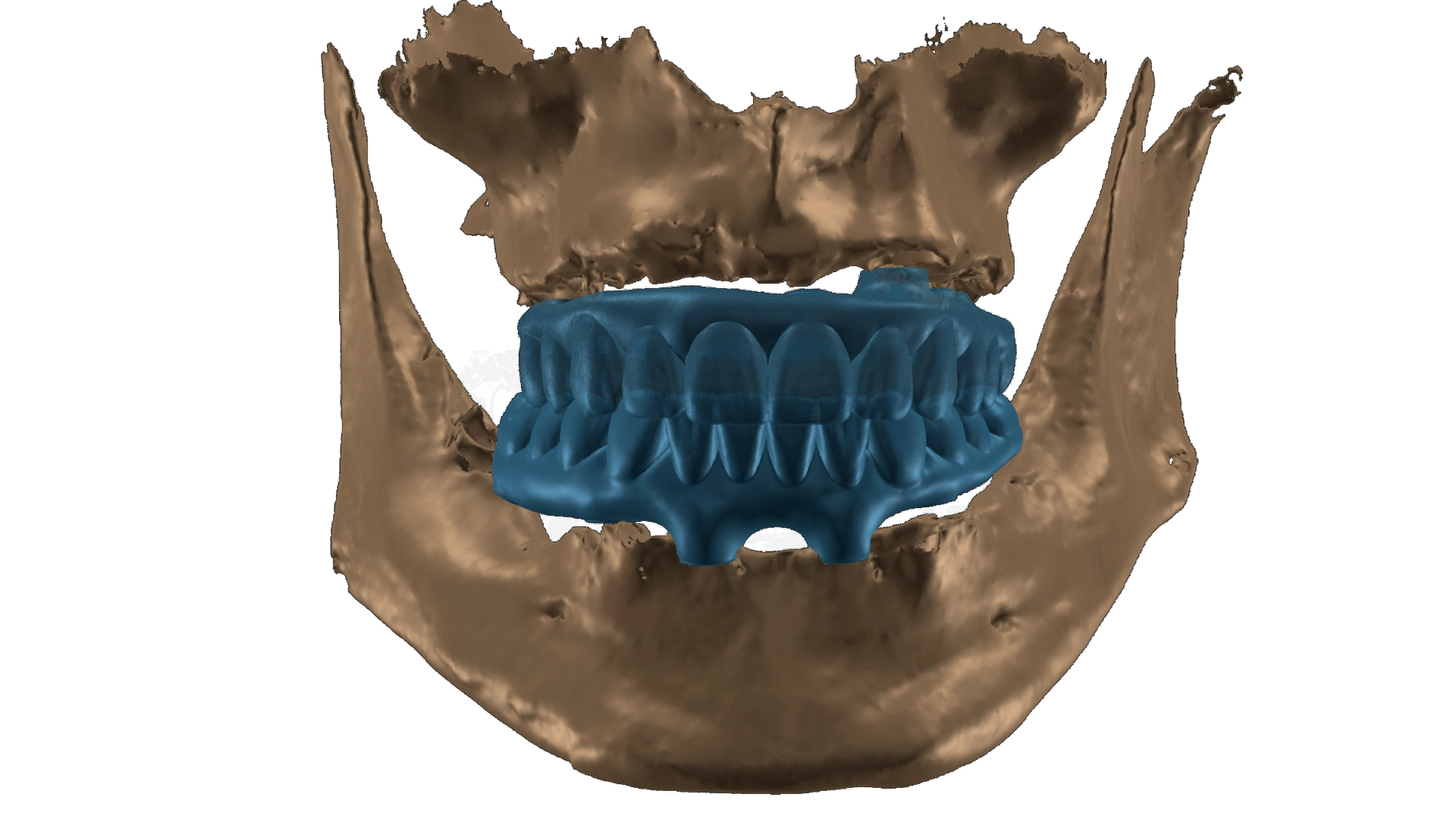
At VIDENT in Antwerp, the implant planning process includes clinical assessment, 3D CBCT imaging, and digital treatment planning. These steps help assess the implant site, identify relevant anatomical structures, and plan the intended position of the replacement tooth.
Multidisciplinary Treatment Planning and Digital Surgical Guidance
Digital planning allows the dental team to assess the proposed implant position in relation to the bone and surrounding anatomy before surgery. When appropriate, a surgical guide can help transfer that plan to the clinical procedure.
The treatment plan should also account for the final crown, including its shape, position, and relationship with neighbouring teeth. This restoration-focused approach helps connect the surgical plan with the functional and aesthetic goals of treatment.
Not every patient needs the same approach. The appropriate method depends on individual anatomy, clinical findings, and the complexity of the case.


Discuss Your Tooth Replacement Options with a Specialist
A missing tooth does not automatically require an implant, and choosing an implant does not guarantee a particular outcome. What matters is understanding your oral health, the available treatments, and the trade-offs involved before making a decision.
Schedule a Clinical Assessment at VIDENT to Determine the Right Approach
At VIDENT in Antwerp, a clinical assessment can help establish whether an implant, bridge, partial denture, or another approach is appropriate for your situation.
You can discuss your bone health, adjacent teeth, medical history, expected treatment stages, maintenance needs, and costs. The aim is to leave with a clearer understanding of your options and a plan based on your individual needs.
Arrange an implant assessment at VIDENT to discuss the available options and decide on the next step with a clear understanding of the clinical considerations.
Arrange an implant assessment at VIDENTFrequently Asked Questions About Dental Implants in Antwerp
1. Do I really need a dental implant if I have a missing tooth?
No, not necessarily. A dental implant is one way to replace a missing tooth, but a dental bridge or removable partial denture may also be suitable. The right option depends on the position of the missing tooth, the condition of your neighbouring teeth, your jawbone health, and your treatment goals. In some cases, leaving the gap untreated may also be considered after assessing the potential effects on chewing, tooth movement, and oral health.
2. What happens if I leave a missing tooth untreated?
The consequences depend on where the tooth is missing and how your remaining teeth fit together. Over time, neighbouring teeth may shift, the opposing tooth may move into the gap, and the jawbone in the area may change following tooth loss. These changes do not occur in every patient, but they can affect chewing and make future treatment more complex. A dental assessment can help determine whether monitoring the gap or replacing the tooth is appropriate.
3. Can I get a dental implant if I have insufficient jawbone?
Possibly. An implant needs enough suitable bone to support it in the planned position. A clinical examination and, when indicated, a 3D CBCT scan can help assess bone volume and nearby anatomical structures. If the available bone is insufficient, bone grafting or another preparatory procedure may be considered. The need for additional treatment depends on your individual anatomy and the proposed implant position.
4. Is a dental implant better than a bridge or a partial denture?
Not in every situation. A dental implant supports a replacement tooth through an artificial root in the jawbone and usually does not require neighbouring teeth to be prepared for support. A conventional bridge is fixed but generally relies on adjacent teeth, while a removable partial denture can replace one or more teeth without implant surgery. Your dentist should compare the options based on oral health, treatment time, cost, maintenance, and the condition of your remaining teeth.
5. How long do dental implants last, and will I need to replace the crown?
Dental implants can function for many years, but their lifespan varies between patients and cannot be guaranteed. Oral hygiene, gum health, smoking, biting forces, and regular professional monitoring all influence long-term maintenance. The implant itself and the crown attached to it are separate components, so their maintenance and replacement needs may differ. Ask your dentist what follow-up care is recommended and which future repairs or replacement costs may apply to your treatment plan.
6. Do medical conditions or smoking affect dental implant treatment?
Yes, they can influence healing and long-term implant health. Factors such as poorly controlled diabetes, smoking, a history of gum disease, certain medications, and conditions affecting bone metabolism may change the risks or treatment plan. These factors do not automatically make implants unsuitable. Your dentist needs to review your medical history, current medications, oral health, and daily habits before determining whether implant treatment is appropriate.
7. How much does a dental implant cost in Antwerp, and what should the price include?
The total cost depends on the complexity of your case and the treatment required. A complete treatment plan may include consultation, diagnostic imaging, implant placement, an abutment connecting the implant to the crown, the final crown, and any necessary additional procedures. Bone grafting, temporary restorations, and follow-up care may affect the overall cost. When comparing implant prices in Antwerp, ask for a written breakdown that distinguishes included treatment from possible additional expenses.
8. Can I visit VIDENT in Antwerp for a dental implant consultation if I live in a nearby area?
Yes. VIDENT is located in Antwerp and can assess patients who are considering dental implant treatment, including those travelling from nearby areas such as Berchem, Borgerhout, Deurne, Wilrijk, Merksem, Mortsel, Edegem, Brasschaat, and Schoten. If you live in one of these areas and have a missing tooth, a clinical assessment can help you understand whether an implant, bridge, or removable partial denture may be suitable. Contact VIDENT to discuss your situation and arrange an assessment in Antwerp.